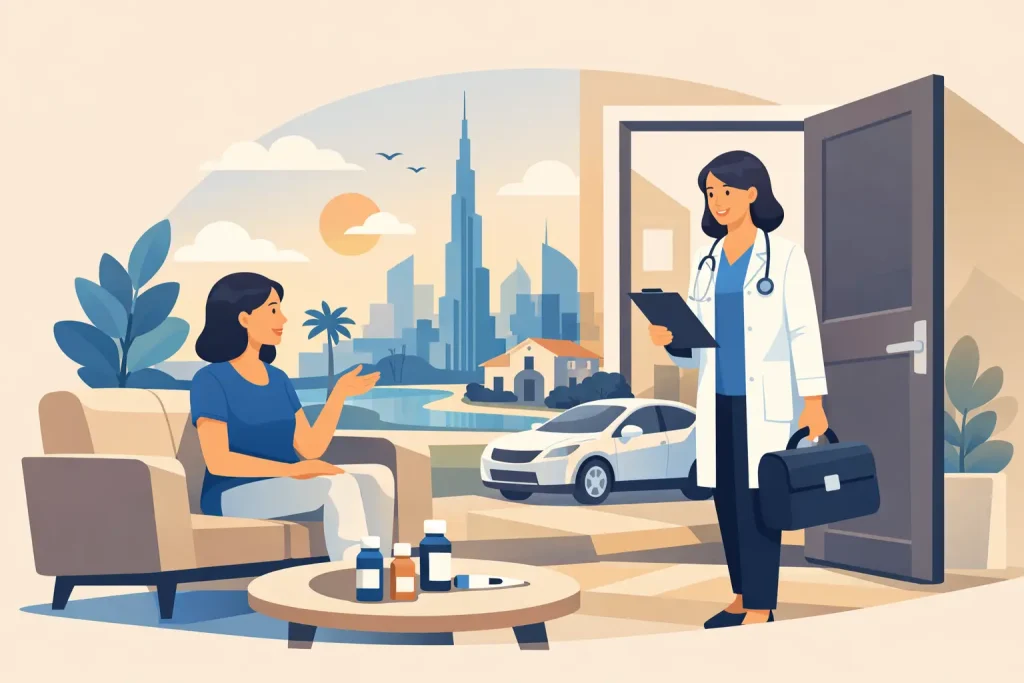
A fever spikes at bedtime. Your child is uncomfortable, your parent is too weak to travel, or you are recovering from treatment and the idea of sitting in a waiting room feels like the worst possible plan. This is exactly when a doctor on call at home becomes more than a convenience. It becomes the most practical way to get timely medical attention without leaving the place where the patient feels safest.
For many families in Dubai, home medical visits are no longer a backup option. They are a smart first step when symptoms need prompt assessment, but the situation does not clearly require an emergency room. The value is simple – a licensed physician comes to you, evaluates the patient in person, and recommends treatment based on the condition, the setting, and what needs to happen next.
What a doctor on call at home actually helps with
Home doctor visits are useful in more situations than people expect. They are often requested for flu symptoms, fever, sore throat, cough, body aches, stomach pain, vomiting, dehydration, migraines, minor infections, fatigue, and general weakness. They also make sense for elderly patients who have mobility limits, children who are more comfortable being examined at home, and adults who need medical guidance quickly but cannot spare hours for a clinic visit.
There is also a practical side that matters to busy households. One visit can reduce the stress of arranging transport, managing long waits, and exposing a sick family member to a crowded medical setting. For patients who feel worse when moved, that difference is significant.
That said, not every issue should be handled at home. Severe chest pain, sudden trouble breathing, stroke symptoms, major bleeding, loss of consciousness, or other life-threatening emergencies need immediate emergency care. A responsible home healthcare provider should make that distinction clear.
Why families choose doctor on call at home services
Most people are not looking for novelty. They are looking for fast, trustworthy care that fits real life. A home visit answers that need because it combines clinical judgment with comfort and speed.
The first advantage is responsiveness. When symptoms begin suddenly, waiting until the next day is not always ideal. A service that can dispatch quickly gives families clarity sooner. That matters whether the issue turns out to be simple viral illness, an infection that needs treatment, or a condition that requires referral for higher-level care.
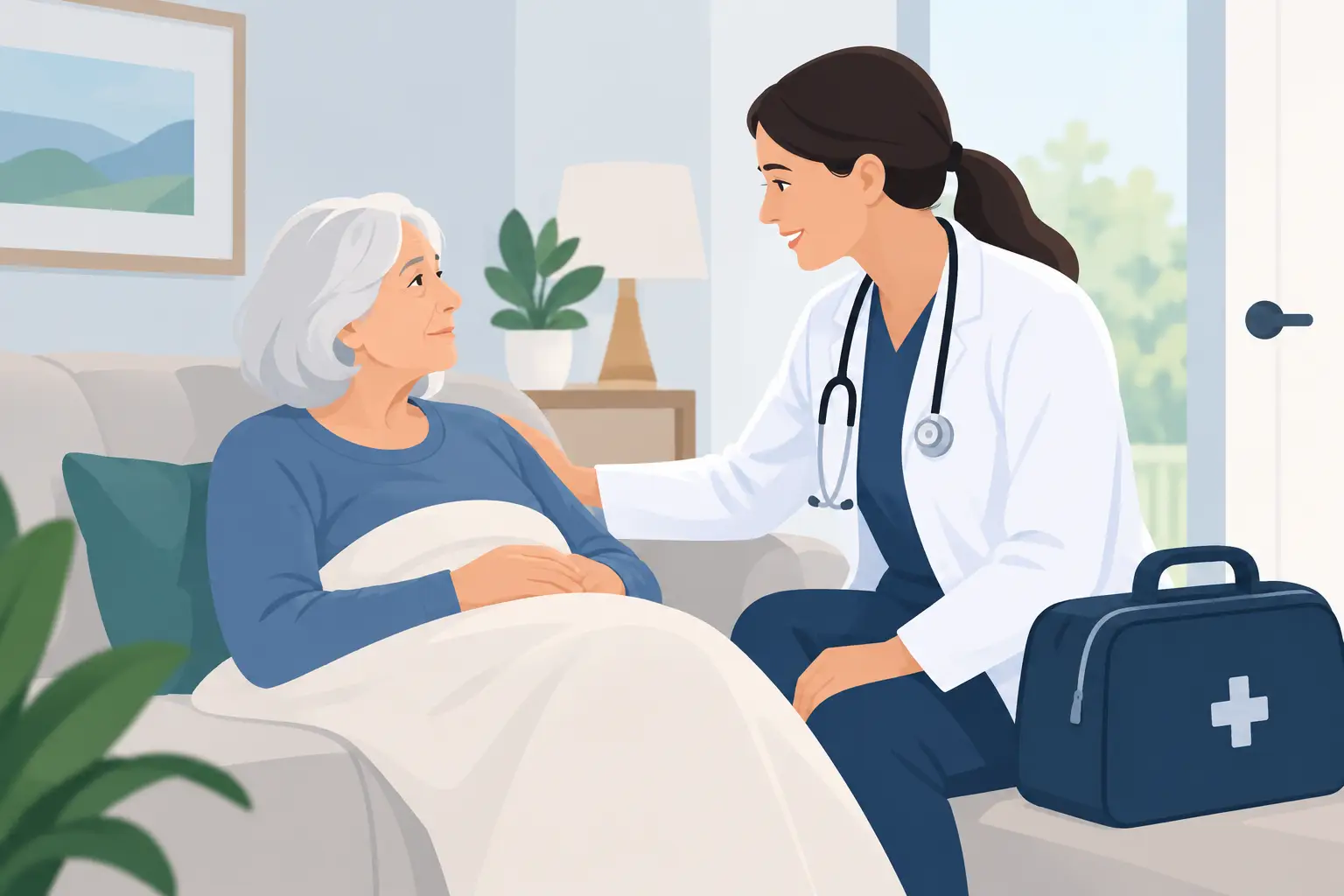
The second advantage is the home environment itself. Patients often communicate better when they are comfortable. Young children are less distressed. Older adults are easier to assess in the context of how they actually live. For post-treatment and recovery cases, seeing the patient at home can also help the physician understand what support they need beyond the immediate complaint.
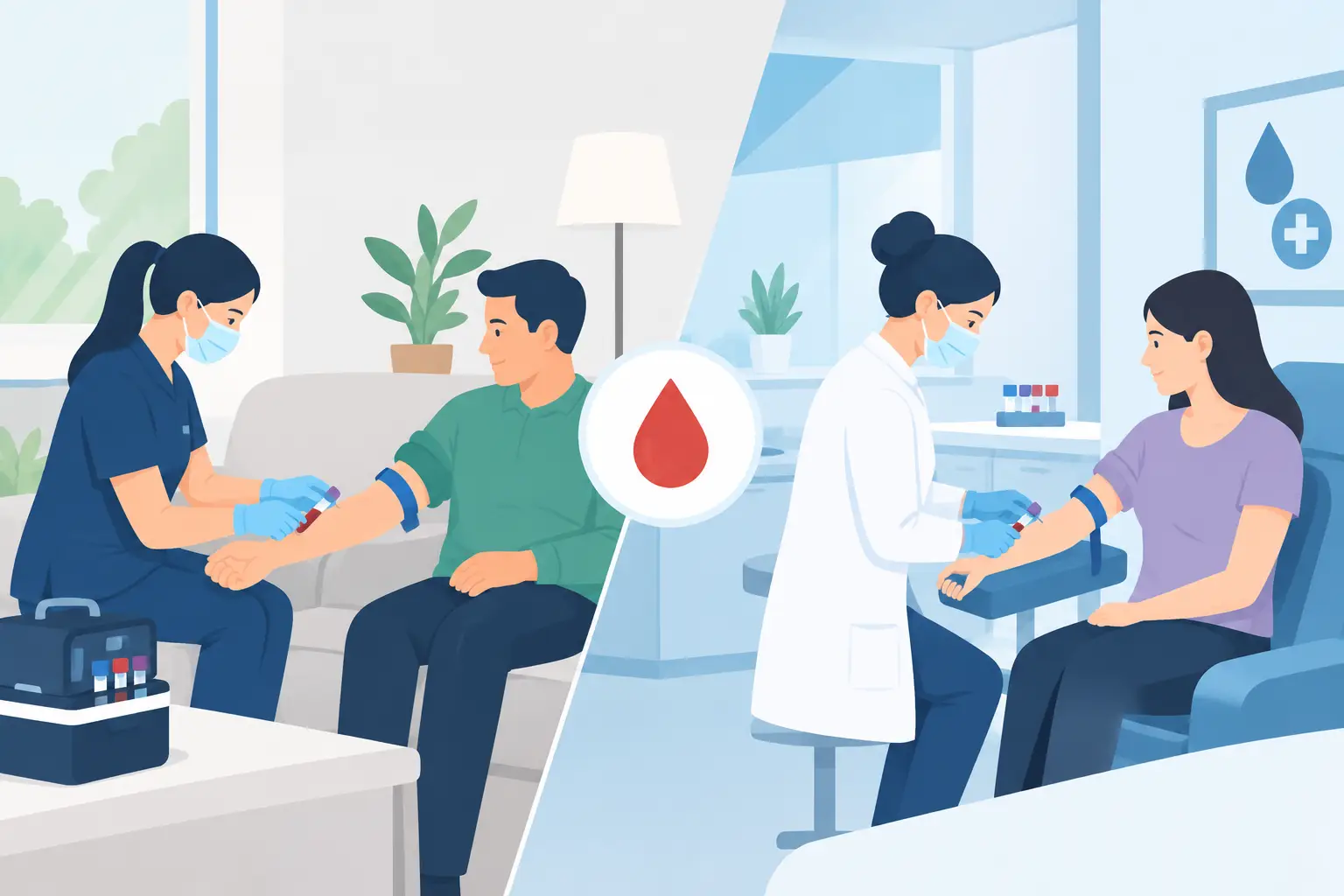
The third advantage is continuity. A doctor visit at home can connect naturally with other in-home services if needed, such as nurse support, IV therapy, lab testing, wound care, rehabilitation, or elderly care. Instead of sending the family in multiple directions, the care plan can stay organized around the patient.
When a home doctor visit makes the most sense
Some situations are especially well suited for this model. If a child has a high fever late at night but is stable, parents often want a physician assessment without taking an exhausted child out of bed. If an older family member has dizziness, weakness, or a suspected infection, getting evaluated at home may be safer than navigating transport.
It also makes sense for people who recently had surgery or treatment and need a physician to review symptoms, pain levels, recovery progress, or medication concerns. Busy professionals use home visits for a different reason – they want proper medical care without losing half a day to travel and waiting.
There is an important trade-off here. Home visits are excellent for assessment, treatment planning, and many common non-emergency problems, but they do not replace a hospital in cases that need imaging, advanced procedures, or immediate acute intervention. Good care means knowing when home treatment is enough and when escalation is the safer choice.
What to expect during a doctor on call at home visit
The process should feel clear, not complicated. In most cases, the patient or family shares symptoms, location, and urgency when booking. Once the physician arrives, the visit begins much like a clinic consultation, but with the added benefit of being tailored to the home setting.
The doctor reviews the medical history, listens to current concerns, checks vital signs, and performs a focused physical examination. Based on the findings, the physician may diagnose the issue, prescribe medication, recommend supportive treatment, request lab testing at home, or advise a transfer to a hospital if needed.
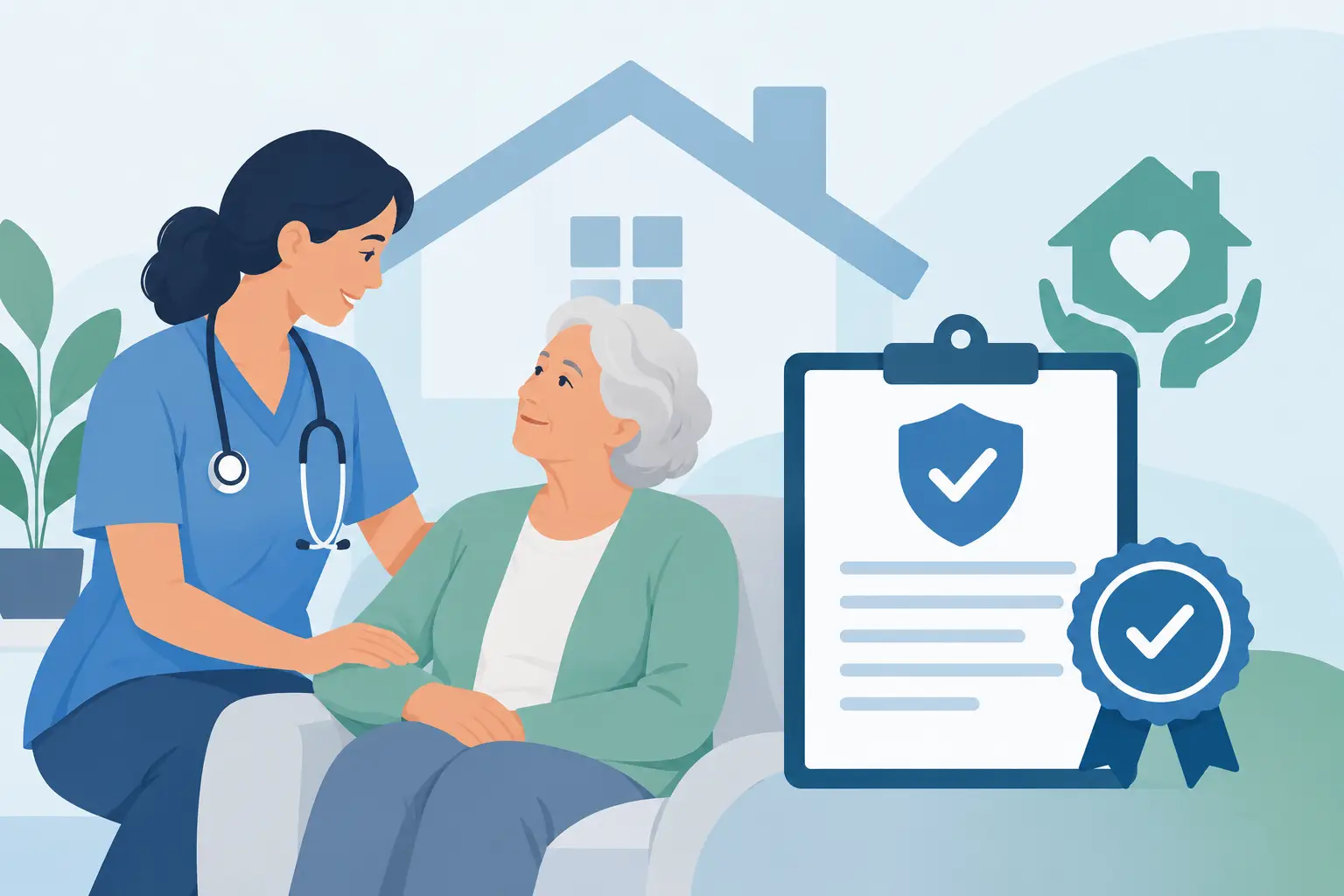
This is where professional standards matter. A home visit should never feel improvised. Patients should expect licensed, DHA-certified clinicians, proper hygiene protocols, careful documentation, and treatment decisions grounded in evidence-based practice.
If follow-up care is needed, the next steps should also be simple. That may mean arranging a nurse visit, scheduling another doctor review, starting physiotherapy after injury or surgery, or organizing home-based monitoring for an elderly relative.
Choosing the right provider in Dubai
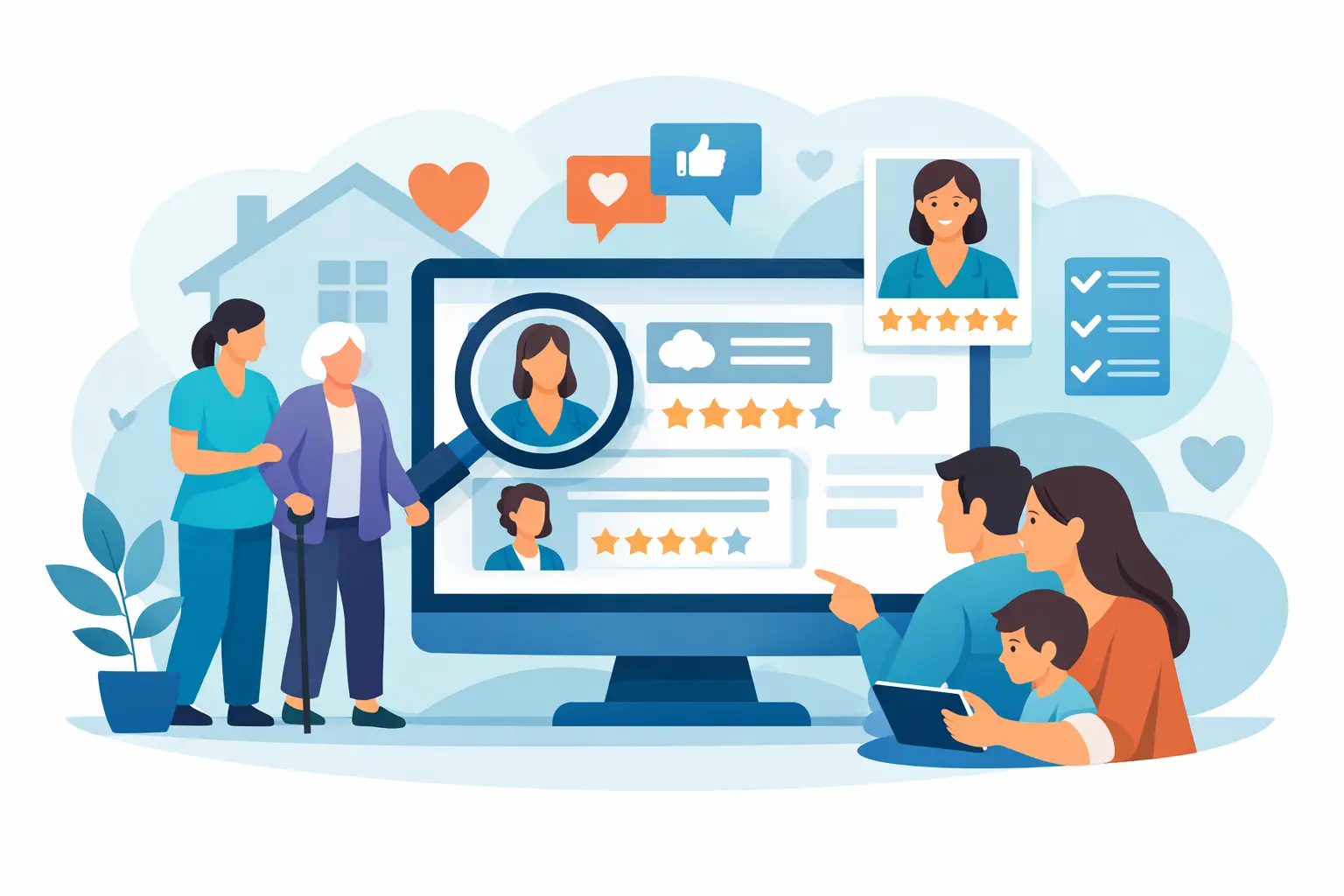
Not all home healthcare services operate at the same standard, and when you are booking care for someone vulnerable, details matter. Speed is important, but speed alone is not enough. Families should look for a provider that combines quick response with licensed medical oversight and clear communication.
Ask practical questions. Are the doctors properly certified? Is the service available 24/7? How quickly can the team reach your area? Can they coordinate additional services if the patient needs nursing support, diagnostics, or rehabilitation? Do they explain clearly when a case should be seen in a hospital instead?
A dependable provider should make the experience feel reassuring from the first call. That includes professional triage, transparent expectations, and respectful care once the clinician arrives. In home healthcare, trust is built through both competence and bedside manner.
For households that want one point of contact for broader home medical support, it helps to choose a provider with an integrated care model. Your Choice Healthcare is one example of this approach, combining physician visits with nursing, therapy, and home diagnostics so families can arrange care around the patient rather than around the limitations of the system.
Who benefits most from doctor on call at home care
Families with children often benefit because timing matters and illnesses rarely follow office hours. Elderly patients benefit because avoiding transport can reduce physical strain and confusion. Post-surgery patients benefit because recovery tends to go more smoothly when medical review is accessible. New mothers and households with newborns benefit because minimizing unnecessary outings can make a difficult week feel manageable.
There is also a broader shift behind this demand. More people now expect healthcare to be responsive, personalized, and easier to access. That does not mean lowering standards. It means bringing proper clinical care into the setting where patients are most comfortable, while keeping safety and medical judgment at the center.
Doctor on call at home is about more than convenience
Convenience gets attention, but the deeper value is timely decision-making. A physician at home can tell a family whether they can safely manage symptoms there, whether treatment should begin right away, or whether the patient needs escalation. That kind of clarity reduces anxiety and helps people act sooner.
It also supports a more personal kind of care. When the doctor sees the patient in their own space, the visit often feels less rushed and more practical. Questions get answered in context. Caregivers can be present. Instructions are easier to understand because they relate directly to the patient’s day-to-day setting.
For many people in Dubai, that is what modern healthcare should look like – prompt, licensed, compassionate, and built around the patient rather than the waiting room.
When someone at home needs medical attention, the best next step is not always the nearest clinic. Sometimes it is the right doctor, arriving at the right door, at the right time.