A child develops a high fever late at night. An elderly parent becomes dizzy after a medication change. You are recovering from surgery and pain suddenly feels harder to manage. In situations like these, the ability to request urgent medical housecall support can bring qualified care to your door without the stress of getting an unwell person into a car or sitting in a crowded waiting room.
For many non-life-threatening concerns, an urgent doctor visit at home offers a practical, reassuring next step. A licensed clinician can assess symptoms, review relevant medical history and medications, provide appropriate treatment, and advise whether further testing or hospital care is needed. The key is knowing when home care is appropriate and when every minute calls for emergency services instead.
When to Request an Urgent Medical Housecall
An urgent housecall is designed for symptoms that need prompt clinical attention but do not appear to be immediately life-threatening. It can be especially helpful for families with young children, older adults with limited mobility, post-treatment patients, and busy professionals who need timely medical guidance at home.
Common reasons to request a doctor on call include fever, flu-like symptoms, sore throat, ear pain, dehydration concerns, vomiting or diarrhea, urinary symptoms, skin rashes, allergies, minor injuries, migraine, back pain, or a worsening cough. It can also be appropriate when a patient needs a medication review, follow-up assessment, or help managing symptoms after a recent procedure or hospital discharge.
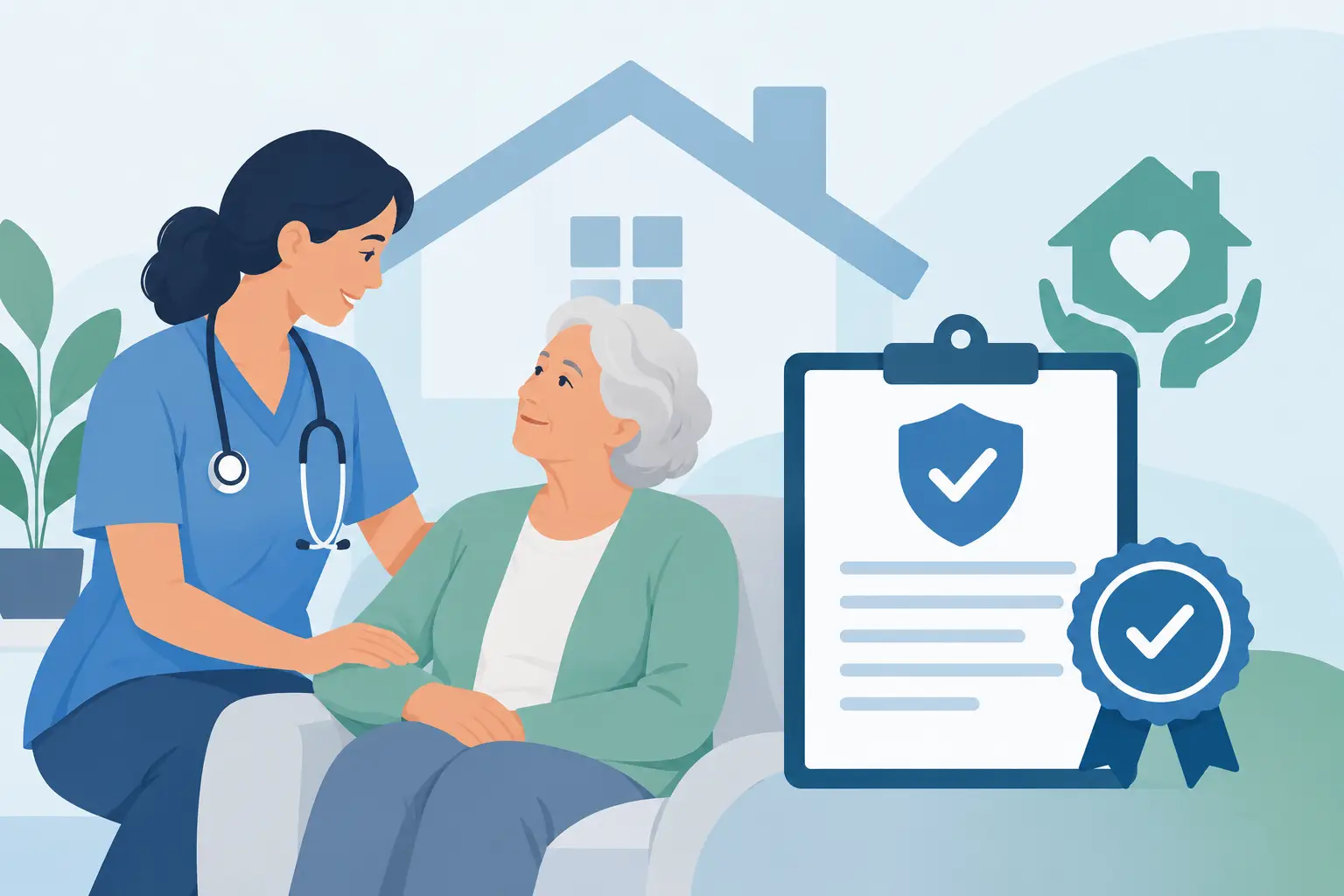
Home visits are not only about convenience. For someone who is weak, in pain, contagious, or anxious about traveling, being assessed in a familiar setting can make care feel more manageable. The clinician also gains useful context by seeing the patient at home, particularly when supporting elderly patients or those with ongoing care needs.
Situations that may benefit from a same-day visit
A same-day housecall can be a sensible option when symptoms are persistent, uncomfortable, or getting worse, but the patient is alert and stable. For example, a child with a fever who is drinking fluids but needs examination, an adult with a painful suspected infection, or an older person with new fatigue and reduced appetite may all benefit from prompt assessment.
It depends on the individual’s age, medical conditions, symptom severity, and how quickly the problem has changed. When booking, provide a clear description of the symptoms, when they began, any temperature readings, known allergies, current medications, and relevant diagnoses. Accurate information helps the care team prioritize the visit and prepare appropriately.
When Home Care Is Not the Right Choice
A medical housecall should never delay emergency treatment. Call emergency services immediately if someone has chest pain, severe trouble breathing, signs of stroke such as facial drooping or slurred speech, seizures, loss of consciousness, severe bleeding, a major injury, or sudden confusion.
Emergency care is also the safer choice for severe allergic reactions with swelling of the face or throat, blue lips, suspected poisoning, severe burns, or thoughts of self-harm. For infants, especially very young babies, parents should seek urgent emergency guidance for breathing difficulty, unusual lethargy, poor feeding, or a fever that requires immediate assessment.
If you are unsure, choose the safer route. A home healthcare provider can help guide non-emergency requests, but emergency departments and ambulance services are equipped for conditions that may require imaging, surgery, advanced monitoring, or immediate resuscitation.
What Happens During an Urgent Doctor Visit at Home
Once you request an urgent medical housecall, the booking team will generally ask focused questions to understand the patient’s condition and location. Share the patient’s full name, age, symptoms, contact number, building access details, and any important health information. If the patient has insurance documents, medical reports, or a medication list available, keep them nearby.
On arrival, the physician will begin with a clinical assessment. This may include checking vital signs such as temperature, blood pressure, heart rate, oxygen level, and blood glucose when appropriate. The doctor will discuss symptoms, examine the patient, and consider whether treatment can be safely provided at home or whether referral is needed.
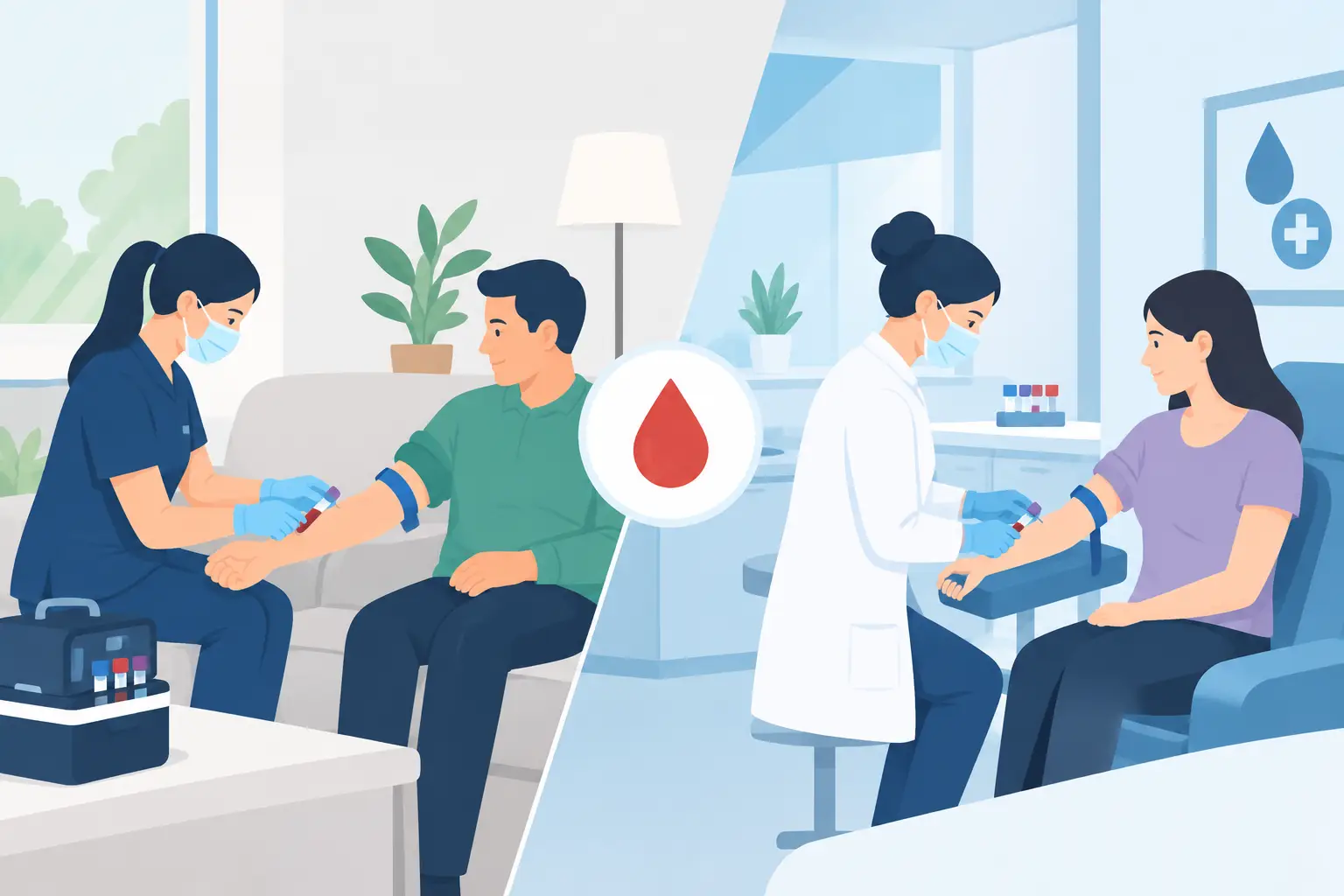
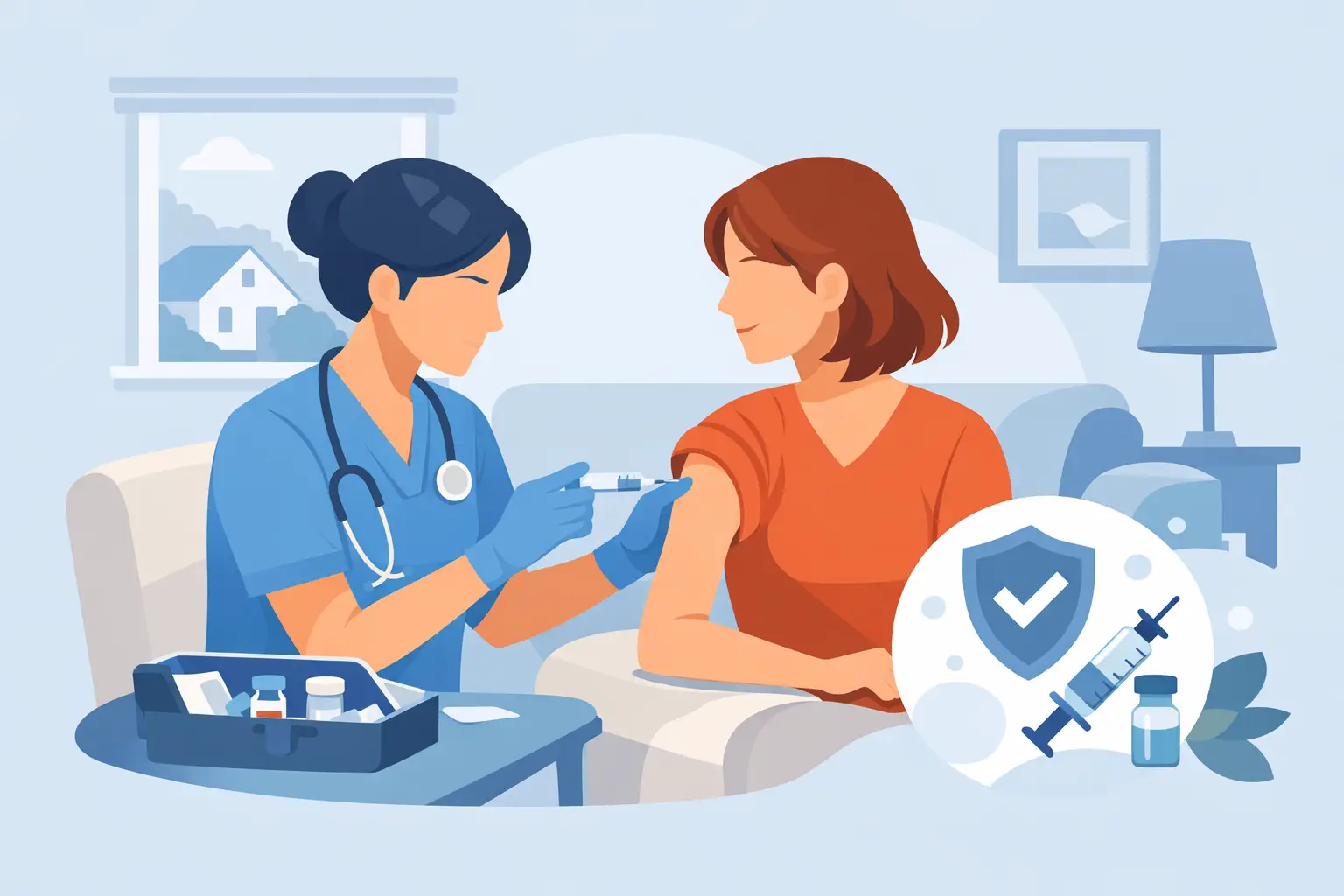
Depending on the concern, care may involve a prescription, symptom-relief treatment, wound care, or recommendations for rest, hydration, monitoring, and follow-up. Some patients may need additional at-home services, such as lab testing, IV therapy, nursing care, physiotherapy, or regular elderly care support. A responsible clinician will explain the plan in plain language and tell you which changes in symptoms require urgent escalation.
How to Prepare Before the Doctor Arrives
You do not need to turn your home into a clinic. A calm, well-lit space and a few basic details are usually enough. Keep the patient’s identification, previous medical reports, discharge papers if applicable, and all current medications together. If you have recorded a fever, blood pressure, blood sugar, or oxygen reading, note the time and result.
Make sure the doctor can reach the patient comfortably. Clear a path to the room, arrange seating if needed, and have a responsible adult present for a child, an elderly patient, or anyone who may have trouble communicating. If the patient has symptoms that could be infectious, mention this during booking so the visit can be planned with appropriate precautions.
It is also useful to write down your questions beforehand. Families often remember important details after the visit has ended, particularly when they are worried or tired. Ask what diagnosis is being considered, how medications should be taken, what improvement should look like, and exactly when to seek more urgent help.
Choosing a Home Healthcare Provider in Dubai
Urgency should not mean compromising on safety. Look for a provider that clearly communicates its availability, response process, clinical credentials, and scope of services. The right provider should send experienced, properly licensed healthcare professionals and give transparent guidance if a home visit is not clinically appropriate.
Speed matters, but it is only one part of good care. Response times can vary with traffic, location, weather, clinician availability, and the complexity of the request. Ask when the clinician is expected to arrive and what you should do while waiting. If symptoms worsen at any point, do not wait for the housecall – contact emergency services.
Your Choice Healthcare provides doctor on call visits and a wider range of medically supervised home healthcare services in Dubai, including nursing support, mobile lab testing, therapy, and recovery care. This can be valuable when an urgent visit is the first step in a longer care plan rather than a one-time appointment.
A Faster Path to Reassurance, With the Right Safety Net
When someone you care about is unwell, the goal is not simply to avoid a clinic visit. It is to get the right level of care without unnecessary delay. An urgent housecall can offer prompt assessment, professional guidance, and comfort at home for many common concerns.
Trust your instincts, share symptoms honestly, and keep emergency warning signs in mind. A timely call for qualified help can turn a stressful evening into a clear, supported plan for what comes next.