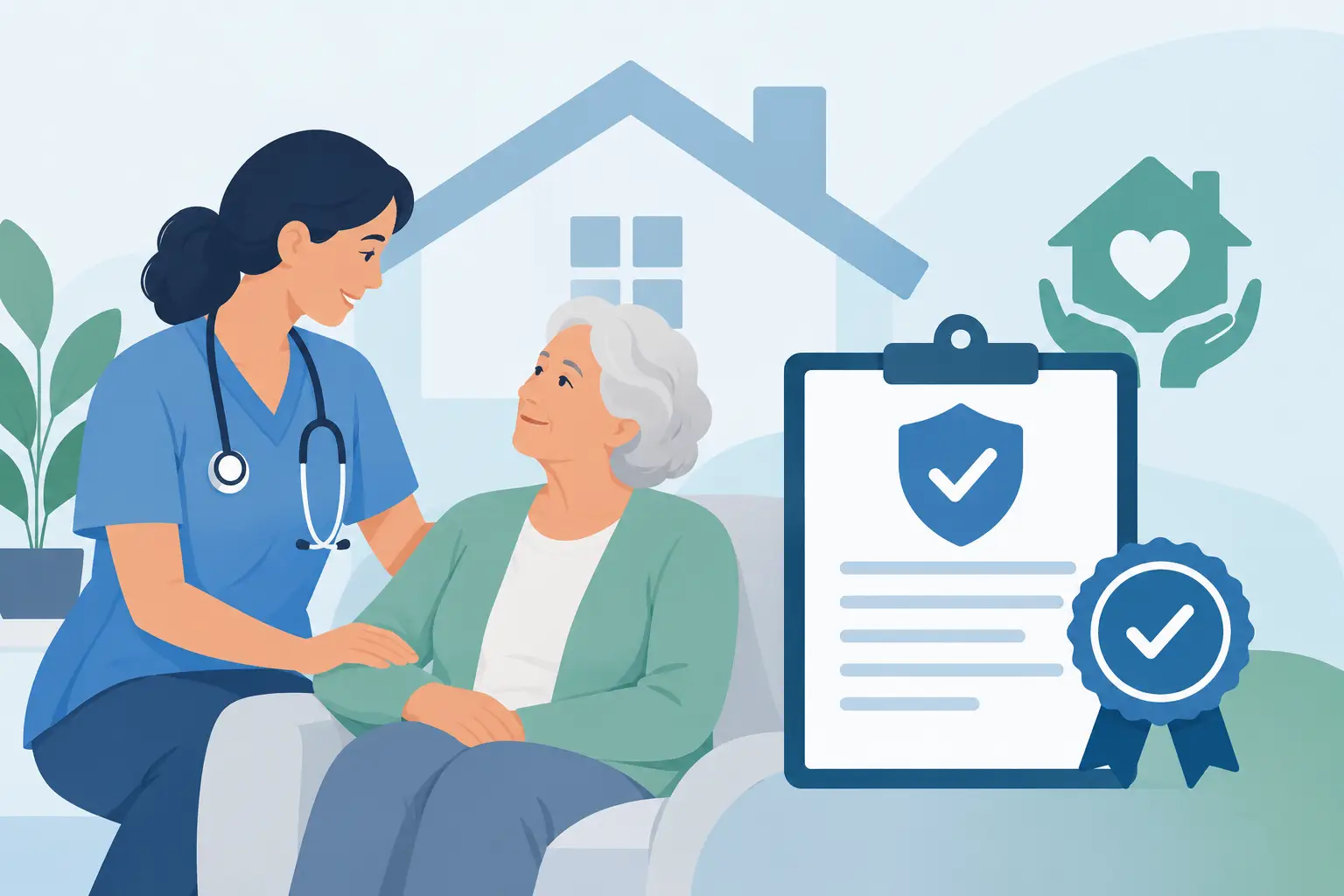
A missed medication, an unsteady walk to the bathroom, or a sudden change in appetite can turn a normal day into a source of worry for families. Elderly care at home gives seniors the support they need in familiar surroundings while helping relatives stay informed, prepared, and less overwhelmed.
For many families in Dubai, home-based support is not only about convenience. It is about protecting a loved one’s routine, dignity, and independence without compromising on professional medical attention. The right care plan can combine practical daily assistance with nursing oversight, rehabilitation, and physician visits when needed.
What Elderly Care at Home Can Include
Home care should never be a one-size-fits-all service. One senior may need a nurse to monitor a chronic condition after a hospital discharge, while another may need help with mobility, personal hygiene, meals, or medication reminders. Care should begin with an understanding of the person, not simply a list of tasks.
Depending on the senior’s needs, elderly care at home may include regular health monitoring, medication management, wound care, injections, mobility support, assistance with personal care, and post-surgery recovery. Families may also arrange doctor-on-call visits, home physiotherapy, speech therapy, IV therapy where clinically appropriate, or lab testing at home. Bringing these services together can reduce the need for repeated clinic visits, especially when travel is tiring or difficult.
The goal is not to take control away from an older adult. Good care helps them continue doing what they safely can, while providing support where it is genuinely needed. That balance matters. Too little help can increase the risk of falls, missed medication, dehydration, or delayed treatment. Too much unnecessary intervention can make a senior feel less independent.
When Your Family May Need More Support at Home
A major health event is an obvious reason to arrange care, but the early signs are often quieter. A parent who was once organized may begin missing doses of medication. They may stop preparing meals, avoid stairs, become unusually withdrawn, or need longer to recover from minor illnesses. These changes do not always mean a crisis, but they do deserve attention.
Home support can be particularly valuable after surgery, hospitalization, a stroke, or a new diagnosis such as diabetes, heart disease, dementia, or Parkinson’s disease. In these situations, the family often needs more than reassurance. They need clear observation, reliable follow-up, and professionals who can recognize changes before they become more serious.
It can also be the right option when the main caregiver is stretched thin. Many adult children are balancing work, parenting, and care responsibilities across different parts of Dubai or from abroad. Professional support does not replace family involvement. It gives the family a stronger care structure and helps prevent caregiver exhaustion.
Care Needs Can Change Quickly
A care plan that worked last month may not work after a fall, an infection, a medication adjustment, or a hospital stay. Regular review is essential. A senior who initially needs short nursing visits may later benefit from physiotherapy or more frequent monitoring. Conversely, someone recovering well may need less hands-on support over time.
Ask the care provider how changes in condition are communicated, who contacts the family, and what happens outside standard hours. Clear answers are a sign of organized, patient-centered care.
Choosing a Home Care Provider in Dubai
Inviting a healthcare professional into your home requires trust. Families should look beyond availability and price alone. Clinical qualifications, communication standards, and the provider’s ability to coordinate care all affect the experience and the senior’s safety.
Start by confirming that the professionals involved are properly licensed and that the service follows Dubai Health Authority requirements. For clinical needs, ask whether care is delivered or supervised by DHA-certified physicians, nurses, and therapists. Experience with the senior’s specific condition is also relevant. Post-operative wound care, dementia support, diabetes monitoring, and stroke rehabilitation each require different skills.
It is equally useful to understand the practical details before care begins. Discuss visit frequency, expected arrival windows, what is included in each visit, and how medications or care notes are documented. Families should know who to call if symptoms worsen and whether urgent visits can be arranged. A provider that offers 24/7 support and a rapid response option can be especially helpful when needs cannot wait for the next scheduled appointment.
Communication should feel simple, not clinical or confusing. The best care teams explain what they are observing, what actions are being taken, and what family members should watch for between visits. If several relatives share responsibilities, agree on one primary contact person so updates remain consistent.
Creating a Safer, More Comfortable Home
Professional care is most effective when the home itself supports safe movement and daily routines. Small changes can prevent major setbacks. Clear walking paths, secure rugs, good lighting, non-slip bathroom surfaces, and easily reachable essentials can all lower the risk of falls.
Medication deserves special attention. Seniors who take multiple prescriptions may become confused by similar packaging, changing schedules, or instructions from different specialists. A qualified nurse can help organize administration, monitor for concerns, and flag questions that require a physician’s input. Family members should avoid changing doses or stopping medications without medical advice, even when a senior seems better.
Nutrition and hydration also need regular attention. Appetite can decline after illness, during periods of low mood, or because of difficulty chewing and swallowing. A nurse or physician can identify when reduced intake may signal a medical issue rather than simple preference. For seniors with swallowing difficulties, speech therapy may be part of a safer care plan.
Emotional well-being belongs in the plan too. Loneliness can affect sleep, appetite, motivation, and recovery. Care visits offer practical support, but they also create routine human connection. Families can help by involving the senior in decisions, maintaining familiar activities where possible, and making room for social contact that feels meaningful to them.
Understanding the Difference Between Routine and Urgent Care
Home healthcare can manage many non-emergency needs, but families should know when immediate emergency services are necessary. Severe chest pain, sudden weakness or facial drooping, difficulty breathing, loss of consciousness, uncontrolled bleeding, or a suspected stroke require urgent emergency assessment. Do not wait for a routine home visit in these situations.
For less acute concerns, such as new swelling, persistent fever, worsening pain, confusion, medication questions, or a wound that does not appear to be healing, prompt clinical guidance can prevent unnecessary complications. A doctor-on-call or nurse-at-home service may be able to assess the situation quickly and recommend the next step.
This distinction protects the senior and gives families confidence. Home care is most valuable when it is part of a coordinated approach that recognizes both what can be safely managed at home and when hospital-level treatment is needed.
A Personalized Plan Brings Reassurance
The strongest home care plans are built around realistic goals. For one person, that may mean regaining strength after knee surgery. For another, it may mean staying comfortable at home while managing a long-term condition. Goals should be specific, reviewed regularly, and shaped by the senior’s own preferences whenever possible.
Your Choice Healthcare can support Dubai families with coordinated in-home medical, nursing, and therapy services designed around those changing needs. With qualified professionals, clear communication, and care delivered where the senior is most comfortable, families can focus less on logistics and more on time together.
The first conversation does not have to commit your family to long-term care. It can simply clarify what support would make the next week safer, calmer, and more manageable for the person you love.