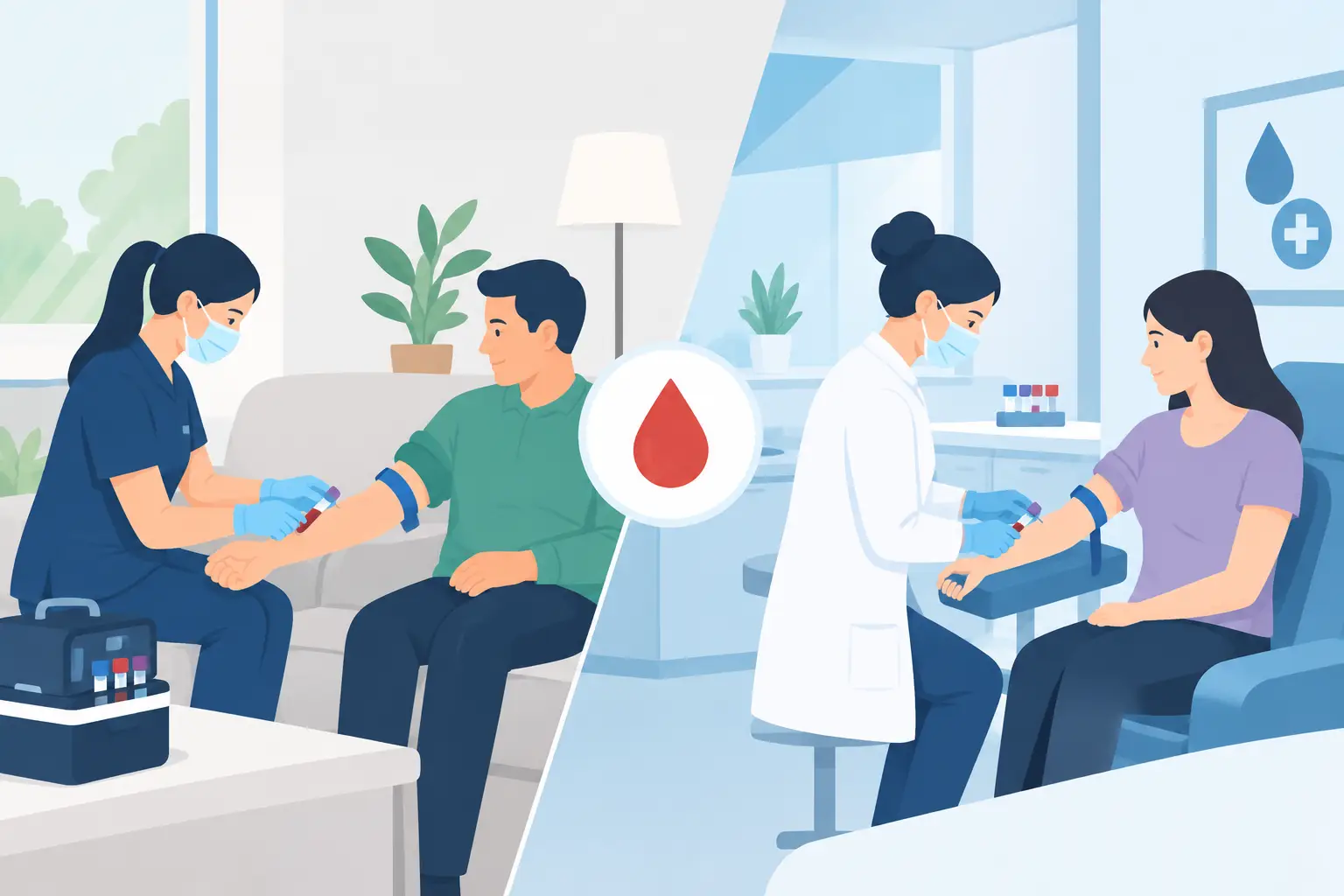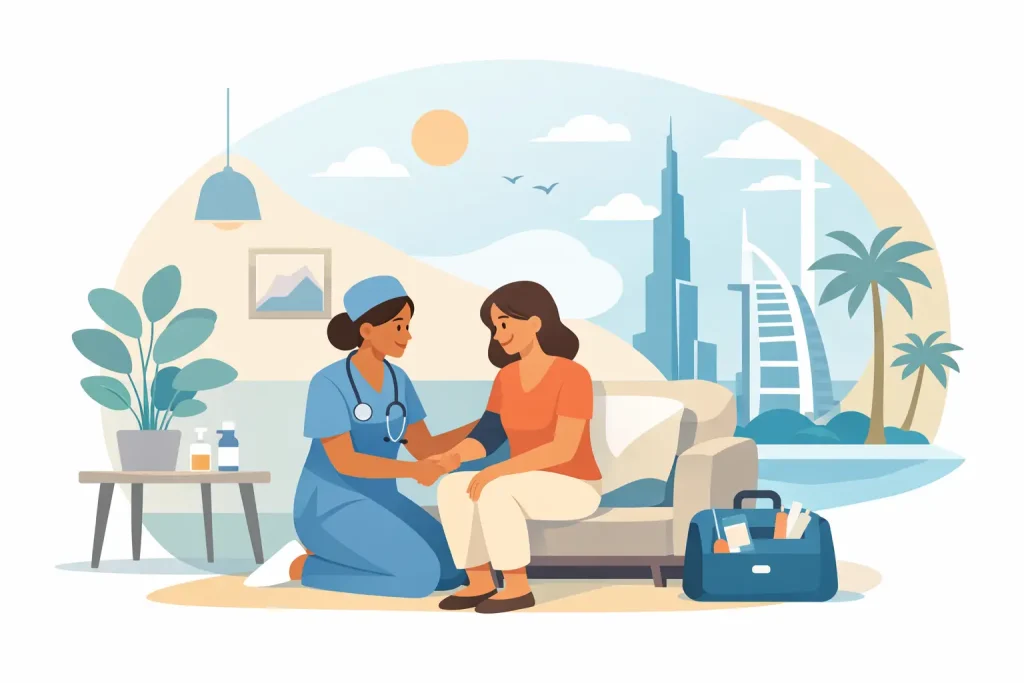
A late-night fever, a fresh discharge after surgery, or an aging parent who needs daily medical support can change the whole rhythm of a household. In those moments, a nurse at home service is not just about convenience. It is about getting qualified care quickly, safely, and in the place where patients often feel most comfortable – home.
For many families in Dubai, home nursing fills the gap between hospital treatment and day-to-day recovery. It can provide skilled medical support after an illness, help manage chronic conditions, assist with elderly care, or simply make ongoing treatment easier to handle. The value is practical and immediate: less travel, less waiting, more privacy, and care built around the patient rather than the other way around.
What a nurse at home service actually includes
Home nursing is broader than many people expect. Some patients need short-term help, such as wound dressing, injections, IV support, or post-operative monitoring. Others need longer-term assistance with medication administration, vital sign monitoring, mobility support, catheter care, feeding support, or recovery supervision.
The right service depends on the patient’s condition. A person recovering from surgery may need clinical observation and dressing changes for a few days. An elderly family member with limited mobility may need ongoing daily support. A new mother may need guidance and monitoring during the early postpartum period, while a baby may benefit from newborn care support. The point is not to force every patient into the same model. Good home nursing is tailored, clinically guided, and responsive to what is actually needed.
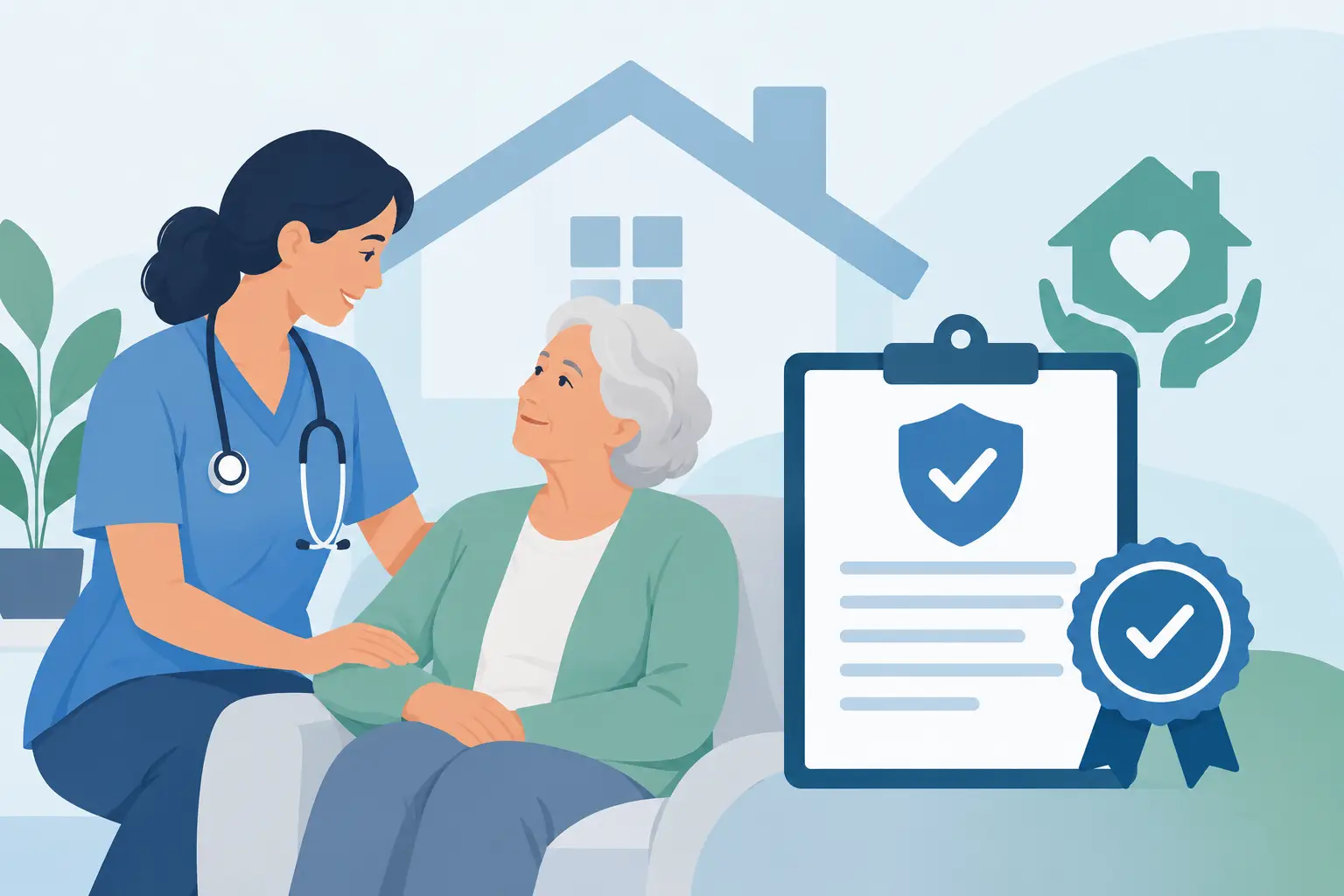
That is why professional oversight matters. A home nurse should not be working in isolation or improvising treatment. The strongest providers use DHA-certified professionals, clear care protocols, and documented plans that align with the patient’s condition and physician recommendations.
Who benefits most from nurse at home services
The most obvious group is post-hospital patients. Leaving the hospital does not always mean full recovery. Many people still need regular monitoring, dressing care, medication support, or help regaining strength. Bringing that care home can reduce strain on both the patient and the family.
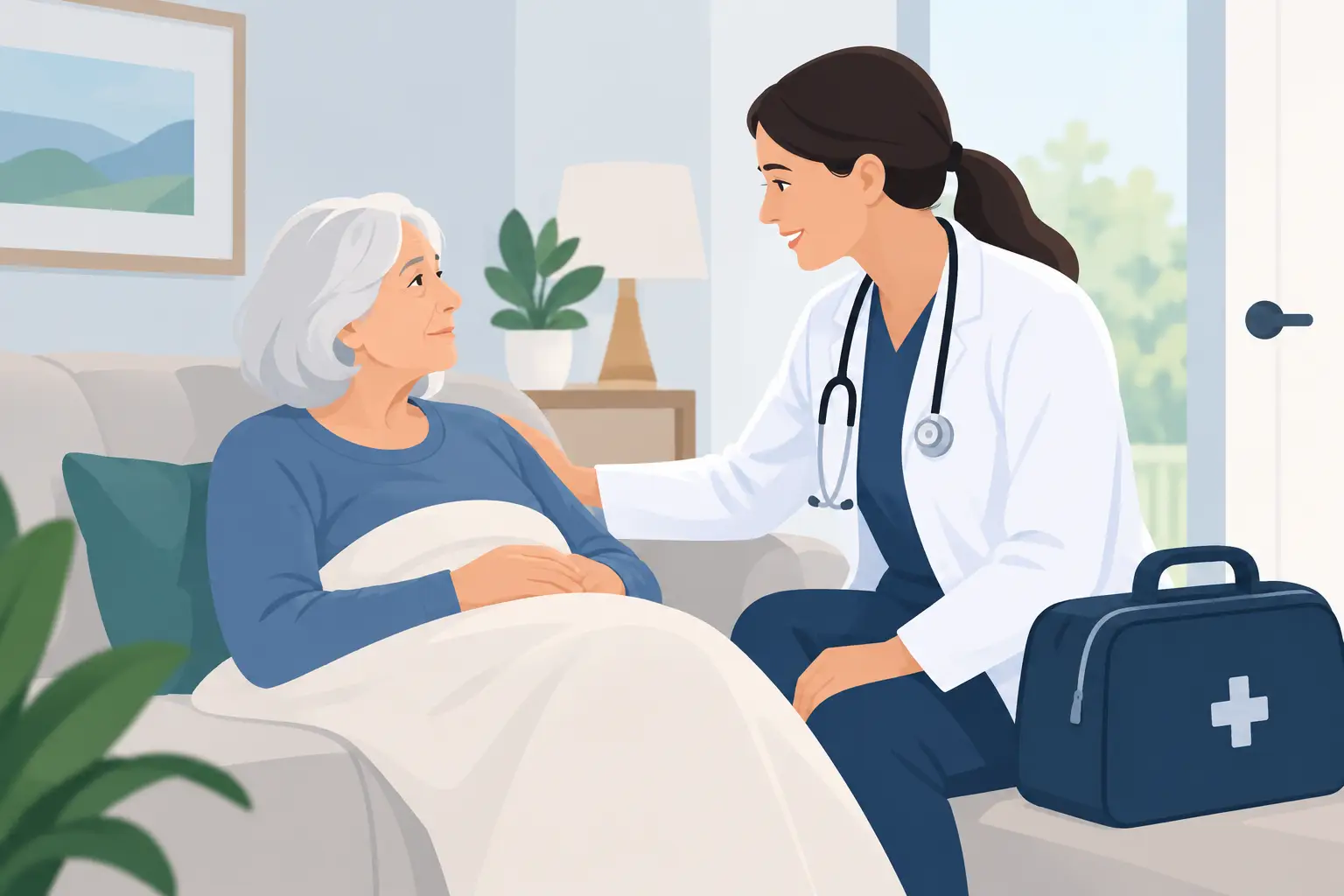
Elderly patients also benefit significantly. Frequent clinic trips can be tiring, uncomfortable, and in some cases risky. Home nursing allows seniors to receive support in a familiar environment, which can help with comfort, adherence, and overall well-being. It can also give family members peace of mind when they cannot be present every hour of the day.
Families with young children often look for home nursing when a child needs professional attention but a hospital visit feels excessive or disruptive. Busy professionals are another growing group. When time is tight, getting skilled care at home can mean treatment starts sooner rather than later.
Then there are patients with chronic medical needs. Diabetes management, mobility issues, medication routines, and ongoing recovery plans are easier to maintain when care fits naturally into home life. That does not mean every condition should be managed at home. Some cases still require hospital-level intervention. The key is proper assessment and knowing where home care is appropriate.
Why home care can be the better option
The strongest reason is simple: patients often do better when care is timely and consistent. Delays happen when people postpone clinic visits, struggle with transportation, or feel too unwell to leave home. A nurse coming to the patient removes much of that friction.
There is also the comfort factor. Recovery at home can feel calmer and less stressful, especially for children, seniors, and patients healing after surgery. Being in a familiar setting can improve cooperation with care routines and reduce the emotional fatigue that often comes with repeated medical visits.
For families, a nurse at home service can make complex care more manageable. Instead of trying to coordinate medications, monitor symptoms, and guess whether a wound is healing normally, they have trained support at the bedside. That practical reassurance matters.
Still, home care is not automatically the best choice in every situation. If a patient has severe breathing difficulty, chest pain, uncontrolled bleeding, or another emergency, immediate emergency care is the right step. Home nursing works best when the patient is stable enough for at-home treatment but still needs professional support.
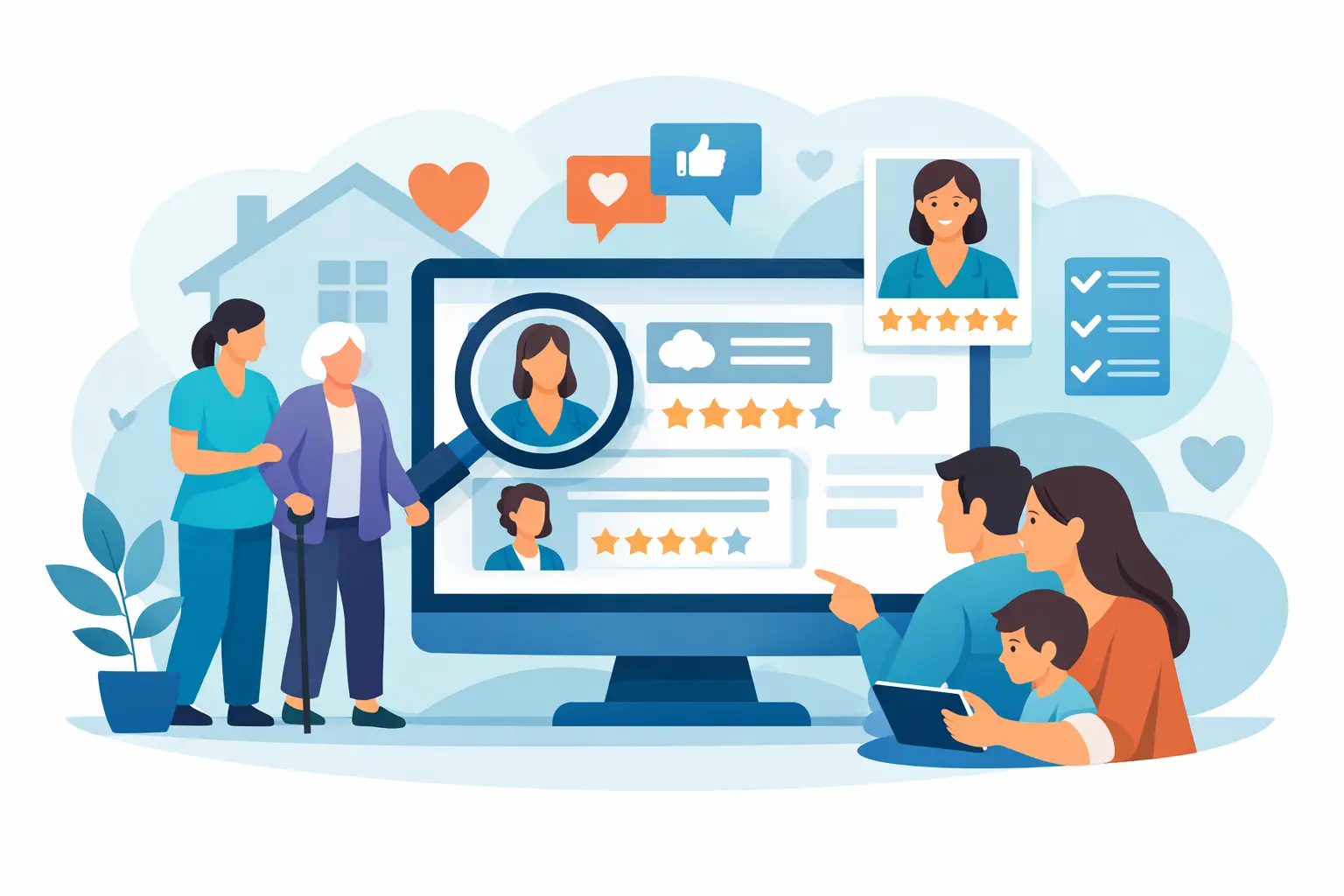
What to look for in a nurse at home service
Credentials come first. Families should know who is entering their home and what level of care that professional is qualified to provide. In Dubai, DHA-certified staff are an essential trust marker because certification reflects regulated professional standards.
Speed matters too, especially when the need is urgent. If a patient requires prompt monitoring, medication administration, or recovery support, long delays can add stress and sometimes risk. Fast response times are not a luxury in healthcare. They are part of good service.
Equally important is clinical structure. A dependable provider should assess the patient’s needs, explain the plan clearly, and match the nurse’s skills to the case. This is especially relevant for wound care, elderly care, IV therapy support, and post-surgical follow-up. A general approach may work for basic assistance, but medical care should always reflect the patient’s actual diagnosis and condition.
Communication is another deciding factor. Families should be able to ask questions, understand the next steps, and know when a doctor’s review may be needed. The best experience is not just fast. It is organized, transparent, and reassuring from the first contact.
How nurse at home service supports recovery
Recovery is rarely one task. It is a series of small, necessary steps done correctly and on time. Medication needs to be taken as prescribed. Dressings need to be changed properly. Symptoms need to be watched. Mobility often needs encouragement and guidance. When those basics are handled well, patients are more likely to recover smoothly.
This is where home nursing becomes especially valuable. It brings professional consistency into the daily routine. Instead of relying on guesswork, patients and families have trained support that can identify concerns early and help maintain the treatment plan.
In many cases, home nursing also works best as part of a broader care model. A patient may need a doctor on call for medical review, home physiotherapy for mobility recovery, lab testing at home for monitoring, or IV therapy as part of treatment. When those services can be coordinated around the patient, care becomes more efficient and less stressful.
Providers such as Your Choice Healthcare have built their model around exactly that need: fast, clinically supervised care delivered at home, with services designed to support both urgent situations and ongoing recovery.
When families usually book home nursing
Some requests are planned. A family knows a loved one is coming home after surgery and arranges follow-up nursing in advance. Others are more immediate, such as a sudden need for injections, wound care, or elderly support.
There is also a middle ground, where the need starts small and becomes more obvious over time. A parent notices an elderly relative is struggling with medications. A new mother realizes she needs extra support during recovery. A patient discharged from the hospital finds that healing at home is harder than expected. In these situations, timely intervention can prevent setbacks.
That is why easy access matters. Booking should not feel complicated when someone already has a medical concern at home. Clear communication, quick scheduling, and 24/7 availability make a real difference for families trying to act quickly.
A practical way to choose the right care
Start with the patient’s actual needs. Is the issue medical, supportive, or both? Does the patient need a one-time visit or ongoing care? Are there physician instructions that the nurse should follow? These answers help determine the right type of service.
Next, look at the provider’s clinical credibility, response time, and service range. A provider that can only handle one narrow task may be enough in simple cases, but patients often need more than one layer of support. Having access to nursing, doctor visits, therapy, and diagnostics at home can save time and reduce care gaps.
Most importantly, choose a team that treats home healthcare as real healthcare, not a casual add-on. Patients deserve professional standards, clear communication, and care that feels both medically sound and personally respectful.
When the right support arrives at the door, home stops feeling like a place where you are waiting to get better. It becomes part of the healing itself.