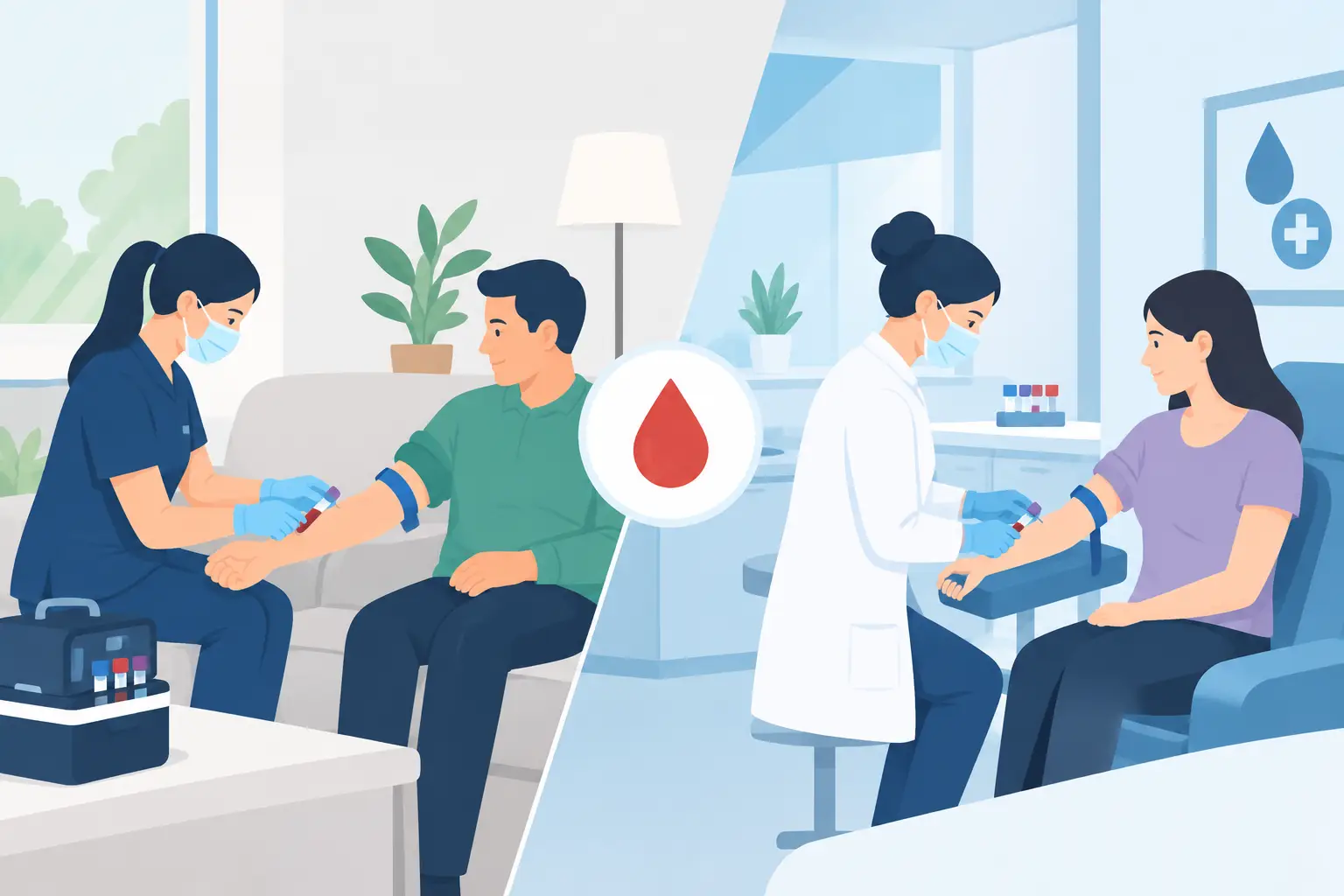
A child develops a high fever late at night. An elderly parent becomes unusually weak. You are recovering from surgery and pain or swelling suddenly worsens. In moments like these, knowing how to book an urgent doctor visit can replace panic with a clear next step – especially when getting to a clinic is difficult or unsafe.
Urgent home doctor care is designed for medical concerns that need prompt assessment but may not require an emergency department. A qualified physician can evaluate symptoms in the comfort of your home, advise on treatment, prescribe medication when clinically appropriate, and recommend the right level of follow-up care.
First, Know Whether You Need Emergency Care
Booking an urgent doctor at home is not the right choice for every situation. If someone has severe chest pain, difficulty breathing, signs of stroke such as facial drooping or sudden trouble speaking, uncontrolled bleeding, loss of consciousness, a serious injury, or a severe allergic reaction, call emergency services immediately. Do not wait for a home visit.
For urgent but stable concerns, an at-home physician may be a practical option. These can include fever, flu-like symptoms, persistent cough, vomiting or diarrhea without severe dehydration, ear pain, urinary symptoms, rashes, migraine, minor infections, medication concerns, mild asthma symptoms, or a noticeable change in an elderly relative’s condition.
The difference often comes down to stability. If symptoms are rapidly worsening, severe, or affecting breathing, consciousness, circulation, or mobility, emergency hospital care is safer. If the patient is alert, stable, and needs prompt medical guidance, booking a doctor at home may help avoid an unnecessary clinic visit.
How to Book an Urgent Doctor at Home
The fastest booking process is usually simple: contact a trusted home healthcare provider by phone, WhatsApp, or an online appointment form. State early in the conversation that you need an urgent doctor visit and briefly describe the symptoms. This helps the care team prioritize the request and confirm whether a home consultation is suitable.
When contacting the provider, have the patient’s name, age, Dubai location, and a callback number ready. Share when the symptoms started, whether they are getting better or worse, and whether the patient has any major medical conditions, allergies, or regular medications. If you have recent test results, discharge papers, or a list of medicines, keep them nearby for the doctor.
Be direct about anything that concerns you. For example, rather than saying an elderly parent is “not feeling well,” explain that they have had a fever since the morning, are eating less than usual, feel dizzy when standing, and recently started a new medication. Clear details support safer triage and help the physician arrive prepared.
Your Choice Healthcare provides doctor on call services in Dubai for patients who need professional medical attention at home. Availability and arrival times can depend on your location, the time of day, and the clinical urgency of the request. If a team advises emergency care based on the information you provide, follow that guidance without delay.
Choose the Right Contact Method
If you need immediate confirmation or have symptoms that are changing, calling is often the best option because you can speak directly with a care coordinator. WhatsApp can be convenient when you need to send a location, share a photo of a prescription, or communicate while caring for a child or family member. An online form may work well for a less time-sensitive request, but a direct call is usually preferable when you need an urgent assessment.
Whichever method you choose, keep your phone available after booking. The care team may call to confirm your address, ask a few clinical questions, or provide instructions while the doctor is on the way.
What Happens During an Urgent Home Visit
A home doctor visit should feel organized, respectful, and focused. The physician will ask about symptoms, medical history, medications, allergies, and any recent illness, surgery, travel, or exposure that could be relevant. They may check vital signs such as temperature, blood pressure, heart rate, oxygen level, and blood sugar when needed.
The assessment may also include a physical examination based on the concern. For a child with fever, the doctor may examine the throat, ears, chest, hydration, and general appearance. For an adult with a cough, the focus may include breathing, oxygen levels, chest sounds, fever pattern, and health history. For an elderly patient, the physician may consider hydration, infection, medication effects, mobility, and changes in mental alertness.
After the assessment, the doctor will explain the likely cause of the symptoms and the recommended next step. This could be home treatment, a prescription, monitoring instructions, diagnostic testing, nursing support, or referral to a clinic or hospital. A responsible clinician will not simply reassure you if your symptoms point to a more serious concern. Sometimes the most valuable outcome of an urgent home visit is a timely recommendation to seek higher-level care.
Prepare Your Home for the Doctor’s Arrival
You do not need to turn your home into a clinic. A few practical steps can make the visit easier and more comfortable. Keep the patient in a well-lit room with a clear path to the entrance. Have identification, insurance details if applicable, medication packets, and recent medical documents available.
If the patient has fever, vomiting, or respiratory symptoms, note the temperature readings, fluid intake, and any medication already taken. For young children, write down the timing and dose of fever medicine. For older adults, mention any recent falls, confusion, reduced appetite, or changes in urine output. These details can be more useful than trying to remember everything during the consultation.
It also helps to have one family member present, when possible, to listen to the doctor’s instructions. They can take notes, collect prescriptions, and watch for changes after the visit. If the patient lives alone, ask a friend, neighbor, or relative to check in afterward when appropriate.
Questions to Ask Before the Doctor Leaves
An urgent visit is a chance to get clear answers, not just a diagnosis. Ask what symptoms should improve first, how long recovery may take, and which warning signs mean you should call again or go to the hospital. Confirm the correct medication name, dose, and timing before the physician leaves.
If tests or follow-up care are recommended, ask how soon they should happen. A patient with persistent fever may need lab testing at home or a review within a defined period. Someone recovering from surgery may need nursing visits, wound care, physiotherapy, or another assessment if pain and swelling do not improve.
Do not hesitate to ask whether the condition could be contagious and what precautions the household should take. This matters when there are newborns, elderly relatives, pregnant family members, or people with weakened immune systems at home.
When Home Care Needs Follow-Up
Urgent medical care does not always end after one appointment. The doctor may advise monitoring at home, repeat vital sign checks, medication review, diagnostic tests, or continued support from a nurse or therapist. Follow the plan as closely as possible, even if the patient starts to feel better quickly.
Call for further advice if symptoms do not improve within the timeframe given, return after initially improving, or become more severe. New confusion, persistent high fever, worsening pain, reduced responsiveness, dehydration, increasing shortness of breath, or an inability to keep medication down should always be taken seriously.
The goal is not to replace hospitals when hospital care is necessary. It is to bring qualified medical attention closer when a patient needs prompt help, thoughtful assessment, and a clear plan without the stress of traveling while unwell.
Keep your preferred urgent home healthcare contact saved before you need it. When illness disrupts your family’s routine, a quick call and accurate symptom details can help you move from worry to appropriate care with greater confidence.