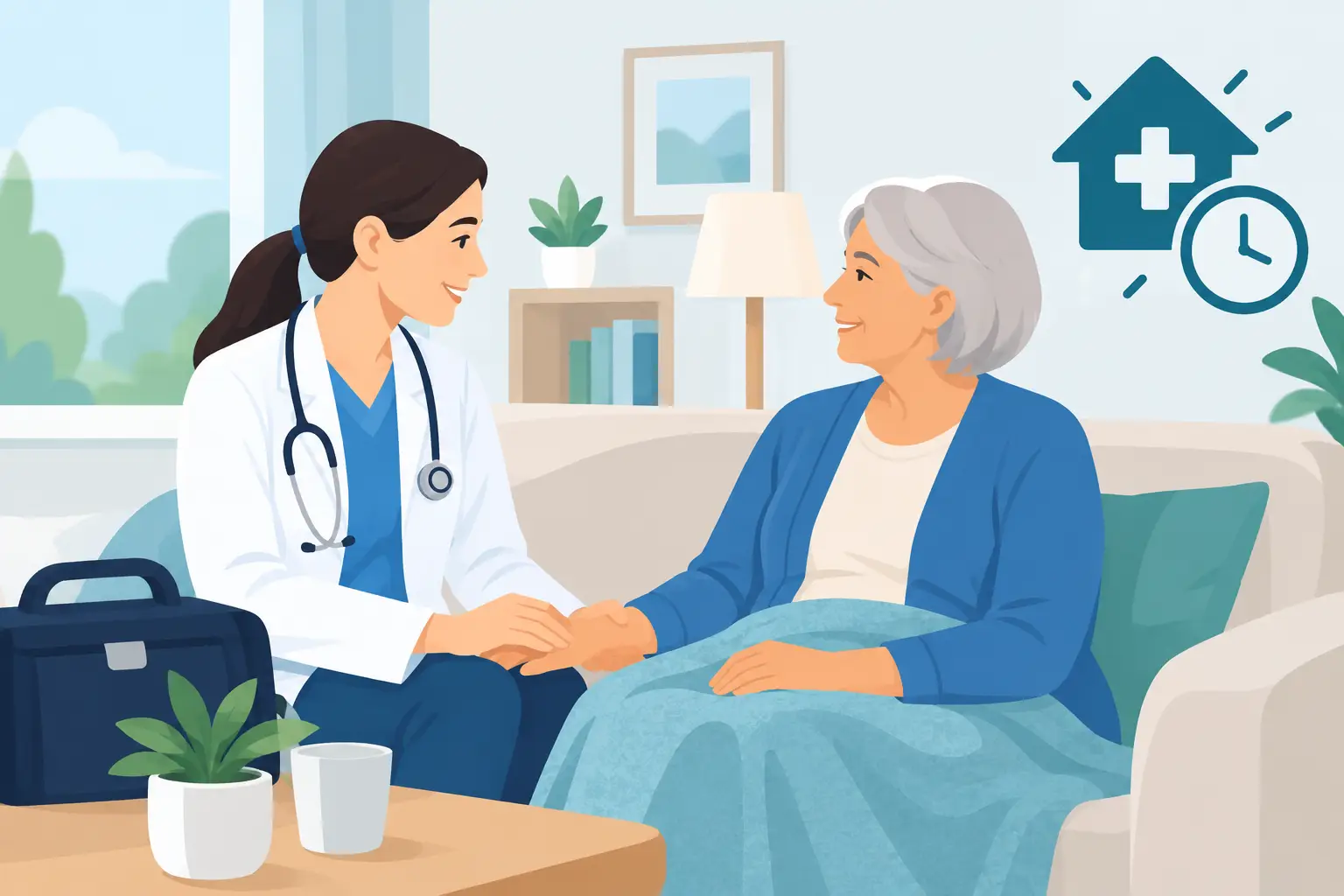
A parent who was independent last month may suddenly need help after a fall, hospitalization, or change in a chronic condition. For many Dubai families, a home nurse for elderly patients provides the clinical support that makes recovery and daily care feel safer without moving a loved one away from familiar surroundings.
Home nursing is not simply companionship or household help. It can bring qualified clinical observation, medication support, wound care, mobility assistance, and coordinated communication into the patient’s home. The right care plan protects comfort while giving family members clearer guidance on what their loved one needs each day.
When a Home Nurse for Elderly Patients Is the Right Choice
Home nursing is often helpful when an older adult needs more than occasional check-ins but does not require continuous hospital treatment. The decision usually follows a specific event, such as discharge after surgery, a fall, a stroke, or an illness that has reduced strength and confidence.
It can also be the right choice for seniors living with diabetes, hypertension, heart disease, respiratory conditions, dementia, Parkinson’s disease, or limited mobility. These conditions may require regular monitoring and dependable routines. Small changes in appetite, skin condition, blood pressure, alertness, breathing, or walking ability can matter, particularly when they appear gradually.
A home nurse can help families respond earlier by observing the patient consistently and reporting concerns through the appropriate clinical channels. This does not replace emergency care or a physician’s treatment plan. If an elderly person has chest pain, severe breathing difficulty, sudden confusion, signs of stroke, uncontrolled bleeding, or a serious fall, seek urgent medical assistance immediately.
The best fit depends on the patient’s needs. A person recovering from a straightforward procedure may need short-term visits for wound checks and medication support. Someone with complex needs may benefit from longer shifts, regular nursing visits, or a wider care team that includes a doctor, physiotherapist, or speech therapist.
What Professional Elderly Home Nursing Can Include
A care plan should be personal, not a fixed checklist. Before care begins, a qualified provider should understand the patient’s diagnosis, medications, mobility level, recent hospital care, physician instructions, home environment, and family concerns.
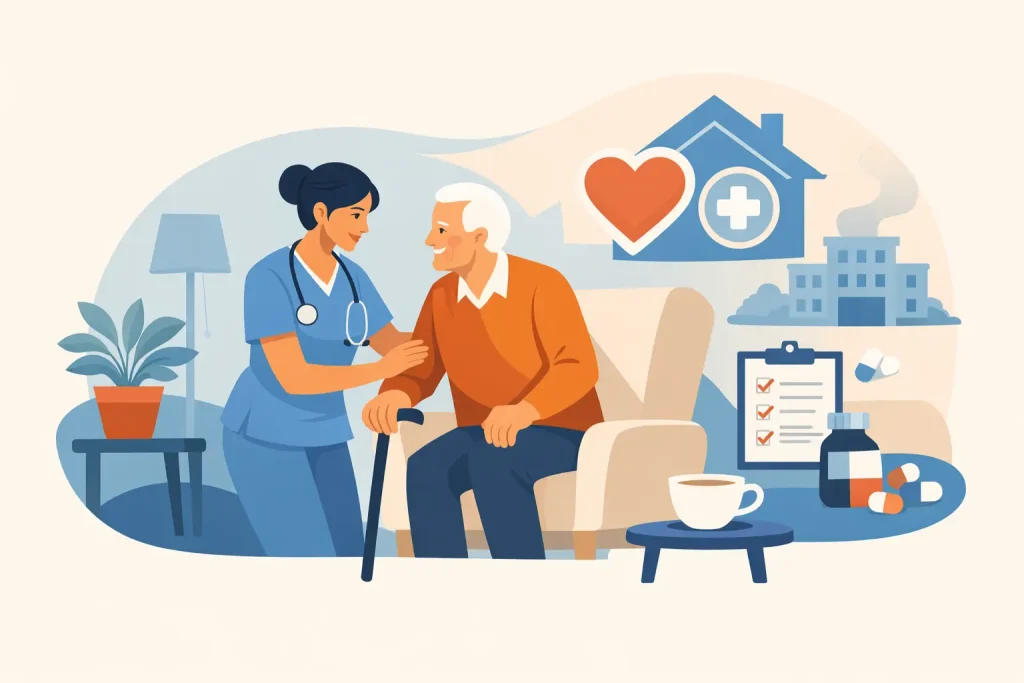
Clinical support may include vital-sign monitoring, blood glucose checks, medication administration or reminders, injections as prescribed, wound and dressing care, catheter care, feeding support, and monitoring for signs of infection or dehydration. For patients with reduced mobility, nursing care can also focus on positioning, skin integrity, hygiene support, and practical measures that reduce the risk of pressure injuries.
Post-hospital care is one of the most valuable uses of a nurse at home. Leaving a hospital can be reassuring, but it also places new responsibilities on families. There may be discharge instructions, new medication schedules, dietary changes, dressing requirements, and follow-up appointments to manage. A nurse can help make those instructions easier to follow and flag questions that need medical review.
For seniors with chronic illness, consistency is often as valuable as a single treatment. A nurse can establish a stable routine, track symptoms over time, and help the family understand when a change is minor and when it should be escalated. This practical oversight can reduce uncertainty for adult children who cannot be present throughout the day.
Comfort Matters, but Clinical Standards Matter More
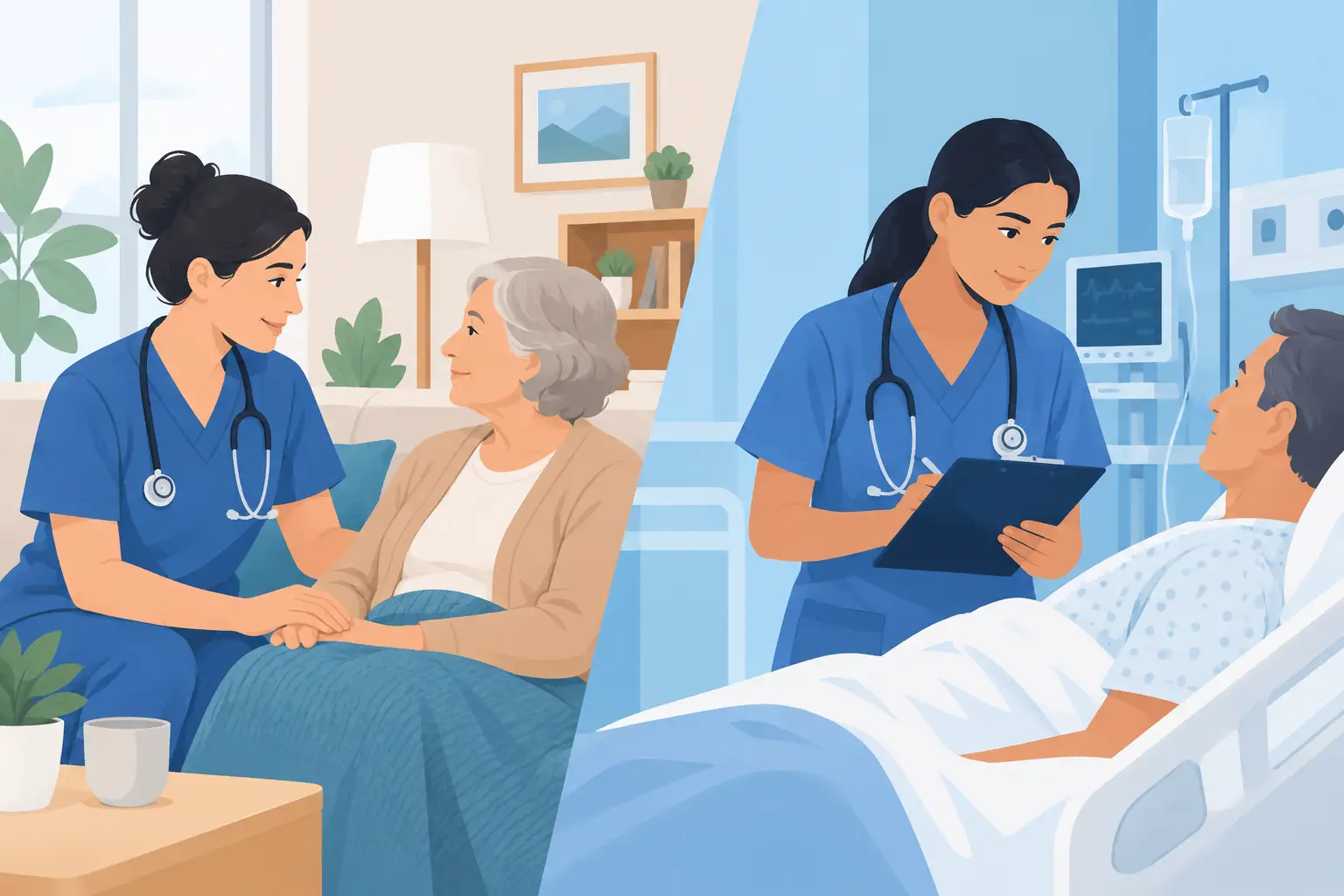
Care at home feels more personal because the patient is in their own bedroom, with their usual food, routines, and family nearby. That familiarity can ease anxiety, especially for a senior who finds clinics confusing or tiring. However, comfort should never be the only reason to choose a provider.
Ask whether the nurse is properly licensed and whether care is supervised by clear clinical protocols. In Dubai, families should look for DHA-certified professionals and a provider that can explain how assessments, documentation, medication handling, and escalation are managed. Credentials are not a formality. They help ensure the person entering your home is prepared to deliver safe, appropriate care.
It is also reasonable to ask how the provider handles changes in the patient’s condition. A dependable service should have a clear process for contacting a physician, advising the family, arranging additional support, or directing emergency action when necessary. Fast availability is helpful, but it should be paired with sound judgment and accountable clinical care.
Preparing the Home for Safer Care
A nurse can assess risks, but families can make the home safer before the first visit. The goal is not to turn a home into a hospital. It is to remove the everyday obstacles that can cause injury or make care harder.
Clear pathways between the bedroom, bathroom, and living area. Secure loose rugs, improve lighting near stairs and hallways, and keep frequently used items within easy reach. If the patient uses a walker or wheelchair, make sure furniture placement allows enough room to move safely. In the bathroom, grab bars, a shower chair, and non-slip surfaces may be appropriate depending on mobility.
Prepare a current medication list that includes prescriptions, over-the-counter medicines, vitamins, allergies, and dosage instructions. Keep discharge papers, recent test results, and the contact details for the patient’s physician available. These details help the nurse begin with an accurate picture of the patient’s health rather than relying on memory during a stressful moment.
Families should also discuss preferences with their loved one. Some seniors want help with a particular routine but prefer independence in other areas. Respecting those preferences, where medically safe, helps preserve dignity and encourages cooperation with care.
Questions to Ask Before Booking Elderly Nursing Care
A provider should be able to explain services plainly. Start by asking whether the nurse has experience with the patient’s condition and whether the recommended visit length matches the level of support needed. A brief clinical task may require one type of visit, while recovery after a stroke or surgery may require a more structured schedule.
Clarify what is included in the visit and what requires a physician order. Ask how notes are shared with the family, how medication concerns are handled, and who to contact outside normal hours. If the patient needs physiotherapy, lab testing, IV therapy, or a doctor consultation at home, ask whether these services can be coordinated as part of the overall plan.
Availability matters when care needs change quickly. Families should know whether same-day or 24/7 support is available and what response time they can expect. At the same time, avoid choosing based on speed alone. The strongest option combines timely access, certified professionals, clear communication, and care that is appropriate for the patient’s actual condition.
Supporting the Family Caregiver
Even with professional nursing support, family members remain an essential part of an elderly patient’s care. They often notice subtle changes in mood, sleep, appetite, or mobility before anyone else. Sharing those observations with the nurse creates a more complete view of the patient’s well-being.
Caregivers also need realistic support. Trying to manage medications, personal care, appointments, and work responsibilities alone can lead to exhaustion and missed warning signs. Scheduled nursing visits can provide practical relief while helping family members learn safer ways to assist with transfers, hygiene, nutrition, and recovery routines.
Your Choice Healthcare provides responsive, clinically supervised nursing support for Dubai families who need professional care at home. Whether the need is planned after discharge or arises when an elderly relative’s condition changes, arranging an assessment early can make the next steps clearer and less stressful.
The most helpful time to seek support is often before a family reaches a crisis point. A calm conversation, an accurate assessment, and dependable nursing care can help an older loved one remain comfortable at home while the people caring for them feel less alone.