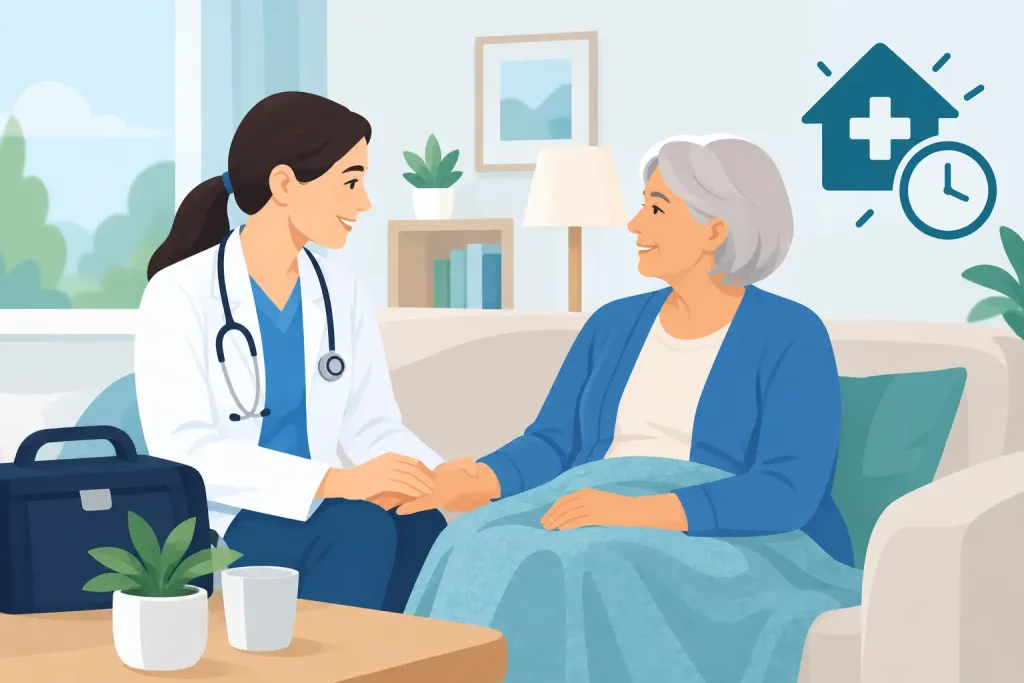
A child develops a fever late at night. An elderly parent feels weak after a recent illness. A post-surgery patient needs a wound checked but is not ready for the effort of a clinic visit. These are the moments when home doctor availability matters most. It gives families in Dubai a practical way to seek professional medical guidance without adding travel, waiting rooms, or unnecessary discomfort to an already stressful situation.
At-home care is not intended to replace emergency services. Chest pain, severe breathing difficulty, major bleeding, loss of consciousness, signs of stroke, or any life-threatening concern requires immediate emergency assistance. For many non-emergency needs, however, an experienced physician can assess symptoms, provide a clinical plan, and help patients receive care in the comfort of home.
What Home Doctor Availability Means for Families
Availability is more than having a phone number to call. It means being able to reach a responsive healthcare team when your family needs direction, whether the concern is urgent, routine, or part of an ongoing recovery plan. A reliable home doctor service should make the next step clear: explain the booking process, confirm the expected arrival window, and send a qualified professional prepared to assess the patient.
For families, this can remove several common barriers to care. Parents do not have to bring a sick child into a crowded waiting room. Older adults with reduced mobility can receive an evaluation in familiar surroundings. Busy professionals can arrange a consultation around work and family responsibilities. Patients recovering from surgery can avoid a difficult trip while still receiving medical attention.
The value is not simply convenience. A home visit also gives the physician a better view of the patient’s day-to-day environment. That context can be helpful when discussing medication routines, hydration, mobility, fall risks, caregiver support, or recovery needs.
When a Doctor at Home Can Help
A doctor on call can support a wide range of non-emergency concerns. Common reasons to request a home consultation include fever, cough, sore throat, seasonal flu symptoms, stomach discomfort, dehydration, headache, fatigue, mild skin concerns, urinary symptoms, and medication questions. A visit may also be appropriate when a patient’s existing symptoms need reassessment or when a family needs professional guidance on whether further testing or hospital care is necessary.
Home consultations can be particularly helpful after discharge from a hospital or clinic. Recovery often involves questions that do not always require an emergency department but should not be ignored: Is pain improving as expected? Does swelling need to be checked? Is the patient eating and drinking enough? Are medications being taken correctly? A physician can assess the situation, recommend next steps, and coordinate relevant at-home support when needed.
For elderly patients, timely medical attention can be especially valuable. Small changes in energy, appetite, balance, confusion, or mobility can affect health quickly. A home doctor visit allows families to raise concerns early, with less disruption for the patient.
Home Doctor Availability in Dubai: What to Expect
When you request a home doctor in Dubai, the process should be simple and patient-focused. You share the patient’s symptoms, location, age, medical history where relevant, and any immediate concerns. The care team then helps determine whether a home visit is appropriate or whether a higher level of care is needed.
During the visit, the physician will discuss symptoms, review relevant health information, conduct an examination, and provide recommendations based on the clinical findings. Depending on the concern, this may include a prescription, advice for symptom management, a referral for further evaluation, or coordination with other home healthcare services.
At Your Choice Healthcare, doctor-on-call support is designed around fast, personalized care for patients across Dubai. DHA-certified professionals provide clinically supervised care at home, with 24/7 availability and rapid response times for eligible service areas. Arrival timing can vary based on location, traffic, demand, and the urgency of the request, so clear communication from the care team remains essential.
The Advantage of Coordinated Care at Home
A doctor visit is often only one part of a patient’s needs. Someone recovering from surgery may also need nursing support for wound care, injections, or medication administration. An older adult may benefit from regular monitoring and personal care. A patient rebuilding strength after an injury may need home physiotherapy. New parents may need professional newborn or postnatal support.
Coordinated home healthcare helps avoid the burden of arranging each service separately. After a physician assesses the patient, the care plan can be supported by the right clinical professionals and services, such as nursing care, lab testing at home, IV therapy when medically appropriate, speech therapy, or rehabilitation support.
This approach is especially useful for families managing complex schedules. Instead of moving a vulnerable patient between multiple appointments, they can organize care around the patient’s condition and routine. It also creates continuity. The team can work from the physician’s recommendations and keep the patient’s goals at the center of each visit.
That said, home care is not always the best setting. Some diagnostics, specialist procedures, imaging studies, and acute conditions require a clinic or hospital. Trustworthy providers should be direct about those limits. The right recommendation is the one that protects the patient, even when it means advising a different level of care.
How to Choose a Home Doctor Service
The first question should be clinical credibility. Look for licensed or DHA-certified professionals, clear service information, and a provider that can explain who will visit your home. Families should feel comfortable asking about the physician’s qualifications, the scope of the consultation, and what happens if the patient needs escalation.
Response and communication are equally important. A fast service is valuable only when it provides realistic expectations. Before confirming a visit, ask for the estimated arrival time, what information the physician will need, and whether there are any instructions to follow while waiting. For example, keeping a list of medications, recent test results, discharge notes, and known allergies ready can make the consultation more efficient.
Privacy also matters. Medical care at home should be delivered respectfully, with attention to the patient’s comfort, dignity, and confidential health information. This is particularly important for elderly patients, mothers and newborns, and anyone receiving care for a sensitive health concern.
Preparing for the Doctor’s Visit
A few simple details can help the appointment run smoothly. Ensure the patient is in a comfortable, well-lit area and that a family member or caregiver is present if the patient needs assistance. Keep identification, insurance details if applicable, medication lists, and recent medical reports nearby.
It helps to describe symptoms clearly. Note when they started, whether they are getting worse, what makes them better or worse, and whether there are accompanying signs such as fever, vomiting, dizziness, pain, or reduced appetite. These details support a more accurate assessment.
If the doctor recommends follow-up care, ask what changes should prompt another call, a clinic visit, or emergency care. A good care plan should leave the family with practical guidance, not uncertainty.
Care That Fits the Moment
The best healthcare response is not always the fastest trip to a hospital, nor is it always a home visit. It depends on the patient’s symptoms, medical history, and level of risk. But for many everyday illnesses, recovery concerns, and mobility-related challenges, having a qualified doctor available at home can bring reassurance at the moment it is needed most.
When a family member needs professional attention and the situation is not life-threatening, timely doorstep care can turn a difficult day into a manageable one. The goal is simple: the right clinician, clear guidance, and compassionate care where the patient feels safest.