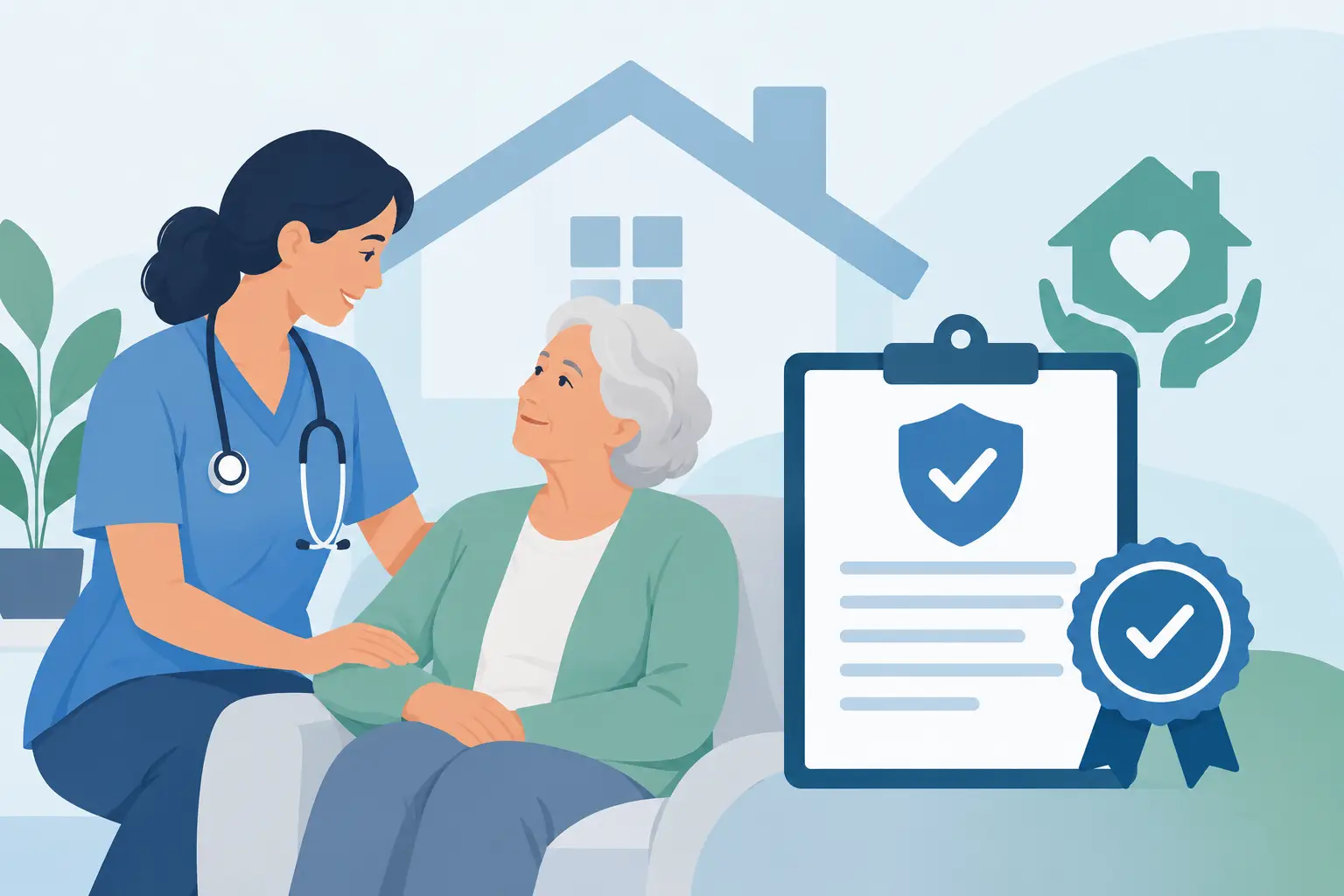
A hospital discharge paper can look simple, but the days that follow rarely are. Medication schedules, wound checks, mobility support, injections, and changes in symptoms can place real pressure on patients and families. Home nursing Dubai services bring qualified clinical support into the place where recovery often feels most manageable: home.
For a parent caring for a sick child, an adult supporting an elderly relative, or a patient recovering after surgery, having a professional nurse visit at home can replace uncertainty with a clear care plan. It also helps families avoid unnecessary clinic trips while keeping medical needs under professional supervision.
When Home Nursing in Dubai Is the Right Choice
Home nursing is not only for long-term illness. It can be appropriate when a patient needs skilled care for a short period, regular monitoring during recovery, or ongoing assistance with daily health needs. The right level of support depends on the diagnosis, the doctor’s instructions, the patient’s independence, and the family member’s ability to provide care.
A nurse at home may be especially helpful after surgery, hospitalization, childbirth, or a period of reduced mobility. Patients who need wound dressing changes, injections, catheter care, IV support, medication administration, or vital-sign monitoring often benefit from receiving these services in a familiar setting.
For elderly patients, home nursing can provide an extra layer of reassurance. A nurse can monitor general health, support prescribed care routines, identify changes that should be escalated to a physician, and help families understand what to watch for between visits. This does not replace emergency care or a specialist’s treatment plan, but it can make day-to-day care safer and more organized.
What a Nurse at Home Can Help With
Professional home nursing is clinical care, not simply companionship. Depending on the patient’s assessment and care plan, services may include post-operative support, wound management, injections, IV therapy, medication support, blood pressure and blood sugar checks, catheter care, and assistance with mobility or personal care.
The value is not limited to completing a task. A qualified nurse observes the patient’s condition while providing care. A wound that is not healing as expected, new swelling, fever, confusion, uncontrolled pain, or a sudden change in mobility may require prompt medical attention. Early recognition matters, particularly for older adults and patients recovering from complex procedures.
For families, this professional oversight can reduce the burden of trying to interpret every symptom alone. The nurse can also reinforce the physician’s instructions, explain practical steps in clear language, and help maintain consistency when several family members share caregiving responsibilities.
Post-Surgery and Recovery Support
The first weeks after surgery can involve more than rest. Patients may need dressing changes, injection administration, medication reminders, mobility assistance, and monitoring for signs of infection or complications. Traveling to a clinic while sore, weak, or unable to move easily can make recovery more difficult.
At-home nursing allows care to take place without adding transport, waiting times, or exposure to crowded waiting rooms. It is particularly useful when a patient has limited mobility or when the home environment needs to be considered as part of the recovery plan. A nurse may identify practical concerns, such as whether the patient can safely move from bed to bathroom or whether family support is sufficient between visits.
Elderly Care With Clinical Reassurance
Many older adults prefer to remain in their own homes, close to familiar routines and family. That preference should not mean compromising on professional care. Nursing support can be arranged around individual needs, from periodic health monitoring to more regular assistance after an illness or hospitalization.
The best approach balances independence with safety. Some seniors only need occasional clinical visits and guidance. Others need more consistent support because of chronic conditions, fall risk, cognitive changes, or complex medication schedules. A personalized assessment helps determine what is appropriate rather than assuming every patient needs the same level of care.
Support for New Mothers and Babies
The days after bringing a newborn home can be joyful and exhausting at the same time. Mothers recovering from delivery may need support with postnatal recovery, while parents may have questions about feeding, hygiene, sleep routines, or general newborn care.
A home nurse can offer practical, compassionate guidance in the family’s own environment. For first-time parents, this can be more useful than trying to absorb advice in a busy clinical setting. If a mother or baby shows symptoms that need physician review, the nurse can help guide the next step without delay.
What to Look for in a Home Nursing Provider
When inviting a healthcare professional into your home, trust should come before convenience. Confirm that the provider uses licensed, appropriately trained nurses and follows clear clinical protocols. In Dubai, families should ask whether the professionals are DHA-certified and whether the service is supervised by qualified medical leadership.
Availability also matters. Some needs can be booked in advance, while others arise unexpectedly after discharge or when a regular caregiver is unavailable. A responsive provider should explain appointment options, expected arrival times, the scope of care, and what information is needed before the visit.
Clear communication is another essential factor. Before the nurse arrives, the provider should understand the patient’s diagnosis, recent treatment, medications, allergies, mobility level, and physician instructions where available. During the visit, families should feel comfortable asking questions about the care being provided and the signs that should prompt a call to a doctor or emergency services.
Finally, choose a provider that recognizes the limits of at-home care. Home nursing is highly effective for many medical needs, but chest pain, severe breathing difficulty, stroke symptoms, heavy bleeding, loss of consciousness, or other serious emergencies require immediate emergency medical care. Responsible guidance includes knowing when home support is suitable and when it is not.
Preparing Your Home for a Nursing Visit
A few practical details can help the visit run smoothly. Keep the patient’s medications, discharge notes, recent test results, and physician instructions in one accessible place. Make sure the nurse has a clean, well-lit area to work and enough space near the patient if equipment or mobility support is needed.
It also helps to prepare a short list of questions. Families may want to ask about medication timing, wound care at home, safe movement, diet instructions, hydration, or follow-up appointments. If the patient has had new symptoms, note when they started and whether they are getting better or worse.
The goal is not to turn the home into a hospital room. It is to make professional care easier to deliver while preserving the comfort and dignity that home provides.
Personalized Care That Fits Real Family Life
Healthcare needs do not follow office hours or convenient schedules. A child may develop symptoms overnight, an elderly parent may need monitoring after a difficult day, or a recovering patient may require a same-day clinical visit. Fast access to a qualified nurse can make a meaningful difference in how confidently families manage these moments.
Your Choice Healthcare provides professional, DHA-certified nursing support at home for patients across Dubai, with personalized care plans built around each patient’s needs. Whether the requirement is planned post-treatment care or a prompt visit for a clinical concern, the focus should remain the same: safe care, clear communication, and respect for the patient at every step.
The comfort of home is valuable, but it is even more valuable when it is supported by the right clinical care. When a patient needs skilled attention, choosing qualified home nursing can help the whole family feel more prepared for what comes next.