When a child spikes a fever at night, an older parent feels suddenly weak, or you are too unwell to sit in a waiting room, knowing how doctor on call works can make the next step much easier. Instead of traveling to a clinic, you arrange for a licensed physician to come to your home, assess the problem, and start treatment where you are most comfortable.
For many families, this is not just about convenience. It is about getting timely medical attention without adding more stress to an already difficult moment. In a city where schedules are tight and health concerns do not wait for office hours, home doctor visits can be a practical and reassuring option.
How doctor on call works from booking to treatment
The process usually starts with a simple booking. You contact the provider by phone, WhatsApp, or an online form and share the patient’s symptoms, age, location, and any urgent medical concerns. This first step matters because it helps the care team understand whether a home visit is appropriate and how quickly a doctor should be dispatched.
Once the request is reviewed, the provider confirms the appointment and sends a physician to your location. Some services operate around the clock and can respond quickly, which is especially helpful for parents, elderly patients, and busy professionals who need care without delay. A dependable home healthcare provider should also be clear about expected arrival time, pricing, and what the visit can cover.
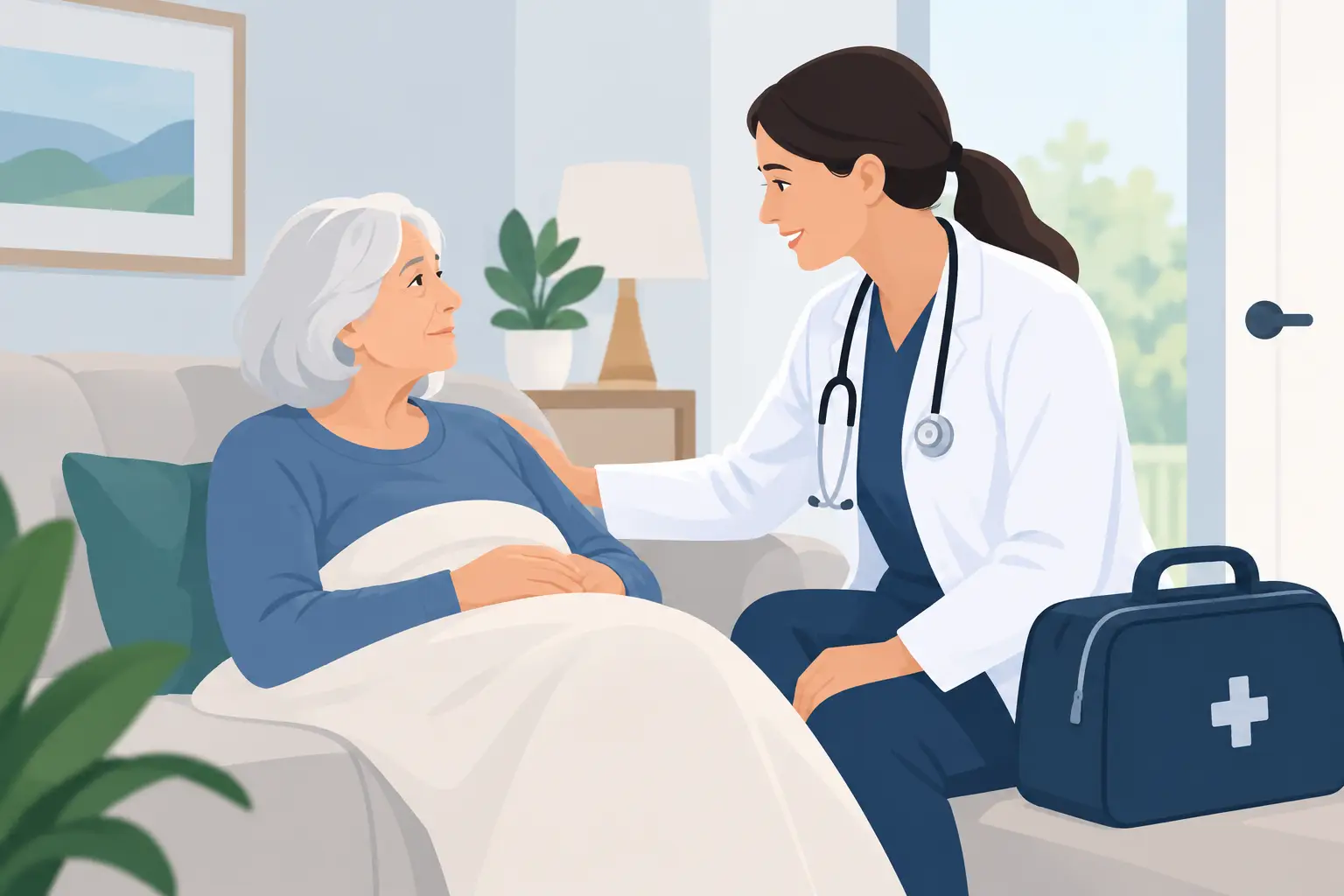
When the doctor arrives, the consultation looks a lot like an in-clinic visit, just in a more familiar setting. The physician will take a medical history, ask about current symptoms, review medications, and perform a physical examination. Depending on the condition, this may include checking temperature, blood pressure, oxygen levels, heart rate, breathing, hydration status, and other relevant clinical signs.
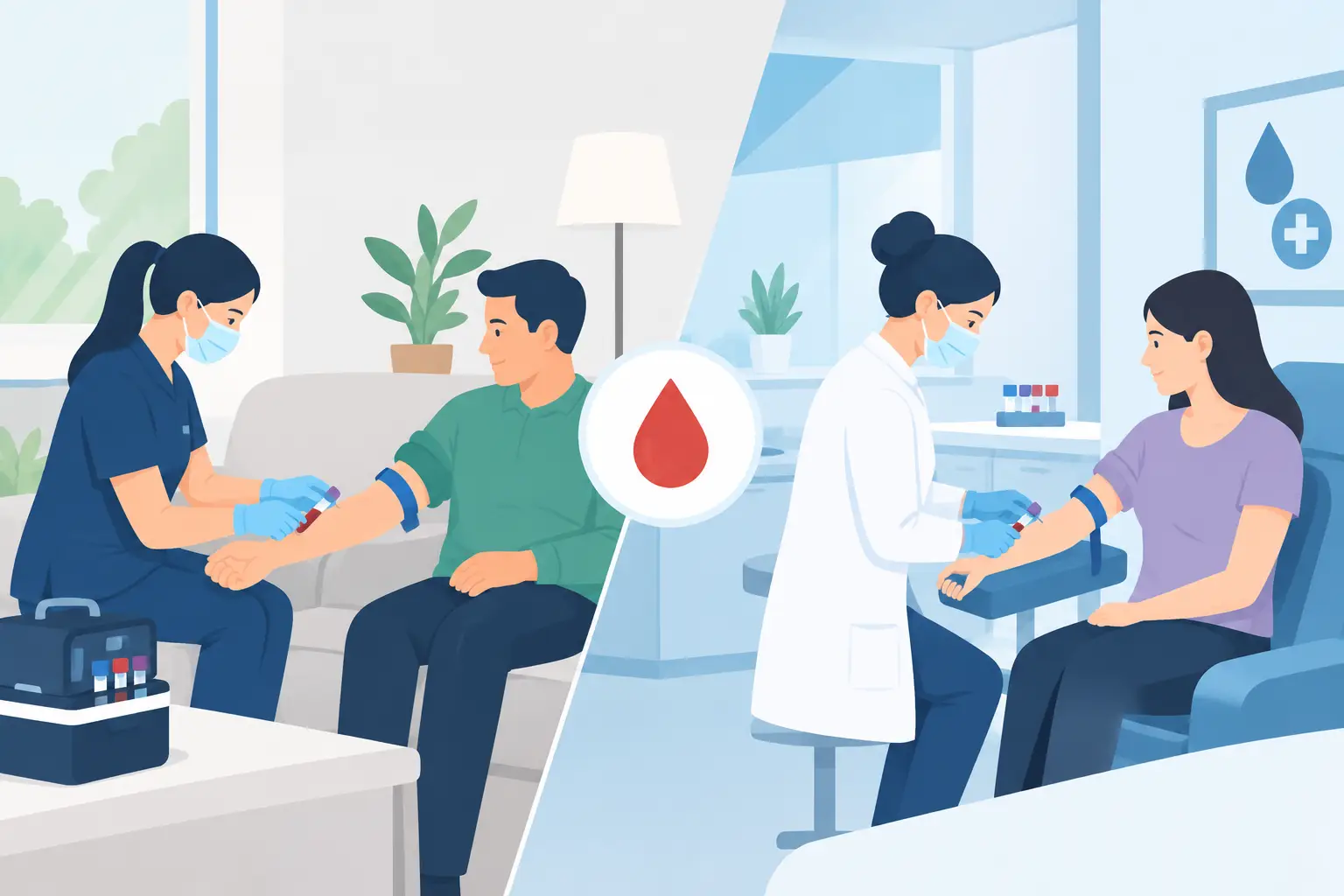
After the assessment, the doctor explains the likely diagnosis and recommends a treatment plan. That may involve prescribing medication, giving immediate advice for symptom relief, requesting home lab testing, or arranging additional support such as nursing care, IV therapy, or follow-up monitoring. If the doctor identifies signs of a medical emergency, they will advise hospital transfer rather than home management.
What a doctor on call can treat at home
A common question is whether this service is only for minor illnesses. The short answer is no, but it does have limits.
Doctor on call visits are often used for fever, flu symptoms, sore throat, cough, dehydration, headaches, stomach pain, vomiting, mild breathing complaints, skin rashes, urinary symptoms, fatigue, and general weakness. They can also help with medication review, chronic disease check-ins, post-hospital recovery support, and non-emergency concerns that still need prompt medical attention.
Home consultations are especially useful for patients who would struggle to travel comfortably. That includes older adults with mobility issues, new mothers, post-surgery patients, children who are ill late at night, and anyone who wants a doctor’s assessment without spending hours moving between traffic, reception, and waiting areas.
Still, not every case belongs at home. Severe chest pain, stroke symptoms, major trauma, loss of consciousness, heavy bleeding, or serious breathing distress need emergency care. A trustworthy provider should say that clearly. Good home healthcare is not about replacing hospitals in every situation. It is about delivering the right level of care in the right setting.
What happens during the visit
The biggest advantage of a home consultation is that it gives the doctor a fuller picture of the patient’s immediate condition. In a home setting, the physician can see how the person is functioning, how symptoms are affecting daily life, and whether family support is available. That often leads to more personalized guidance.
The visit usually includes three parts: evaluation, treatment, and planning. Evaluation means understanding what is happening medically. Treatment may include writing prescriptions, administering or arranging supportive care, and addressing symptoms on the spot when possible. Planning means telling the patient what to watch for, when to follow up, and whether any additional services are recommended.
For example, if a patient has a viral illness with dehydration, the doctor might assess vital signs, review symptoms, prescribe medication, and recommend IV therapy at home if clinically appropriate. If an elderly patient has weakness and poor appetite, the doctor may suggest blood testing, ongoing nurse visits, or monitoring over the next day or two. The goal is not just to address the immediate complaint, but to reduce the risk of the condition getting worse.
How doctor on call works for families in Dubai
For households in Dubai, speed and ease are often just as important as clinical quality. Families may be managing work, school, caregiving, and traffic all at once. A doctor on call service helps remove barriers between the patient and medical attention.
That is why the best experience depends on more than simply sending a doctor to the door. It should include licensed professionals, clinically sound assessment, clear communication, and the option to coordinate next steps at home. When home care is organized well, it feels less fragmented. The patient is seen, treated, advised, and, if needed, connected to related services without having to start over elsewhere.
This model is particularly valuable when one visit is not enough. A doctor may assess the patient first, then recommend a nurse for medication administration, home physiotherapy after an injury, lab testing for diagnosis, or elderly care support for ongoing supervision. That continuity can make recovery feel more manageable for both patients and caregivers.
What to prepare before the doctor arrives
A home visit is simpler when a few basics are ready. Keep the patient’s ID, medication list, known allergies, and recent medical records nearby if available. If the patient has a chronic condition such as diabetes, hypertension, asthma, or heart disease, mention that clearly during booking and again during the consultation.
It also helps to note when symptoms started, whether they are getting worse, and what has already been tried at home. If the patient has taken fever medicine, antibiotics, inhalers, or pain relief, the doctor needs to know. These details save time and help the physician make safer decisions.
If the patient is a child or an elderly adult, having a family member present can make communication easier. Home care is often at its best when the doctor, patient, and caregiver all understand the treatment plan.
Why people choose doctor on call instead of a clinic visit
The obvious reason is convenience, but that is only part of the story. Many patients also prefer privacy, comfort, and reduced exposure to crowded waiting areas, especially when they are weak or contagious. Children tend to be calmer at home. Elderly patients often tolerate assessment better in familiar surroundings. Recovery after surgery or illness can continue with less disruption.
There is also a practical benefit to timing. Some conditions are urgent enough to need medical attention soon, but not severe enough for an emergency room. That in-between space is where doctor on call services are often most useful. They can help patients get assessed early, start treatment sooner, and avoid unnecessary escalation.
That said, clinic care may still be better for certain needs, especially if advanced imaging or specialist equipment is required immediately. The right choice depends on the patient’s symptoms, medical history, and level of urgency.
Choosing a reliable provider
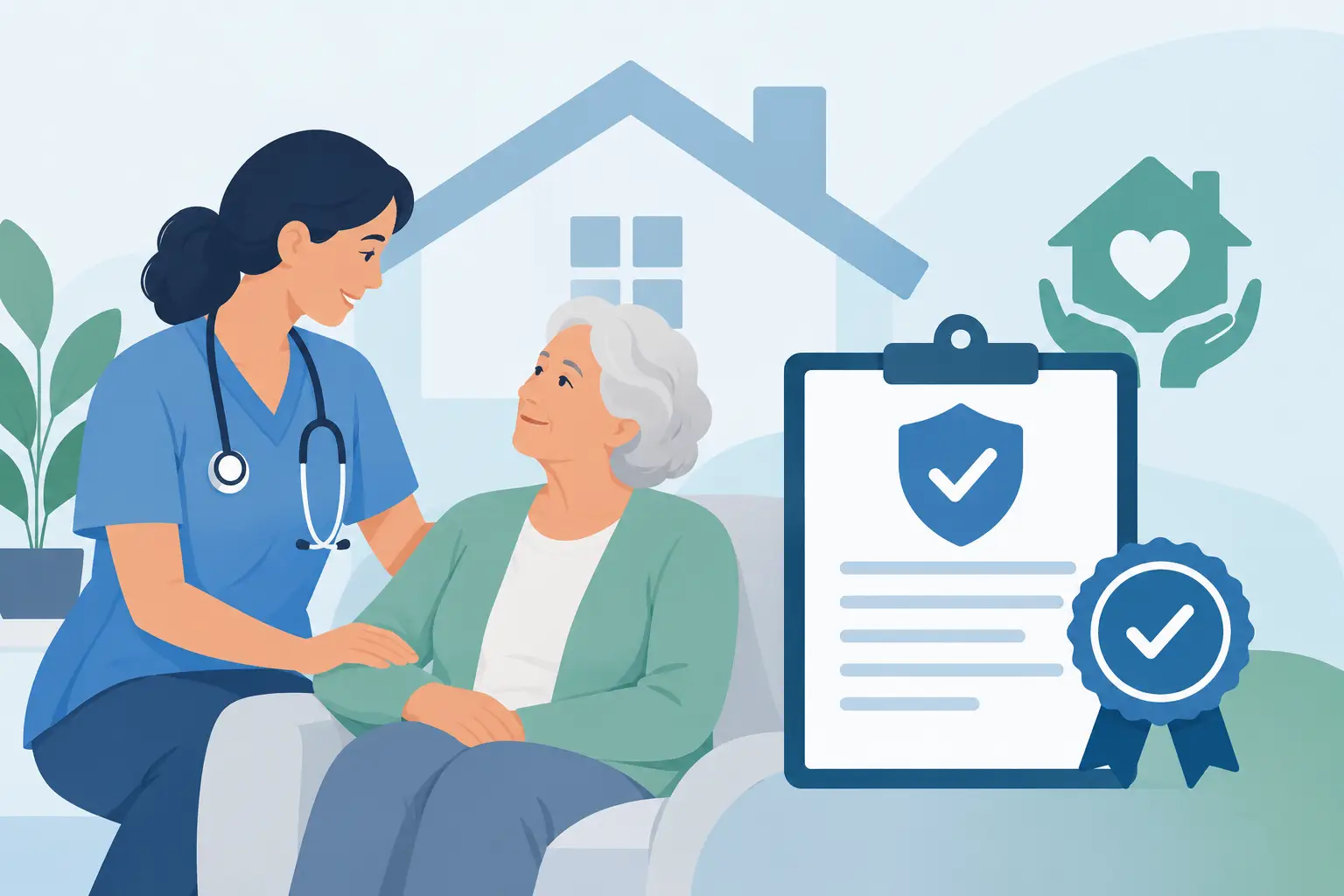
Not all services operate at the same standard. Patients should look for licensed, DHA-certified professionals, clear communication, transparent pricing, and a provider that knows when home care is appropriate and when hospital care is safer. Speed matters, but clinical judgment matters more.
A strong provider also makes the experience easy to navigate. Booking should be simple. Arrival times should be communicated clearly. Treatment plans should be explained in plain language. Follow-up should not feel like an afterthought.
For families who want responsive, clinically supervised home healthcare in Dubai, Your Choice Healthcare reflects what this service should feel like: professional, fast, and centered around patient comfort.
When someone at home needs medical attention, the best care is often the care you can access quickly, safely, and with confidence. That is the real value behind doctor on call services – they bring qualified medical support to your doorstep when waiting, traveling, or sitting in a crowded clinic is the last thing you need.