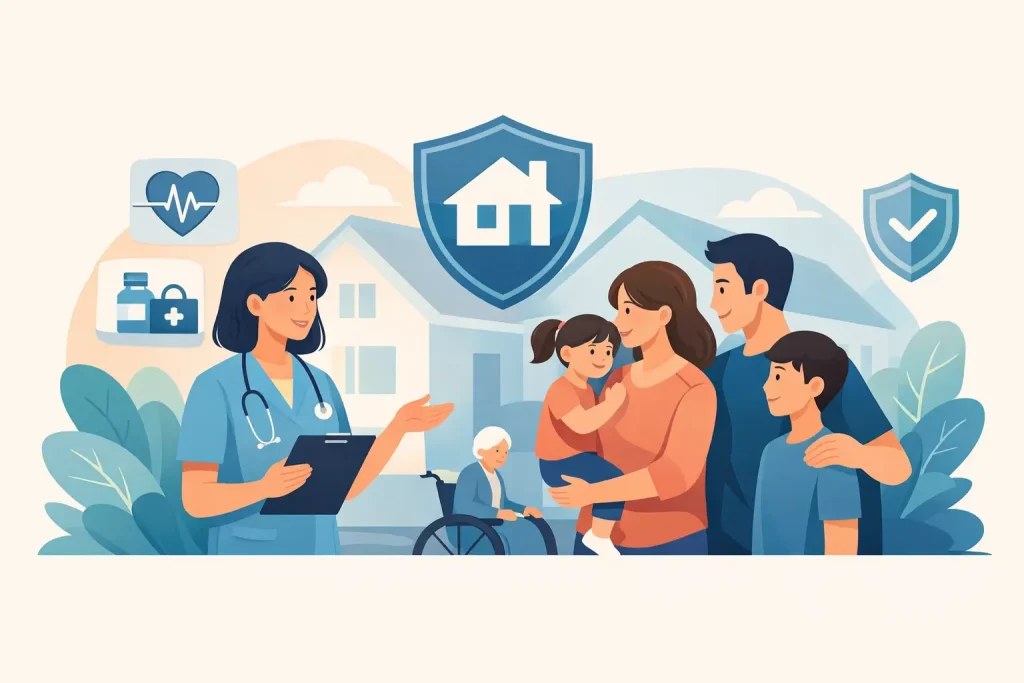
When a parent is recovering after surgery, a child has a fever late at night, or an older relative needs daily support, the question comes up fast: is home health care safe? For many families, the real concern is not just convenience. It is whether care at home can match the safety, professionalism, and clinical oversight they would expect in a medical setting.
The short answer is yes, home health care can be very safe when it is delivered by licensed professionals, backed by clear clinical protocols, and matched to the patient’s actual needs. But like any healthcare decision, safety depends on who is providing the care, what type of care is being given, and when care at home is appropriate versus when a hospital or clinic is the better choice.
Is home health care safe when compared with clinic care?
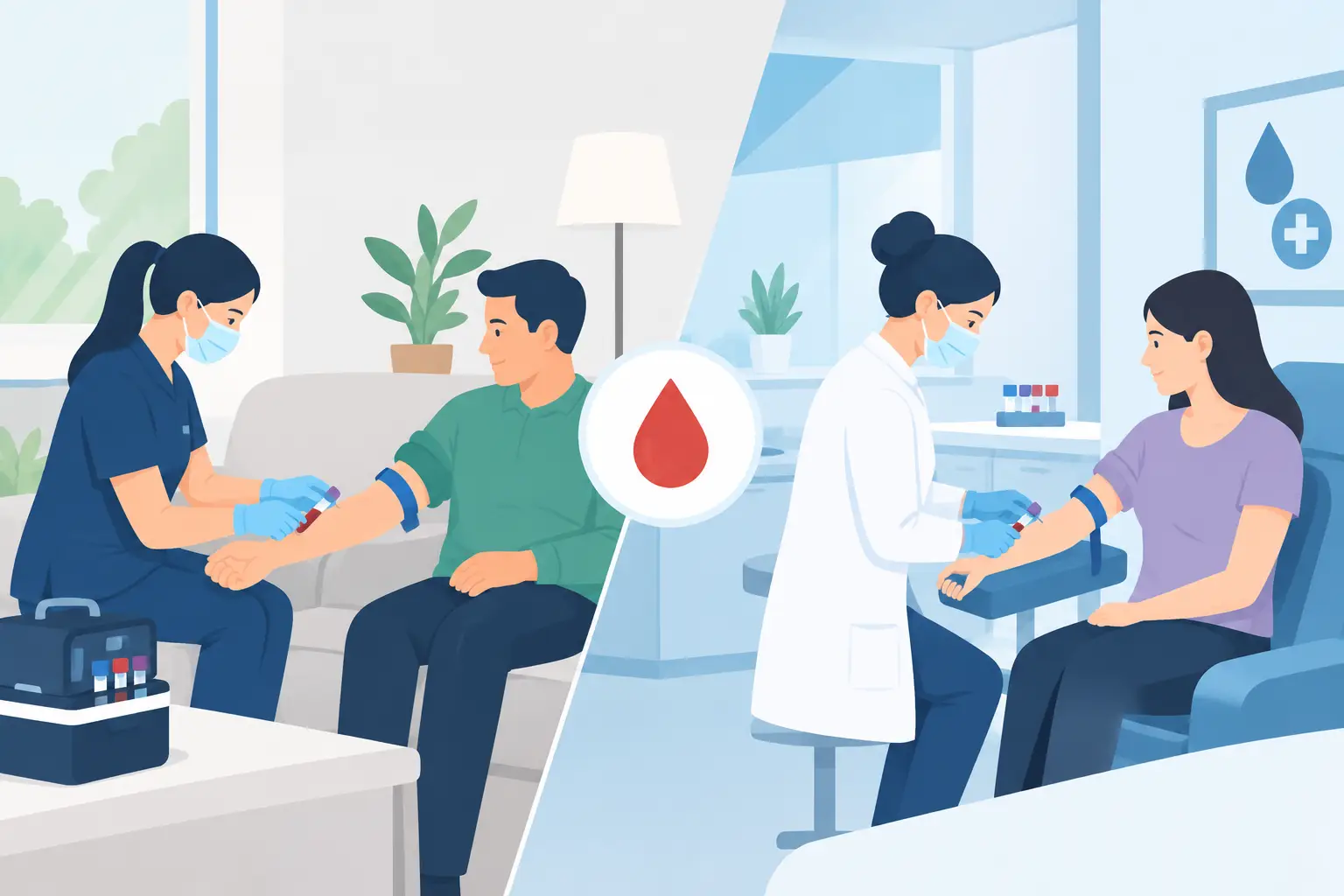
For many non-emergency needs, home health care is not only safe but often more comfortable and practical. A patient who needs wound care, medication support, physiotherapy, newborn care, elderly assistance, or a doctor visit for a non-life-threatening condition can often receive excellent care at home without the stress of travel, waiting rooms, or exposure to other sick patients.
That matters more than people sometimes realize. A familiar environment can reduce anxiety, help elderly patients stay oriented, and make recovery easier after illness or surgery. For families with young children, staying at home can also lower disruption and allow care to happen around real daily routines rather than around the logistics of getting to a facility.
Still, home care is not a replacement for every medical setting. Severe chest pain, stroke symptoms, major trauma, breathing distress, uncontrolled bleeding, or any condition that may require immediate imaging, surgery, or advanced emergency intervention needs hospital-level care. Safe home healthcare starts with honest triage.
What actually makes home health care safe?
Safety in home healthcare is not about the location alone. It comes from the systems behind the service.
Licensed and clinically trained professionals
The first safety checkpoint is the care team. Qualified doctors, nurses, therapists, and technicians should be properly licensed, trained for the services they provide, and able to recognize when a patient’s condition is changing. Credentials are not a formality. They are the foundation of safe care.
This is especially important for services like IV therapy, injections, post-operative nursing, wound dressing, newborn care, and elderly support, where technique, infection prevention, and clinical judgment matter every step of the way.
Clear protocols and infection control
A good home healthcare provider does not improvise. It follows structured protocols for hygiene, medication handling, patient assessment, vital monitoring, documentation, and escalation if needed.
Infection prevention is one of the biggest concerns families have, and rightly so. Safe providers use proper hand hygiene, personal protective equipment when needed, sterile or single-use supplies where appropriate, and safe disposal methods for sharps and medical waste. The home may feel informal, but the care itself should never be casual.
Proper patient assessment
Not every patient is a good fit for every at-home service. Safe care begins with assessing the patient’s symptoms, medical history, mobility, medications, and risk factors. If a provider sends someone to the home without asking the right questions first, that is a warning sign.
The best home healthcare services know when care can be delivered safely at home and when the patient should be referred to urgent care, a specialist, or the emergency room.
Communication with the family
Families are often part of the care environment, especially for elderly patients, children, or people recovering from procedures. Safety improves when clinicians explain what they are doing, what to watch for, and when to seek further help.
Good communication also reduces medication mistakes, confusion about follow-up, and missed warning signs after the visit ends.
Where home healthcare can be especially safe and effective
Some types of care are particularly well suited to the home setting.
Doctor home visits can be a safe option for non-emergency illnesses, follow-up reviews, chronic condition check-ins, and patients who have difficulty traveling. A home visit allows the physician to assess the patient in context, which can sometimes reveal useful details about mobility, living conditions, or caregiver needs.
Nursing care at home is also commonly safe when delivered by trained professionals. This includes medication administration, wound care, catheter care, post-surgical support, injections, and monitoring of recovery. Patients often benefit from one-on-one attention that can be harder to get in busier clinical environments.
Home physiotherapy is another strong example. For many patients, rehabilitation is safer and more relevant when done in the actual space where they move each day. A therapist can tailor exercises to the patient’s home layout, identify fall risks, and support gradual recovery in a realistic setting.
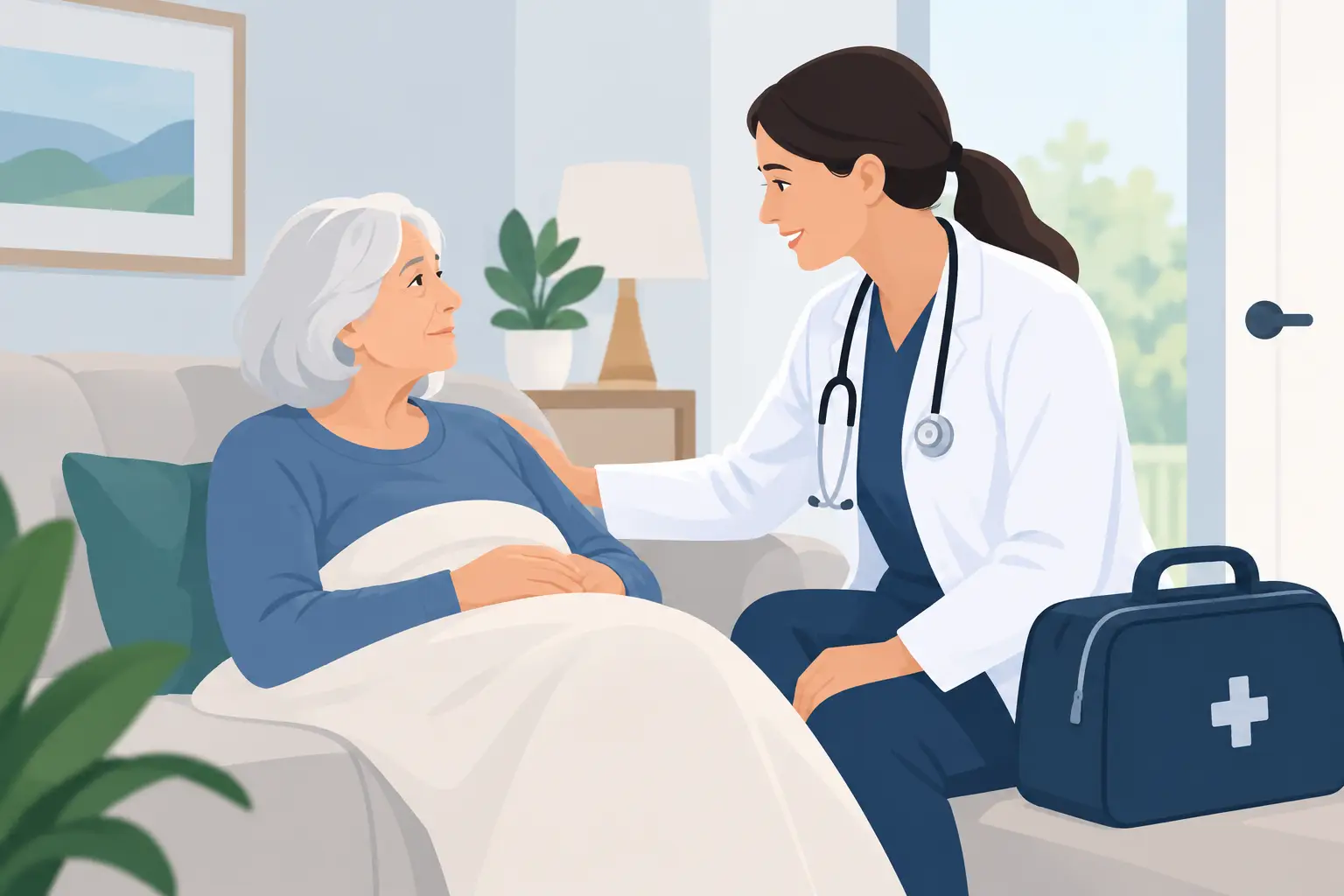
For elderly care, safety often improves because routines are maintained and the patient stays in familiar surroundings. That can reduce confusion, especially for seniors with memory issues, and lower the physical strain of repeated travel for basic support.
When families should be more cautious
Home healthcare is safe when the service matches the situation. Problems usually happen when people expect home care to do what only a hospital can do, or when they choose a provider based on speed alone without checking quality.
One area to watch carefully is urgent symptom changes. If a patient has new confusion, worsening shortness of breath, sudden weakness, severe dehydration, or signs of infection that are progressing quickly, home care may still play a role, but only after proper medical assessment. In some cases, immediate transfer to a higher-acuity setting is the safest move.
Another issue is overpromising. If a provider treats every case as suitable for home care without discussing limitations, that should raise concern. Safe providers are confident, but they are also realistic.
Families should also be careful with complex patients who need multiple specialists, advanced monitoring, or equipment that may not be feasible at home. Convenience matters, but not more than clinical fit.
How to choose a safe home healthcare provider
If you are asking is home health care safe, the more practical question may be: safe with whom?
Start by checking whether the provider uses licensed, certified professionals and whether the service is supervised clinically. Ask who will be coming to the home, what qualifications they have, and what happens if the patient gets worse during or after the visit.
It also helps to ask how the provider handles infection control, documentation, medication safety, and emergency escalation. These may sound like technical details, but they are exactly what separate a dependable medical service from a loosely organized convenience offering.
Response time matters too, especially for families seeking urgent but non-emergency care. Fast access is helpful, but speed should not replace assessment. A provider should be able to move quickly while still gathering enough information to send the right clinician with the right equipment.
In Dubai, families often look for care that combines convenience with strong medical standards. Providers such as Your Choice Healthcare are built around that expectation, offering in-home support through DHA-certified professionals, clinically guided care, and rapid response for patients who need treatment without leaving home.
Questions families should ask before booking
A quick conversation before the appointment can tell you a lot. Ask whether the service is appropriate for your specific condition, whether the clinician is licensed, what equipment or supplies will be brought, and what follow-up is recommended.
If the patient is elderly, recently discharged, managing a chronic illness, or taking multiple medications, mention that early. The more complete the clinical picture, the safer the care plan will be.
You should also ask what signs would mean the patient needs hospital care instead. A trustworthy provider will answer clearly and without hesitation.
The biggest safety advantage people overlook
One of the strongest safety benefits of home healthcare is continuity. When a patient receives care in the same environment where they rest, eat, take medications, and move around, clinicians can spot practical risks that would never appear in a short clinic visit.
That might include a fall hazard near the bed, confusion about medication timing, poor hydration, or a caregiver who needs better instructions. In that sense, home healthcare can offer a more complete picture of real-life recovery and daily health management.
That does not mean home is always better. It means home can be safer than many people assume when the care is professionally delivered, clinically appropriate, and responsive to the patient’s condition.
For families trying to balance comfort, speed, and medical quality, the safest choice is usually not the most dramatic one. It is the provider that knows when home care is right, when it is not, and how to support the patient with skill and clarity from the moment help is requested.