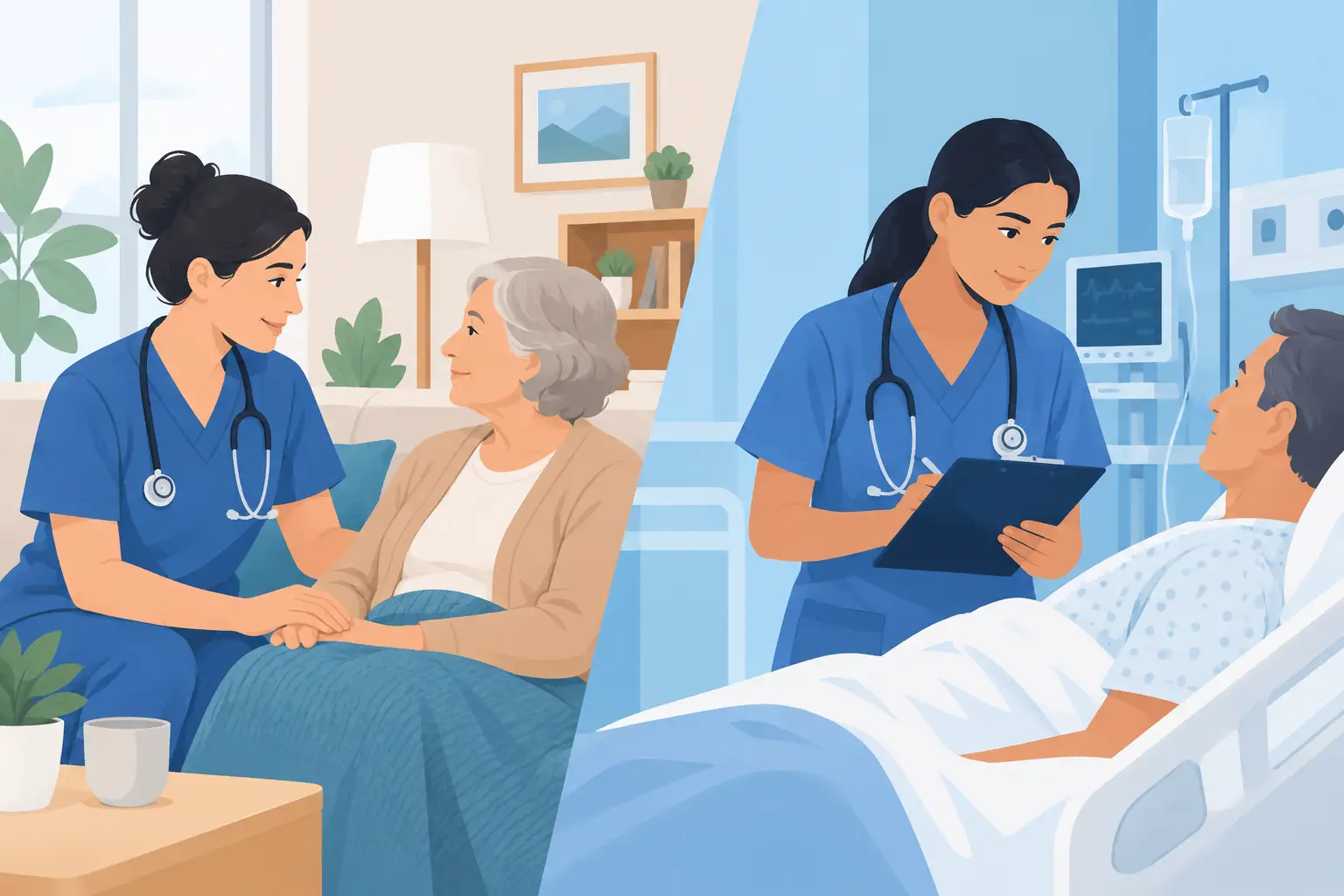
A fever that rises overnight, persistent fatigue before an important workweek, or an elderly parent who cannot comfortably travel can turn a simple test into a difficult task. Mobile diagnostics bring essential clinical assessment and sample collection to the home, so patients can begin getting answers without the stress of traffic, waiting rooms, or unnecessary exposure to illness.
For families in Dubai, home-based testing can be a practical part of care when it is delivered by trained healthcare professionals and guided by the patient’s symptoms, medical history, and physician recommendations. It is not a replacement for emergency care or every hospital service. It is a way to make many routine and follow-up diagnostic needs more accessible, comfortable, and timely.
What mobile diagnostics can mean for your care
Mobile diagnostics is a broad term for diagnostic services provided outside a clinic or hospital, often at a patient’s home, hotel, or workplace. Depending on the provider and the clinical need, it may include at-home blood sample collection, urine testing, vital-sign checks, certain rapid tests, and diagnostic procedures such as an ECG when clinically appropriate.
The value is not simply that a professional arrives at your door. It is that the process is organized around the patient. A qualified clinician can verify identity, explain preparation requirements, collect samples correctly, label and handle them according to protocol, and advise on the next step once results are available.
This matters most when convenience supports better follow-through. A person with diabetes may be more likely to complete requested blood work on time. A new parent may avoid taking an infant into a crowded waiting area. Someone recovering from surgery can arrange necessary testing while protecting their energy and mobility.
Common situations where home testing helps
Mobile diagnostic services are often requested for routine health monitoring, physician-ordered laboratory tests, pre-employment or wellness checks, and follow-up testing after treatment. They can also support families managing chronic conditions, where repeat testing may be needed over time.
For older adults, home collection can reduce the physical strain of travel and long waits. For busy professionals, it can make it easier to schedule a test around work rather than postponing it for weeks. For parents, it offers a calmer setting when a child is unwell or anxious about medical procedures.
Still, the right setting depends on the situation. Severe chest pain, breathing difficulty, loss of consciousness, signs of stroke, serious injury, uncontrolled bleeding, or rapidly worsening symptoms require emergency medical attention. Home diagnostics should never delay urgent hospital assessment.
How an at-home diagnostic appointment usually works
A reliable service begins before the clinician arrives. When booking, patients should share the type of test requested, any current symptoms, relevant medical conditions, medications, and whether a physician has given specific instructions. This helps the care team confirm whether home collection is suitable and what preparation is required.
Some tests require fasting, while others may need a sample at a specific time of day. Certain medications, supplements, exercise, or dehydration can affect results. Patients should not stop prescribed medication unless their physician specifically advises it, but they should tell the clinician what they are taking.
At the appointment, the healthcare professional should explain the procedure, answer practical questions, and use appropriate infection-control practices. For blood collection, this includes using sterile equipment and safely disposing of sharps. The sample should be clearly labeled and transported through the proper process for laboratory analysis.
Results are then shared through the provider’s established process or sent to the requesting physician, depending on the arrangement. A test result is valuable only when understood in context. A number outside a reference range does not automatically mean a serious condition, and a result within range does not always rule out a concern. Your symptoms, history, and clinical examination remain part of the picture.
Preparing your home and your family member
You do not need to turn your home into a clinic. A clean, well-lit area with a chair, table, and enough space for the clinician to work is usually sufficient. Have your identification, physician request if applicable, medication list, and any previous relevant results ready.
If the patient is a child, calm preparation helps. Explain that a healthcare professional is visiting to help them feel better and avoid promising that a procedure will not hurt. For an elderly relative or someone with memory challenges, having a family member present can help with medical history, consent, and reassurance.
It is also helpful to drink water before a blood draw unless fasting instructions or another clinical direction say otherwise. Good hydration can make sample collection easier, but it does not replace the need to follow the specific preparation instructions for your test.
Choosing a mobile diagnostics provider carefully
At-home healthcare should feel convenient, but it should not feel casual. The quality of collection, documentation, handling, and clinical communication can affect both your experience and the reliability of the diagnostic process.
Look for a provider that clearly identifies its licensed healthcare professionals and follows applicable health authority requirements. In Dubai, patients should expect care from appropriately qualified professionals and should feel comfortable asking who will attend, what their role is, and how samples will be managed.
Speed can be valuable, especially when you are concerned about a sick child or a vulnerable family member. However, fast service should still include a proper clinical check. A responsible provider will ask relevant questions rather than treating every request as identical. They should also be clear about service availability, expected arrival time, fees, test preparation, and how results will be communicated.
Privacy deserves the same attention. Health information shared during a home visit should be handled discreetly, and patients should know who can access results. If you are booking on behalf of a parent, spouse, or adult child, make sure consent and communication preferences are respected.
When mobile diagnostics are not enough
Home testing is useful, but it has limits. Some scans, imaging studies, advanced monitoring, and procedures require specialized equipment and a clinical facility. In other cases, a physician may need to examine the patient in person at a clinic or recommend hospital observation.
There is also a difference between collecting a sample and diagnosing a condition. A laboratory report provides information. Clinical diagnosis may require a doctor’s assessment, repeat testing, imaging, or consultation with a specialist. This is especially true when symptoms persist despite normal results, or when a result is unexpected.
Be cautious about ordering broad panels without medical guidance simply because they are available. More testing can occasionally create confusing findings that need further investigation but may not be clinically meaningful. The most useful tests are the ones selected for a clear reason: symptoms, a known condition, preventive screening needs, or a physician’s treatment plan.
A practical option for care that fits real life
For many households, the biggest barrier to testing is not willingness. It is the effort required when someone is unwell, busy, caring for children, recovering from treatment, or unable to travel easily. Mobile diagnostics can remove that barrier while keeping the process professional and clinically guided.
Your Choice Healthcare supports patients in Dubai with responsive, personalized home healthcare, including diagnostic support arranged around your needs. Whether you are managing a routine test or seeking guidance during an illness, the right first step is to share your symptoms and requirements clearly so the care team can recommend the appropriate service.
When health questions arise, timely testing can bring clarity. Choose care that respects both the clinical details and the reality of life at home, then make room to act on the results with the right medical guidance.