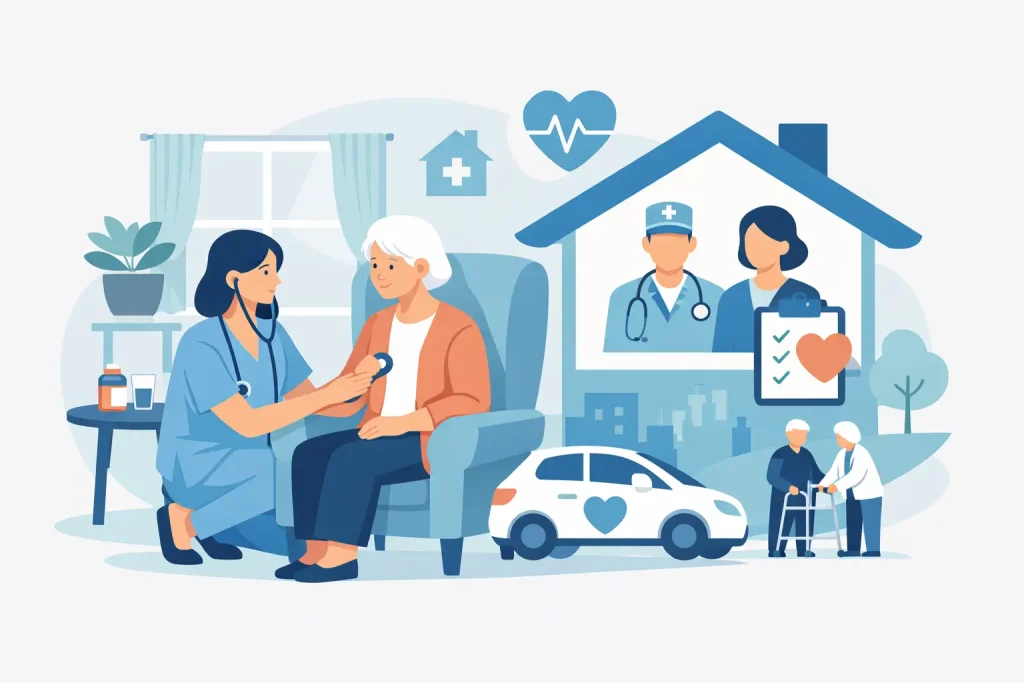
When a parent develops a fever late at night, an elderly family member needs daily nursing support, or a recovering patient is too weak for another clinic trip, the same question comes up fast: what are home healthcare services, and can they handle this safely at home?
Home healthcare services are professional medical and wellness services delivered in the patient’s home instead of a clinic or hospital. Depending on the provider, that can include doctor visits, nursing care, physiotherapy, lab sample collection, IV therapy, elderly care, newborn care, and recovery support. The goal is simple – bring qualified, clinically supervised care to the patient without adding the stress of travel, waiting rooms, or unnecessary disruption.
For many families in Dubai, that convenience is not just a preference. It can be the difference between delaying care and getting help quickly.
What are home healthcare services in practical terms?
In practical terms, home healthcare means a licensed clinician comes to you, assesses the patient, provides treatment, and guides the next step from the home setting. Sometimes that is a one-time visit for an urgent issue. Sometimes it is part of a longer care plan after surgery, illness, childbirth, or age-related decline.
The biggest misunderstanding is that home healthcare is only for seniors or only for people with serious illness. In reality, it covers a much wider range of needs. A child with flu symptoms, an adult who needs IV support, a stroke patient working on speech recovery, or a new mother needing newborn assistance may all benefit from care at home.
That said, home healthcare is not a replacement for emergency care in every situation. If someone has chest pain, severe breathing difficulty, signs of stroke, heavy bleeding, or any life-threatening condition, hospital-based emergency treatment is still the right move. Good home healthcare works best when providers understand that boundary clearly and act quickly.
What services are usually included?
The exact scope depends on the provider, but strong home healthcare services usually combine medical treatment with recovery and daily support.
A doctor on call can assess common acute illnesses, review symptoms, prescribe treatment when appropriate, and advise whether home management is safe. This is often helpful for fever, infections, dehydration, minor respiratory illness, stomach issues, or general weakness when the patient needs fast evaluation without leaving home.
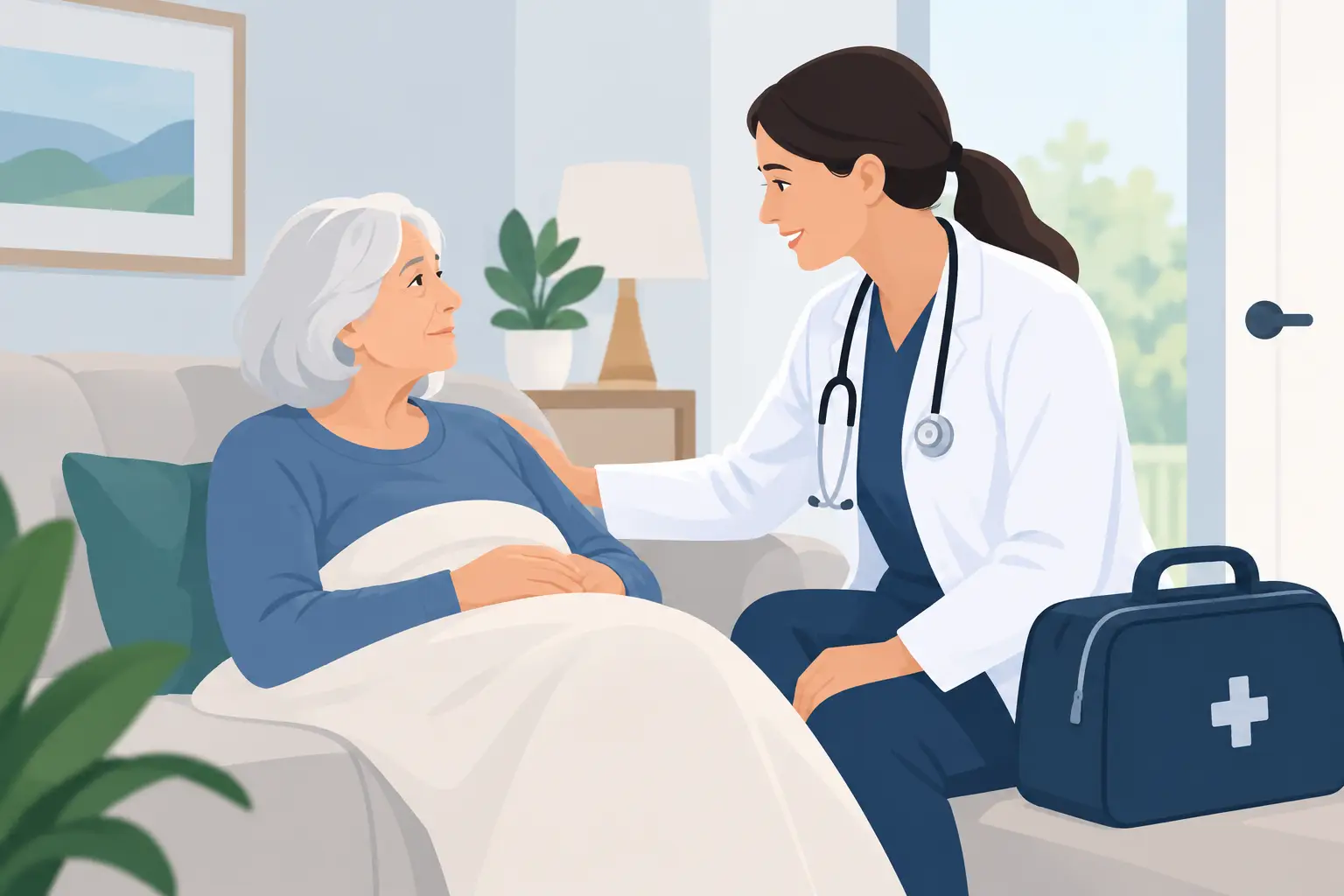
Nurse at home services often cover medication administration, wound care, injections, vital sign monitoring, cannula care, post-operative support, and ongoing chronic condition management. For families caring for an older adult or a patient after discharge, this kind of hands-on support can make home recovery much more manageable.
Therapy services also matter. Home physiotherapy can help with mobility, pain management, post-surgical rehabilitation, sports injury recovery, and strengthening after prolonged illness. Speech therapy at home may support children with communication challenges or adults recovering from neurological events such as stroke.
Some providers also offer IV therapy, which can be appropriate for hydration, physician-directed medication support, or wellness-focused services in selected cases. This is one area where clinical oversight matters a lot. Not every patient is a good fit for IV treatment, and not every symptom should be treated with a drip. Responsible providers assess first and treat second.
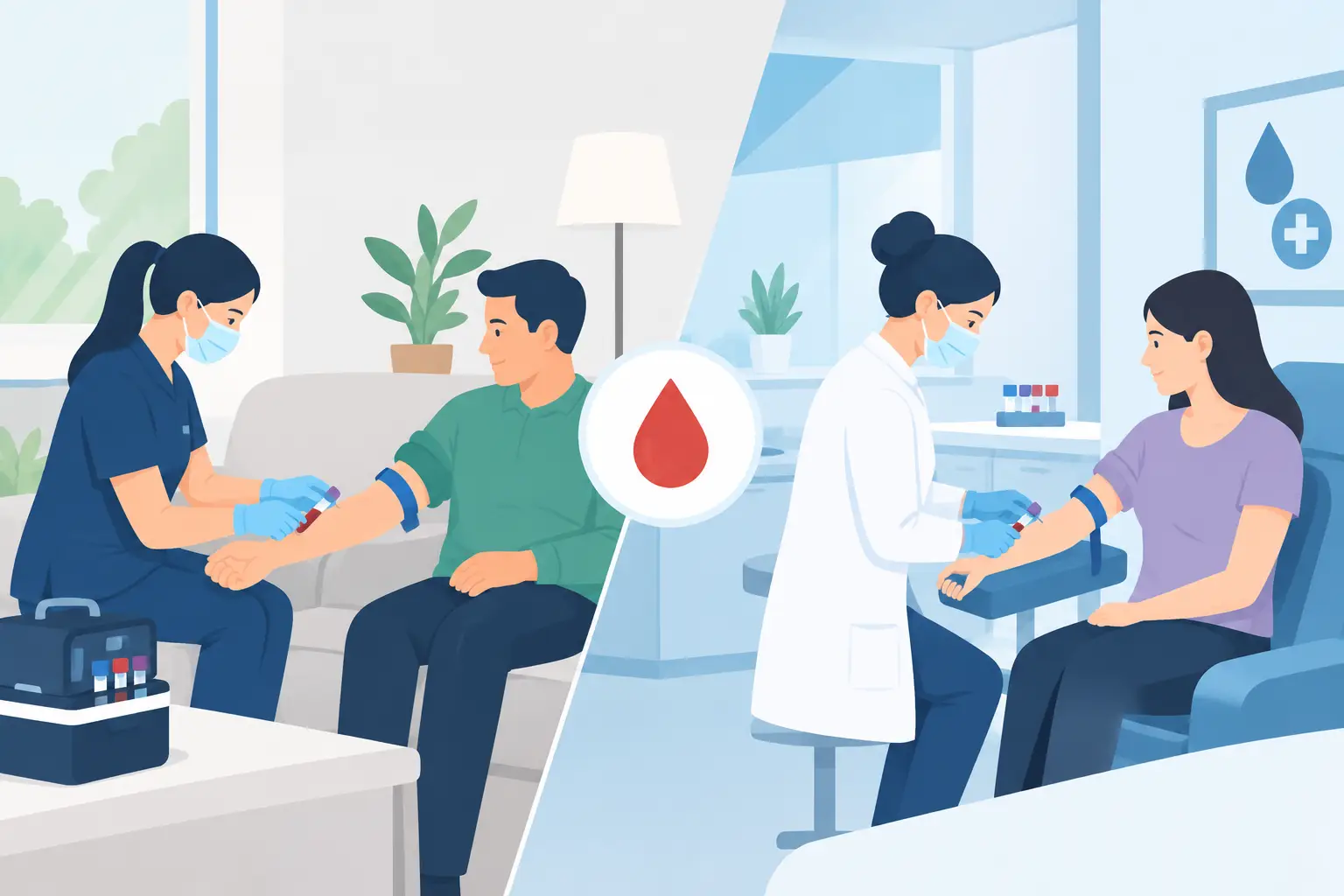
Lab testing at home is another major part of the model. Instead of traveling to a facility, patients can have samples collected at home for routine tests, follow-up monitoring, or physician-requested diagnostics. For busy professionals, young children, and elderly patients, that convenience can remove a real barrier to timely testing.
Then there are longer-term care services such as elderly care and newborn care. These are often less about one urgent episode and more about consistency, safety, and comfort over time.
Who benefits most from home healthcare?
Home healthcare is especially valuable for people who need real medical support but do not need hospital admission. That includes post-surgery patients, older adults with limited mobility, families managing chronic conditions, parents with newborns, and professionals who want timely care without losing half a day to travel and waiting.
For elderly patients, the benefit often goes beyond convenience. Home is familiar. Routines stay intact. There is less physical strain, less confusion, and often better cooperation with treatment. When nursing, rehabilitation, or physician review can happen in that familiar setting, care can feel more humane as well as more practical.
For parents, home healthcare can reduce the stress of moving a sick child across the city, especially when symptoms are uncomfortable but not severe enough for emergency care. For mothers and newborns, in-home support can be particularly helpful during the first days and weeks, when rest, guidance, and close observation matter.
For patients recovering from surgery or illness, home services can support continuity. That means less missed follow-up care, better adherence to treatment plans, and a smoother transition from hospital to home.
The difference between home healthcare and home care
People often use these terms as if they mean the same thing, but they are not identical.
Home healthcare usually refers to medical or clinically supervised services provided by licensed professionals such as doctors, nurses, physiotherapists, or therapists. It involves assessment, treatment, monitoring, and recovery support.
Home care can sometimes refer to non-medical help with daily living, such as companionship, grooming, meal support, or mobility assistance. In some cases, providers offer both. The key is to ask whether the service is medical, non-medical, or a blend of the two.
That distinction matters because families often think they need simple assistance, only to realize the patient also needs wound care, medication monitoring, or rehabilitation. On the other hand, some families request medical visits when what they really need is ongoing caregiving support. The best providers help clarify this early.
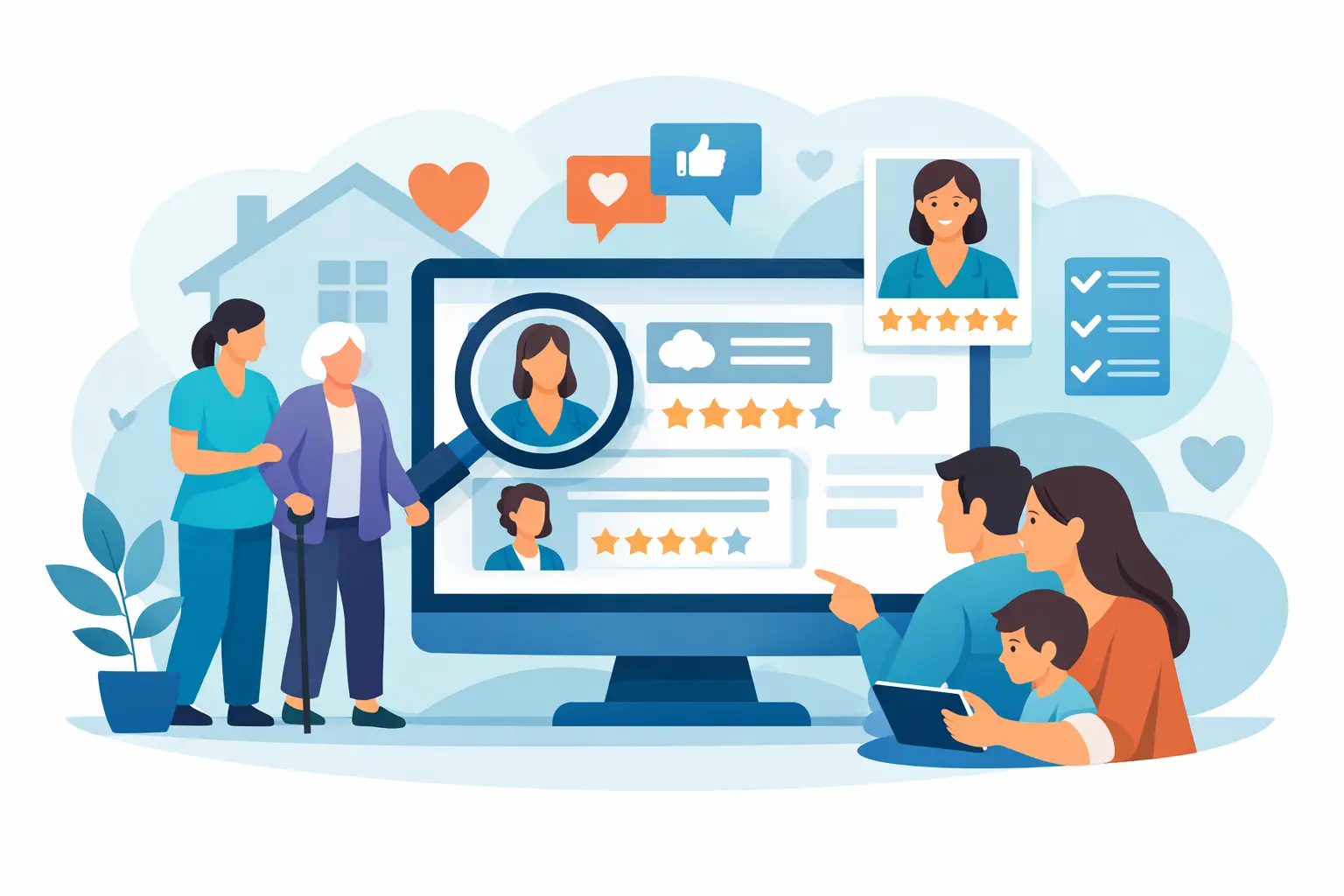
What to look for when choosing home healthcare services
Trust should come before convenience. Speed matters, but only when it is backed by qualified care.
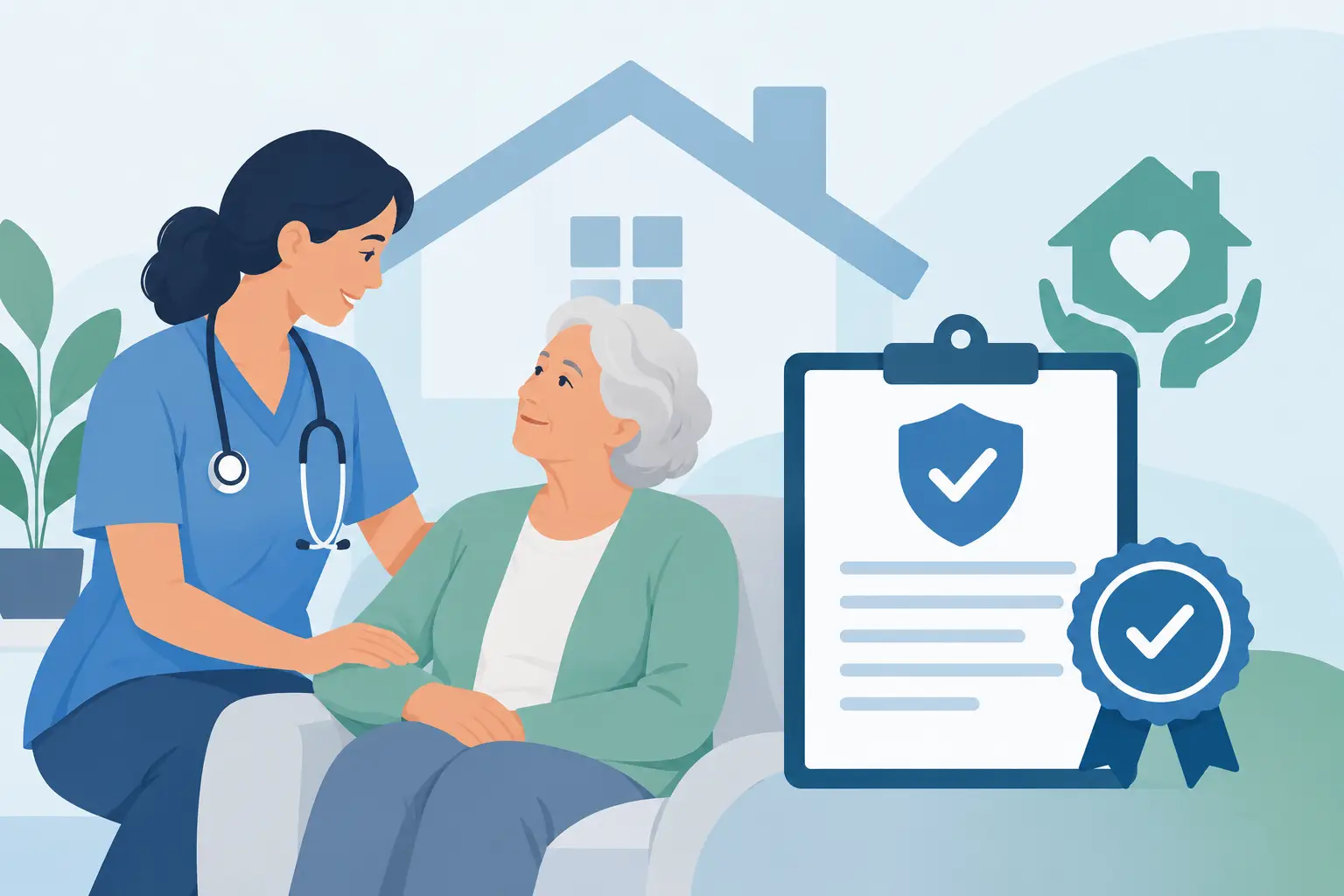
Start with licensing and clinical credentials. Families should know who is coming into the home, what they are certified to do, and whether the care is supervised properly. Clear communication is another strong sign. You should be able to understand what service is being provided, how urgent it is, what outcomes to expect, and when escalation is necessary.
Response time matters too, especially for urgent but non-emergency needs. If a provider promises rapid support, that process should be organized, realistic, and easy to access. The booking experience should feel simple, not confusing.
It also helps to choose a provider with a broad service range. That way, if a patient begins with one need – such as a doctor visit – they can move smoothly into nursing, therapy, diagnostics, or longer-term support without starting over with a different team.
This is one reason many families in Dubai choose providers such as Your Choice Healthcare. They want medically credible, DHA-certified professionals who can respond quickly, treat patients comfortably at home, and continue supporting recovery beyond the first visit.
When home healthcare is the right choice – and when it is not
Home healthcare is a strong choice when the patient is stable enough to be treated at home, the condition can be assessed safely outside the hospital, and the required service can be delivered by a qualified clinician in that setting.
It may not be the right choice when advanced imaging, intensive monitoring, surgery, or emergency intervention is needed. This is where honest clinical judgment matters. A reliable home healthcare provider will not try to force every case into a home visit. They will recognize when hospital care is the safer path.
That balance is what makes the model work. Home healthcare is not about replacing hospitals. It is about delivering the right level of care in the right place, with less friction for the patient and family.
Why more families are choosing care at home
The shift toward home-based care is not only about comfort. It reflects how people want healthcare to work now – fast, personal, and easier to fit into real life.
Families want less waiting, less transport stress, and more one-to-one attention. Patients often feel more relaxed at home, which can make assessment and recovery easier. Caregivers appreciate being part of the process, asking questions in real time, and seeing exactly how treatment fits into the patient’s everyday environment.
For many people, that is the real answer to what are home healthcare services. They are not just a list of treatments brought to your door. They are a more responsive way to receive professional care when leaving home is difficult, disruptive, or simply unnecessary.
The best home healthcare feels both clinical and personal. It protects safety without sacrificing comfort. And when the right team arrives at the right time, home can become one of the most effective places to begin feeling better.