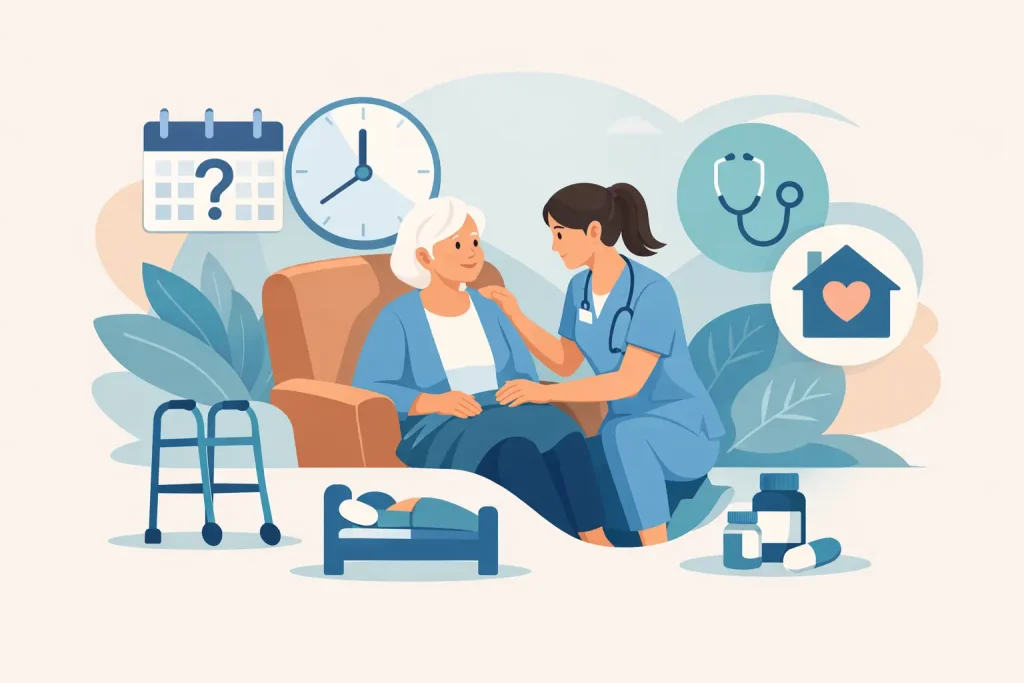
A loved one has just come home after surgery. A parent is struggling to manage medications. A newborn needs extra support, or a fever is making it difficult to leave the house. Knowing when to book home nursing helps families act early, receive professional guidance, and avoid turning a manageable health need into a stressful situation.
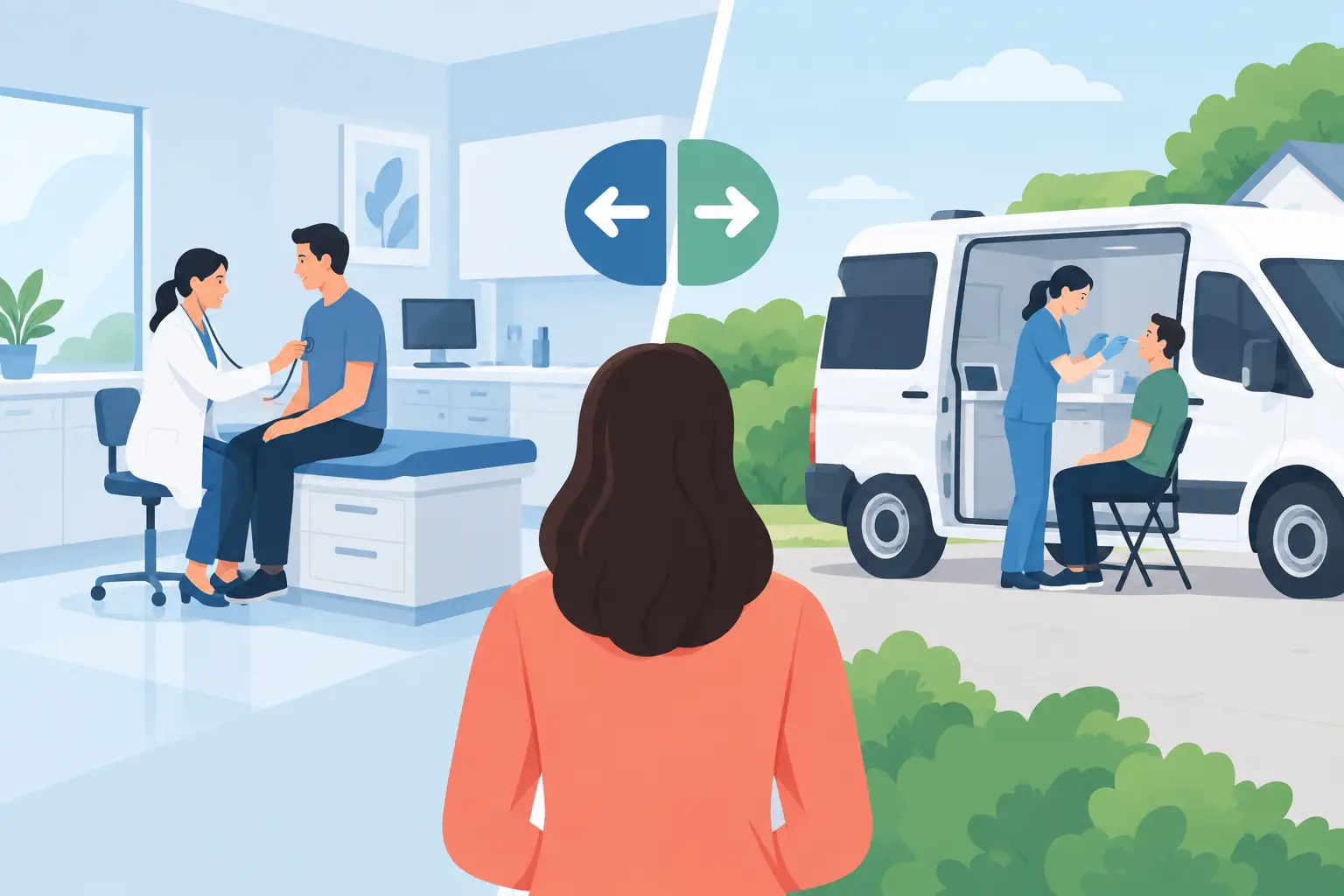
Home nursing is not only for patients with complex medical conditions. It can provide practical, clinically supervised support for recovery, ongoing care, and health needs that are better managed in the comfort of home. For many Dubai families, it is also a sensible alternative to repeated clinic visits when mobility, time, or caregiving responsibilities make travel difficult.
When to Book Home Nursing for Recovery
The days after a hospital discharge often require more attention than families expect. A patient may be medically stable enough to return home but still need help with wound care, injections, mobility, pain-management routines, or monitoring for changes in their condition.
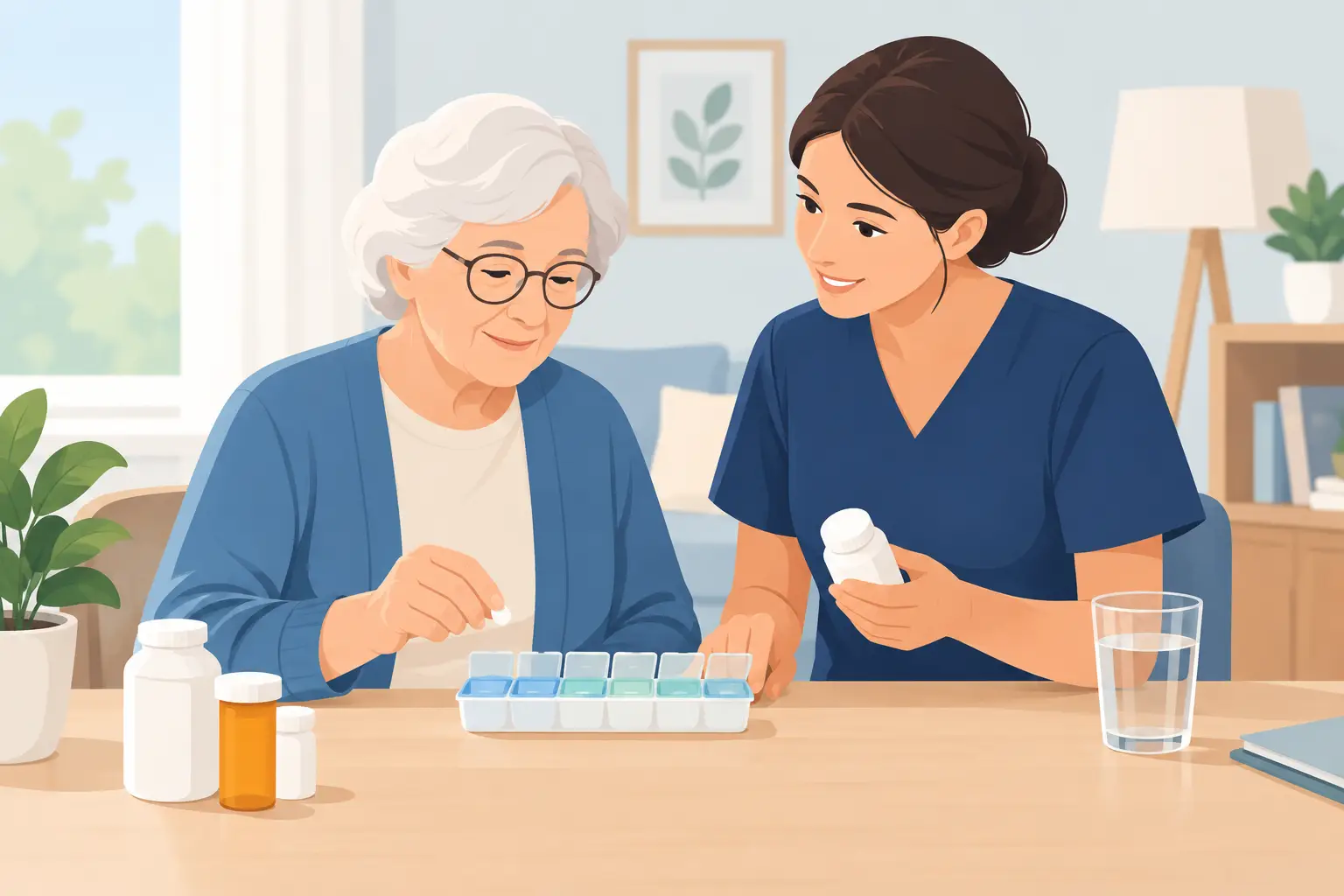
Booking a nurse at home can be especially helpful after surgery, an injury, or a period of hospitalization. A qualified nurse can follow the treating physician’s instructions, assess the patient’s progress, support medication adherence, and help family members understand what care needs to happen between follow-up appointments.
This does not replace the surgeon or specialist overseeing recovery. Instead, it gives the patient a safer, more supported bridge between hospital care and everyday life. It can also reduce the pressure on family members who want to help but are unsure how to handle medical tasks correctly.
Home nursing may be appropriate when a patient needs regular dressing changes, injections, catheter care, stoma care, vital-sign monitoring, or assistance with prescribed treatment. The right schedule depends on the patient’s condition. Some people need one visit for a specific procedure, while others benefit from daily or longer-term support.
Signs It Is Time to Arrange Nursing Care at Home
Many families wait until they feel overwhelmed before asking for help. It is usually better to arrange care when the need first becomes clear, particularly when treatment instructions are detailed or the patient’s condition requires close observation.
Consider booking home nursing if any of these situations apply:
- A patient has been discharged from the hospital and needs skilled support with a care plan at home.
- Medication, injections, wound dressing, or other clinical tasks are becoming difficult to manage safely.
- An elderly relative has reduced mobility, frequent health concerns, or needs regular monitoring and personal support.
- A family caregiver is exhausted, unavailable during key hours, or worried they may miss an important change in the patient’s condition.
- A patient’s recovery is being slowed by pain, weakness, poor mobility, or difficulty attending appointments outside the home.
The goal is not to hand over family involvement. Good home nursing supports the family around the patient. It gives everyone a clearer routine, professional reassurance, and the confidence that clinical tasks are being handled by trained staff.
When to Book Home Nursing for Elderly Parents
Older adults often want to remain in their own homes, surrounded by familiar routines and people. With the right level of support, that can be possible even when health needs become more demanding.
Home nursing can help when an elderly parent is living with diabetes, high blood pressure, limited mobility, dementia-related care needs, or recovery after a fall or illness. Regular visits can support medication routines, hygiene, nutrition guidance, mobility assistance, and monitoring of general wellbeing. For family members living in another part of Dubai, traveling frequently, or balancing work and childcare, this support can bring meaningful peace of mind.
However, the level of care should match the patient’s needs. A person who only requires occasional injections or health checks may not need continuous nursing support. Someone with complex conditions, frequent falls, significant confusion, or intensive personal-care needs may require a more structured elderly care plan. A professional assessment can help determine the most appropriate arrangement.
Support for New Mothers, Babies, and Busy Families
The first weeks with a newborn can be joyful and exhausting at the same time. New parents may need help after a difficult delivery, a cesarean section, or when a baby requires closer observation and feeding support. Home nursing can provide practical clinical care while allowing mother and baby to remain in a calm, familiar setting.
For mothers, support may include postnatal monitoring, wound care, medication guidance, and recovery assistance. For newborns, care may involve basic health observation and professional guidance for parents who have concerns about feeding, hygiene, or general wellbeing. The service should always be tailored to the family’s needs and follow the advice of their doctor or pediatrician.
Home nursing also suits households where several responsibilities are happening at once. A child may be unwell while a parent is recovering, or a family may need a nurse to help an older relative while they manage work commitments. In these moments, care at home can be less disruptive than arranging multiple clinic visits.
What a Home Nurse Can and Cannot Do
A professional home nurse can provide a broad range of services based on the patient’s medical needs and physician instructions. This may include vital-sign monitoring, medication administration, wound care, injections, IV-related support where clinically appropriate, specimen collection, mobility support, and health education for caregivers.
Before the visit, be ready to share the patient’s diagnosis, recent discharge notes, medication list, allergies, and any instructions from their physician. Clear information helps the care team prepare properly and assign the right professional for the situation.
At the same time, home nursing is not the right response to every concern. A nurse can assess and escalate issues, but emergencies require immediate emergency medical services. Do not wait for a home visit if a patient has severe chest pain, difficulty breathing, signs of stroke, uncontrolled bleeding, loss of consciousness, seizures, or a sudden, serious decline in condition.
Choosing the Right Time and Type of Visit
The best time to book is often before the first urgent need arises. If a hospital discharge is planned, arranging home nursing in advance can make the first day home much easier. If an elderly parent’s health is gradually changing, starting with an assessment or scheduled visit can prevent care from becoming reactive.
For one-time needs, such as an injection, dressing change, or blood test support, a single visit may be enough. For post-surgery recovery, chronic conditions, or elderly care, regular visits may provide better continuity. Ask how often the nurse will visit, what is included in the service, what information you should prepare, and when the nurse will recommend contacting a doctor.
In Dubai, availability matters as much as expertise. Choose a provider that can respond promptly, communicate clearly, and send qualified professionals who understand the importance of privacy and compassionate bedside care. Your Choice Healthcare provides DHA-certified nursing support at home, with care plans designed around the patient’s condition, schedule, and physician guidance.
Comfort Should Not Mean Compromising on Care
Home is often where patients rest better, eat more comfortably, and feel most supported by the people around them. Professional nursing brings structure to that environment without making the patient feel as though their life has been placed on hold.
If you are unsure whether care is needed, pay attention to the small changes: a missed medication, a wound that is hard to manage, an older parent who is less steady on their feet, or a recovery that feels harder than expected. Booking support early can give your family the time, clarity, and confidence to focus on what matters most – helping your loved one heal safely at home.