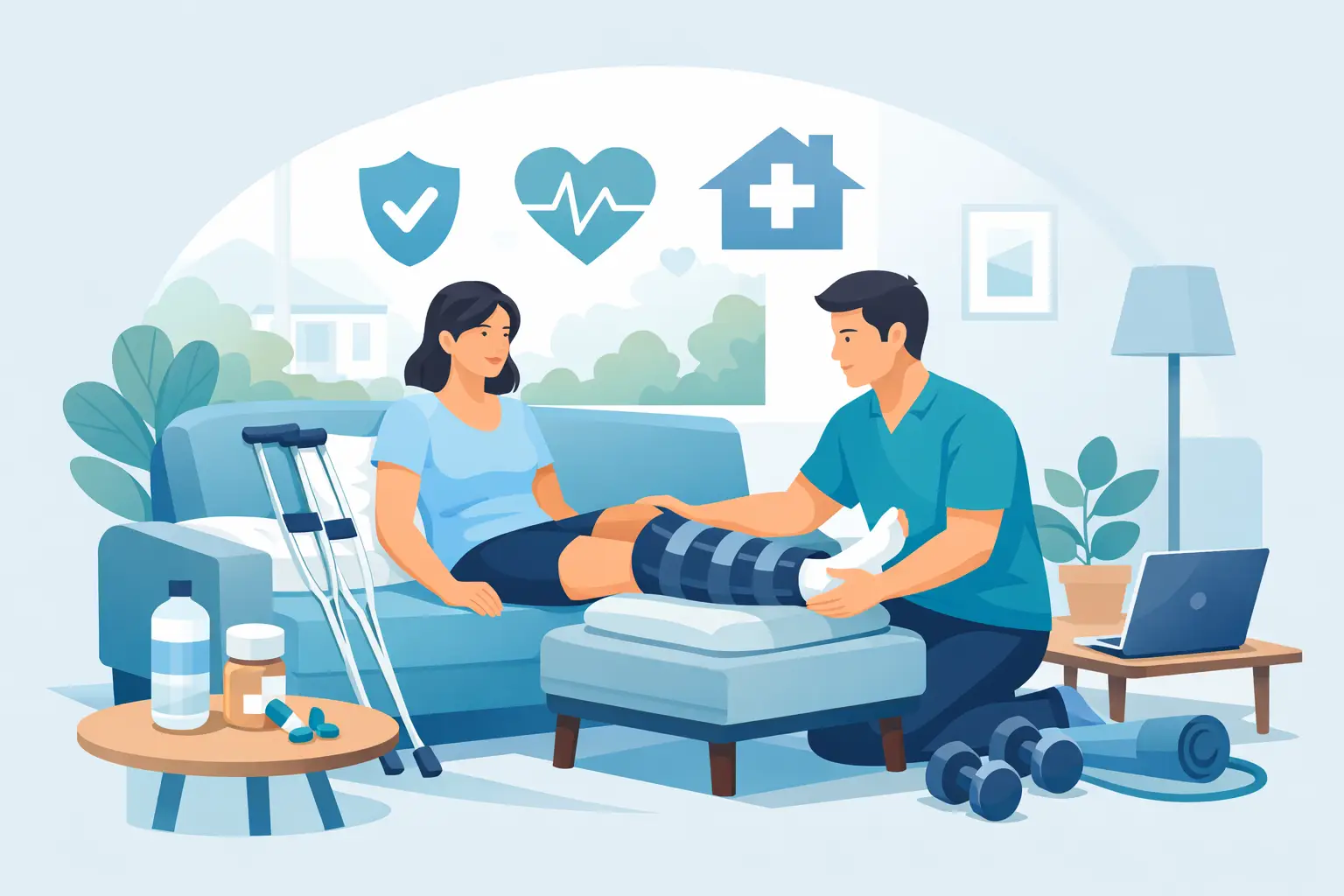
A fever at midnight, a parent recovering after surgery, a newborn who will not settle, or an elderly relative who needs regular support can make a clinic visit feel like one more burden. The best home care options bring qualified medical attention to your door while keeping the patient comfortable, observed, and supported in familiar surroundings.
For families in Dubai, home healthcare can range from a one-time doctor visit to a structured recovery plan involving nursing, rehabilitation, diagnostics, and long-term elderly care. The right choice depends on the patient’s condition, the level of clinical support needed, and how quickly care is required.
What are the best home care options?
The best home care option is not always the most extensive service. It is the one that gives the patient the right level of professional support at the right time. A person with a new cough may need an in-home doctor assessment, while someone discharged after surgery may need wound care, medication support, and physiotherapy over several weeks.
Home care works especially well when travel is difficult, when a patient benefits from rest, or when a family needs a clinician to assess the home environment as part of care. It can also reduce the stress of waiting rooms for young children, older adults, and people with limited mobility.
Doctor on call for timely medical assessment
A doctor on call is often the starting point when symptoms are new, worsening, or difficult to judge at home. An experienced physician can assess concerns such as fever, flu-like symptoms, stomach pain, dehydration, infections, minor injuries, medication side effects, and chronic-condition flare-ups.
The value is not simply convenience. A home visit allows the doctor to evaluate the patient in context, speak with family members, review medications available in the home, and recommend the next step. That may include treatment at home, a lab test, a referral to a specialist, or urgent hospital care.
Home doctor visits are suitable for non-emergency concerns. Chest pain, severe breathing difficulty, signs of stroke, major bleeding, loss of consciousness, or a serious accident require emergency services immediately.
Nurse at home for clinical support and continuity
Home nursing is one of the most flexible options for patients who need hands-on clinical care but do not need to stay in a hospital. A qualified nurse can support medication administration, injections, IV treatment as prescribed, wound dressing, catheter care, blood pressure and blood sugar monitoring, post-operative care, and general patient observation.
This service is particularly helpful after discharge. Hospital instructions can be difficult to manage when a family is tired and concerned about making a mistake. A nurse can help maintain the care plan, identify changes that should be reported to a physician, and give families more confidence between follow-up appointments.
The duration of nursing support should match the patient’s needs. Some patients need a single visit for an injection or dressing change. Others benefit from daily, overnight, or longer-term support. Ask how the provider documents care and communicates with the patient’s doctor, especially when multiple clinicians are involved.
Home physiotherapy for safer recovery
After orthopedic surgery, a stroke, prolonged bed rest, sports injury, or recurring back and joint pain, home physiotherapy can help patients regain movement without the strain of traveling to appointments. A physiotherapist can assess mobility, pain, balance, strength, and the practical barriers within the home.
Recovery is rarely only about completing exercises. A good home physiotherapy plan considers whether the patient can safely get out of bed, walk to the bathroom, manage stairs, or move around without falling. The therapist may teach family members how to provide support safely while building a program that progresses at an appropriate pace.
Home therapy is often a strong choice for older adults and post-surgery patients, but consistency matters. Progress depends on a clear plan, regular sessions when needed, and realistic exercises the patient can continue between visits.
Speech therapy when communication or swallowing changes
Speech therapy at home may be needed after stroke, neurological illness, developmental concerns, or injury. It can support speech clarity, language, voice, cognitive communication, and swallowing safety.
For many patients, the home setting is useful because therapy can be connected to everyday activities and conversations. A speech therapist may work with family members on practical strategies that make communication less frustrating and mealtimes safer. The plan should be personalized, with clear goals that are reviewed as the patient progresses.
Elderly care that protects comfort and dignity
Elderly care is not a single service. Some older adults need companionship and help with daily routines, while others require nursing oversight for chronic conditions, mobility limitations, memory concerns, or medication management. The most appropriate care level should be based on a clinical assessment, not assumptions about age alone.
A thoughtful plan can include wellness checks, vital-sign monitoring, mobility support, personal care assistance, nutritional observation, and coordination with family. For relatives who cannot be present all day, regular professional support can offer reassurance without taking away a loved one’s independence.
When choosing elderly care, ask how caregivers are matched to the patient, how changes in condition are escalated, and whether licensed clinicians supervise medical tasks. Familiarity matters, but safety and clinical accountability matter just as much.
Newborn and maternal support at home
The first weeks after birth can be rewarding and exhausting at the same time. Newborn care at home can give parents practical support with feeding routines, hygiene, weight monitoring, sleep guidance, and general newborn wellness. It may also help mothers who are recovering from delivery and need time, rest, and professional reassurance.
Parents should look for care that respects their pediatrician’s guidance and explains when a baby needs medical assessment. A newborn with breathing changes, poor feeding, unusual sleepiness, a high fever, or signs of dehydration needs prompt medical attention.
Lab testing and IV therapy for convenient follow-up
Home lab testing can make it easier to complete physician-recommended blood work without rearranging work, childcare, or recovery time. It is useful for routine health monitoring, pre-treatment checks, and follow-up testing for ongoing conditions. The quality of the result depends on proper sample collection, labeling, transport, and reporting, so choose a provider with clear clinical processes.
IV therapy at home may be appropriate when prescribed or clinically indicated, such as for hydration, vitamins, or medication administration. It should never be treated as a casual wellness add-on. A qualified clinician should review the patient’s health history, allergies, symptoms, and suitability before treatment, particularly for people with heart, kidney, or chronic medical conditions.
How to choose among home care options
Start with the question: what does the patient need today? If there are new symptoms or uncertainty about the diagnosis, begin with a doctor. If the treatment plan is already clear and requires clinical tasks, nursing may be the right next step. If the main challenge is restoring function after illness or surgery, physiotherapy or speech therapy may be more appropriate.
Then consider the intensity of support. A one-time visit may be enough for a simple concern, but recovery care often benefits from scheduled follow-up. It is reasonable to ask what improvement should look like, how often visits are recommended, and what signs mean the plan should change.
Credentials should be non-negotiable. Ask whether physicians, nurses, and therapists are licensed to practice in Dubai and whether care is delivered according to DHA requirements. Families should also confirm what information will be recorded, who can access it, and how the provider handles urgent concerns outside regular appointment hours.
Speed matters, but it should not replace assessment. Fast response is valuable when a patient needs help promptly, yet the provider should still explain what the service includes, who is coming to the home, and whether the concern is appropriate for home care. Clear answers are a sign of responsible care.
Building a practical care plan at home
The most effective home care arrangements are built around communication. Keep a current list of medications, allergies, diagnoses, recent test results, and the contact details of the patient’s regular doctor. Before each visit, note changes in symptoms, appetite, sleep, pain, mobility, or mood. These details help clinicians make better decisions.
Prepare a quiet, clean space for the visit when possible. For therapy, clear walking paths and remove obvious trip hazards. For nursing or doctor visits, have relevant discharge papers, prescriptions, and monitoring records ready. Small preparations can make the appointment more efficient and help the patient feel at ease.
Your Choice Healthcare provides doctor visits, nursing, rehabilitation, diagnostics, and wellness support at home for families who need responsive, clinically supervised care in Dubai. Whether care is needed once or over time, the goal should remain the same: help the patient receive appropriate attention without adding unnecessary stress to the household.
The right home care choice should leave a family with more than a completed appointment. It should provide a clear next step, a safer routine, and the reassurance that someone qualified is paying close attention when it matters most.