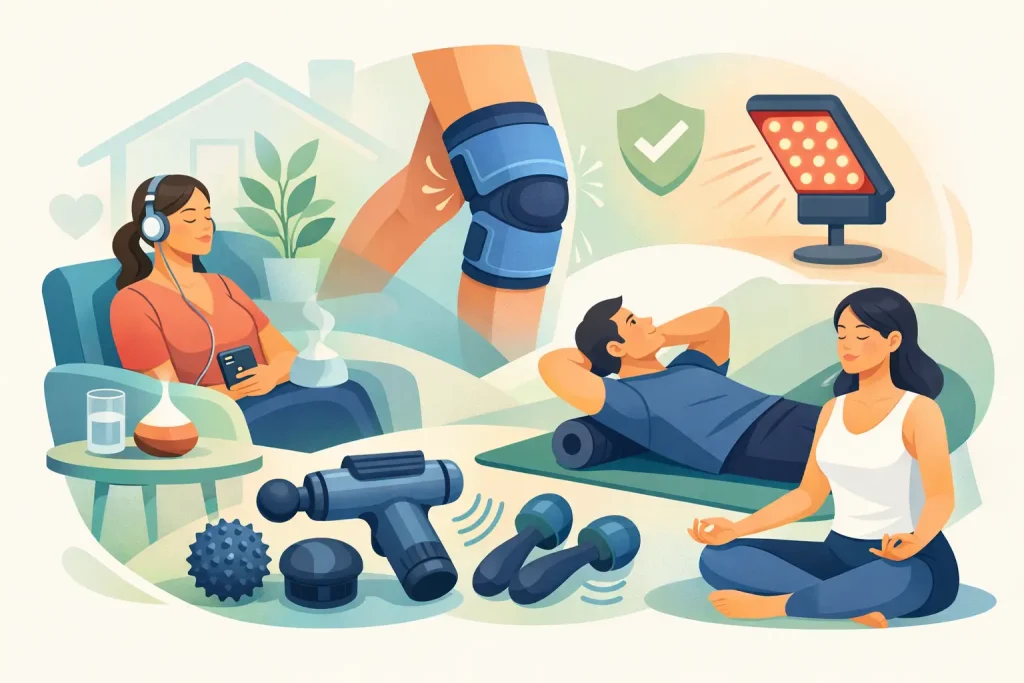
Getting home after surgery, an injury, or a hospital stay can feel like a relief – until everyday tasks reveal how much support recovery really requires. The best recovery therapies at home are not simply the most convenient options. They are the therapies that match the patient’s condition, recovery goals, mobility, and medical instructions while keeping care safe and consistent.
For many Dubai families, home-based recovery removes the strain of travel, long waiting times, and managing appointments while a loved one is tired or in pain. It can also make it easier for clinicians to see the practical barriers to healing, from stairs and bathroom access to medication routines and family support. The right plan may include professional therapy, nursing care, and simple habits that help progress continue between visits.
What Makes a Home Recovery Therapy Effective?
Recovery is personal. A young professional healing after a sports injury may need a focused physiotherapy program. An older adult returning home after surgery may need nursing support, mobility training, medication monitoring, and help preventing falls. A child with feeding, speech, or developmental concerns may benefit from therapy in the familiar setting where daily routines happen.
The most effective home recovery plans have three qualities: they are clinically appropriate, easy to follow, and adjusted as the patient improves. Rest alone is sometimes necessary, but extended inactivity can lead to weakness, stiffness, reduced balance, and loss of confidence. On the other hand, doing too much too soon can delay healing. A qualified clinician helps find the right pace.
Home therapies should follow the treating physician’s diagnosis and discharge plan. New severe pain, chest pain, shortness of breath, confusion, fainting, uncontrolled bleeding, or sudden weakness requires urgent medical attention, not a routine therapy session.
Best Recovery Therapies at Home for Different Needs
Home Physiotherapy for Strength, Mobility, and Pain Control
Home physiotherapy is often central to recovery after orthopedic surgery, fractures, back pain, sports injuries, stroke, or prolonged bed rest. A licensed physiotherapist can assess movement, joint range, muscle strength, balance, posture, and walking ability in the home environment.
Treatment may include guided exercises, stretching, mobility practice, gait training, balance work, and education on safe transfers. For example, someone recovering from knee surgery may need help learning how to get out of bed, use stairs safely, and progress from gentle movement to strength-building exercises. The goal is not to push through pain. It is to restore function in a controlled way.
Consistency matters more than intensity. A therapist can create a realistic routine that fits the patient’s energy level and medical restrictions. Family members can also learn how to provide support without accidentally increasing the risk of a fall or injury.
Skilled Nursing Care After Treatment or Surgery
A nurse at home can be particularly valuable when recovery involves wound care, injections, catheter care, medication administration, vital-sign monitoring, or close observation after a procedure. Skilled nursing adds clinical oversight at a time when changes in symptoms may be difficult for families to interpret.
For post-surgical patients, proper wound care can support healing and lower the risk of complications. A nurse can monitor for warning signs such as increased redness, swelling, drainage, fever, or worsening pain and advise when the patient should contact their physician. This is especially helpful for patients with diabetes, limited mobility, or multiple medications.
Nursing support can also reduce caregiver stress. Families often want to help but may not feel comfortable managing dressings, injections, or complex medication schedules on their own. Professional guidance brings structure and reassurance to the recovery process.
Speech Therapy in a Familiar Setting
Speech therapy at home can support people recovering from stroke, neurological conditions, surgery affecting speech or swallowing, or developmental communication challenges. Therapy may address speech clarity, language, voice, cognitive communication, swallowing safety, and strategies for everyday conversations.
The home setting has a practical advantage: exercises can be connected to real interactions with family members, meals, phone calls, and daily activities. A speech therapist can help patients and caregivers practice techniques that are immediately relevant rather than limited to a clinic session.
Swallowing concerns should never be ignored. Coughing during meals, repeated chest infections, a wet-sounding voice after drinking, or difficulty managing food can require prompt professional assessment. Safe eating and drinking recommendations should be individualized.
Occupational Support for Everyday Independence
Not every recovery challenge is about pain or muscle strength. Some patients need to relearn daily activities such as dressing, bathing, preparing food, managing a phone, or moving safely around the home. Functional rehabilitation focuses on helping people regain as much independence as possible while respecting their current limits.
Small changes can have a meaningful effect. A clinician may recommend safer movement patterns, pacing techniques, supportive equipment, or adjustments to reduce fall risks in frequently used spaces. These changes are particularly helpful for older adults and people recovering from stroke, joint replacement, or a serious illness.
IV Therapy and Hydration: Only When Clinically Appropriate
Fatigue, dehydration, nausea, and poor oral intake can make recovery feel harder. In some circumstances, medically supervised IV therapy at home may be appropriate when a clinician has assessed the patient and determined that intravenous fluids or prescribed treatments are needed.
IV therapy is not a replacement for a proper evaluation, balanced nutrition, or emergency care. It also is not suitable for everyone. People with heart, kidney, or fluid-balance conditions need individualized medical guidance. The safest approach is to use IV therapy as part of a clinician-led care plan, not as a one-size-fits-all wellness shortcut.
Recovery Habits That Support Professional Care
Therapy visits create direction, but recovery also happens in the hours between appointments. Patients should follow their clinician’s exercise instructions, take prescribed medications as directed, and prioritize regular sleep. Adequate protein, fluids, and nutrient-rich meals can support tissue repair and energy, especially after surgery or illness.
A simple daily routine is often more effective than an ambitious plan that is impossible to sustain. Set aside time for prescribed movement, use mobility aids correctly, and keep frequently needed items within easy reach. If a patient feels unusually exhausted after an activity, the plan may need to be paced differently.
Caregivers should watch for changes rather than assuming discomfort is normal. A decline in mobility, increasing confusion, reduced food or fluid intake, new swelling, or a sudden change in mood can signal that additional medical support is needed.
How to Choose the Right Home Care Provider
Convenience should never come before clinical standards. Choose a provider that uses qualified, licensed professionals and begins with an appropriate assessment rather than offering a generic package. The care team should understand the diagnosis, current medications, physician recommendations, and the patient’s personal recovery goals.
Ask how progress will be tracked, how the plan can be adjusted, and what happens if symptoms change between visits. Clear communication matters for the whole family. A dependable provider should explain what each session involves, what the patient can safely do independently, and when to seek further medical care.
For patients and families in Dubai, Your Choice Healthcare can coordinate professional home healthcare services with a focus on personalized treatment, patient comfort, and timely support. Whether recovery requires nursing care, physiotherapy, or ongoing rehabilitation, care should feel organized, respectful, and centered on the person healing at home.
When Home Recovery Needs a Higher Level of Care
At-home therapy is valuable, but it has limits. Patients with unstable symptoms, severe infection concerns, sudden neurological changes, or complications that require imaging, surgery, or continuous hospital monitoring need a higher level of care. Choosing urgent treatment early can prevent a manageable concern from becoming more serious.
For stable patients, however, a well-designed home care plan can turn recovery from an overwhelming period into a series of achievable steps. The most helpful next step is often a professional assessment that clarifies what support is needed now – and what independence can look like in the weeks ahead.