A pounding headache after a long night, lingering fatigue after illness, or dehydration that is not improving fast enough can make even a short trip feel like too much. That is exactly why many patients now choose iv therapy at home – not as a luxury, but as a practical way to receive timely, clinically supervised care without leaving the house.
For families in Dubai, convenience matters, but safety matters more. When IV treatment is delivered at home by licensed professionals, patients can receive support in a familiar setting while avoiding traffic, waiting rooms, and the strain of traveling when they already feel unwell. The right service is not just about bringing a drip to your door. It is about proper assessment, the right treatment plan, and medical oversight from start to finish.
What iv therapy at home is really used for
IV therapy delivers fluids, vitamins, or medications directly into the bloodstream. In the right clinical situation, that can help the body respond more quickly than oral hydration or supplements alone. At-home IV care is commonly used for dehydration, recovery from fatigue, support during minor illness, and cases where a patient has been advised to receive fluids or specific IV treatment under professional supervision.
That said, it is not a one-size-fits-all service. Some patients want support after vomiting, diarrhea, or heat exhaustion. Others are looking for help recovering after travel, long work hours, or a period of poor intake due to illness. In some cases, IV therapy may also be part of a broader home care plan that includes doctor visits, nursing care, or lab testing.
The key point is this: the best providers do not start with the drip. They start with the patient.
When IV therapy at home makes sense
Home-based IV care is often a good fit when a patient is stable enough to remain at home but needs faster support than rest and water alone can provide. That may include an adult who is dehydrated and weak, an older family member who needs close observation in a comfortable setting, or a busy professional who needs medically appropriate care without disrupting the entire day.
It can also be helpful after a doctor has recommended hydration or medication support but the patient would benefit from receiving it at home rather than arranging transportation to a facility. For parents, this can reduce stress significantly. For caregivers of elderly relatives, it can make care more manageable and less physically demanding.
Still, there are limits. Severe chest pain, breathing difficulty, confusion, uncontrolled bleeding, or any emergency warning signs require urgent hospital-based care. Responsible home healthcare providers are clear about that. Convenience should never replace clinical judgment.
What to expect during an at-home IV visit
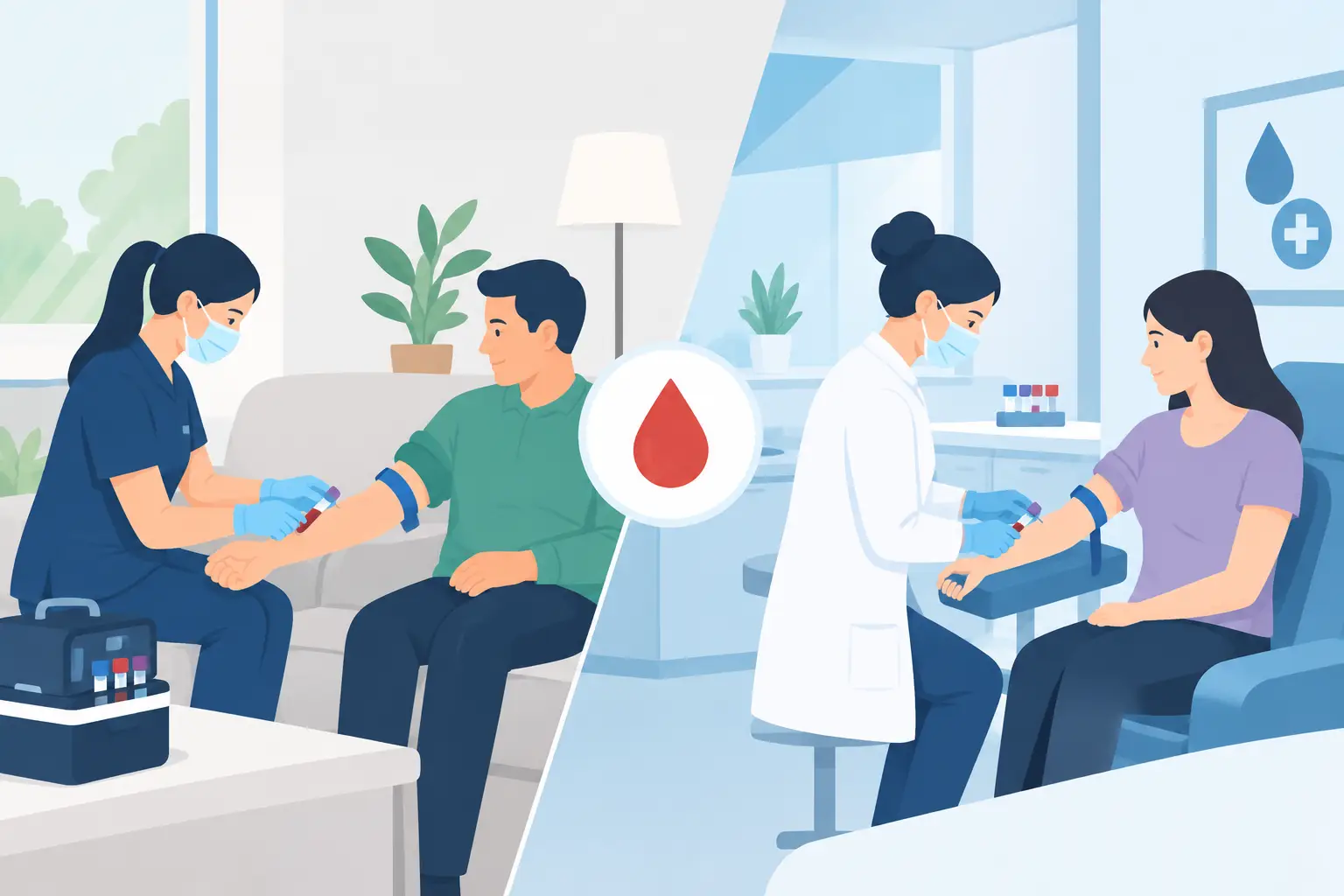
A professional IV visit should feel organized, calm, and medically structured. It usually begins with a clinical assessment. The provider reviews symptoms, checks vital signs, asks about allergies and medical history, and confirms whether IV treatment is appropriate. If there is any concern that the patient needs a higher level of care, a dependable team will say so immediately.
Once treatment is approved, the nurse or clinician prepares the equipment using proper infection control standards and explains what will be administered. The IV is then inserted, the infusion begins, and the patient is monitored throughout the session. Good care does not stop at setup. Observation matters, especially when fluids, vitamins, or medications are being given intravenously.
The experience is typically far more comfortable than people expect. Patients remain in their own home, can rest in bed or on the sofa, and have family nearby if needed. For many, that setting reduces anxiety and makes the overall treatment process easier.
Safety matters more than speed
Fast service is valuable, especially when someone feels weak, nauseated, or run down. But speed only matters when it comes with proper clinical standards. If you are considering iv therapy at home, ask practical questions. Who is administering the IV? Are they licensed? Is the treatment based on an assessment, or is it treated like a menu item? Is there medical supervision if the patient has an underlying condition?
These details matter because IV therapy is still a medical service. A patient with heart, kidney, or blood pressure concerns may need a different approach than a healthy adult with mild dehydration. Even vitamin infusions are not automatically suitable for everyone. The safest providers take time to evaluate, explain, and monitor.
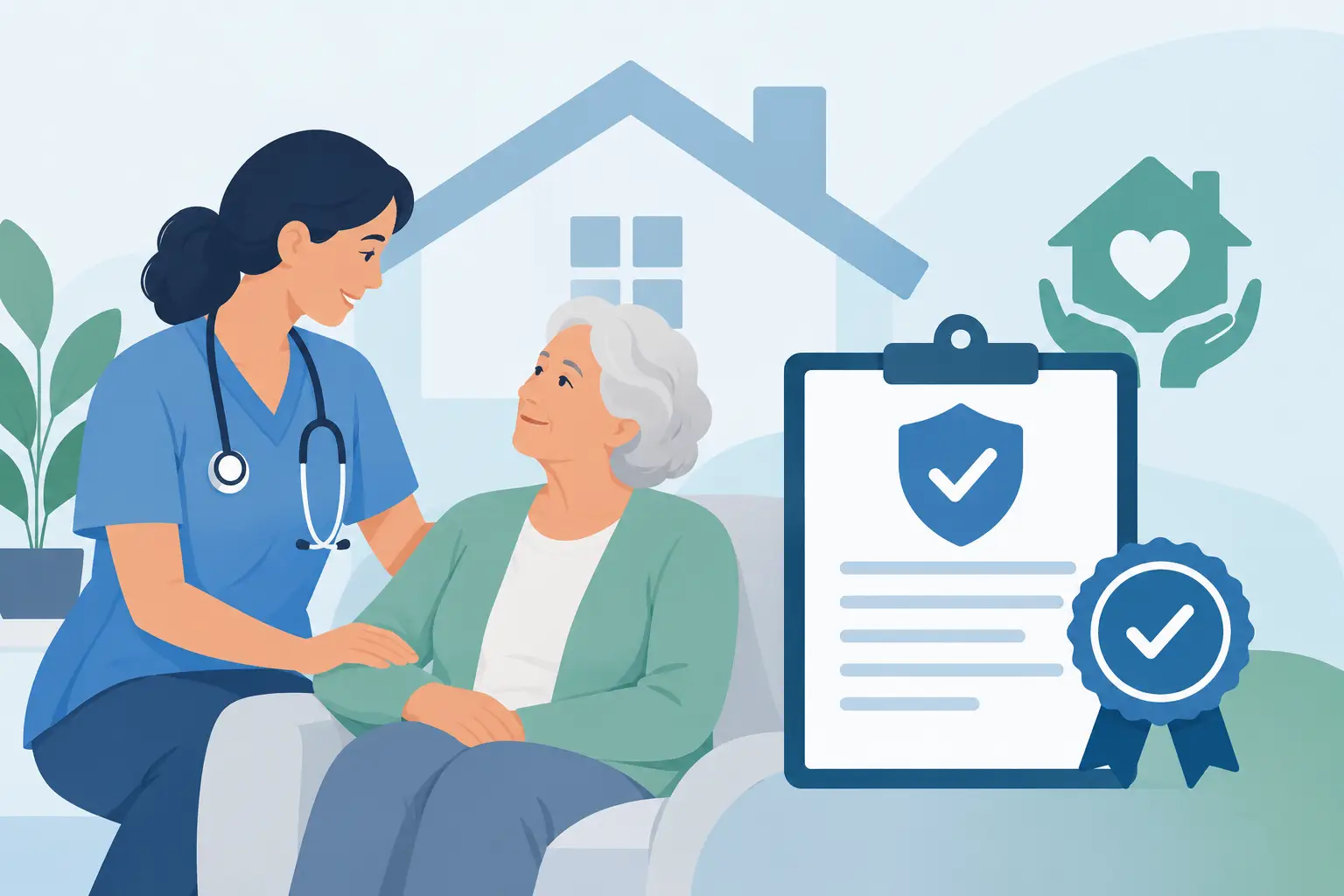
In Dubai, patients often look for DHA-certified professionals because credentials offer reassurance that the care being delivered at home meets recognized healthcare standards. That reassurance becomes even more important when treatment is being provided for elderly relatives, post-illness recovery, or patients with complex needs.
The benefits families and professionals care about most
The biggest advantage of home IV care is simple: it brings treatment to the patient instead of forcing the patient to work around treatment. That has practical value for nearly every kind of household.
For families, it means less disruption. A parent does not need to arrange childcare just to get hydrated after an illness. An older adult does not need to be moved in and out of a car while feeling unwell. A recovering patient can remain in a familiar environment, where rest is easier and stress is lower.
For professionals, the appeal is time and privacy. A fast response and in-home service can reduce hours lost to travel and waiting. For people with demanding schedules, that can be the difference between delaying care and actually receiving it.
There is also an emotional benefit that should not be ignored. People often feel more at ease at home. That comfort can make the overall care experience feel more manageable, especially when someone is already exhausted or anxious.
Choosing the right provider in Dubai
Not all at-home services are built the same way. Some focus heavily on convenience but say very little about medical oversight. Others operate with the standards patients would expect from a clinical setting, just delivered at home.
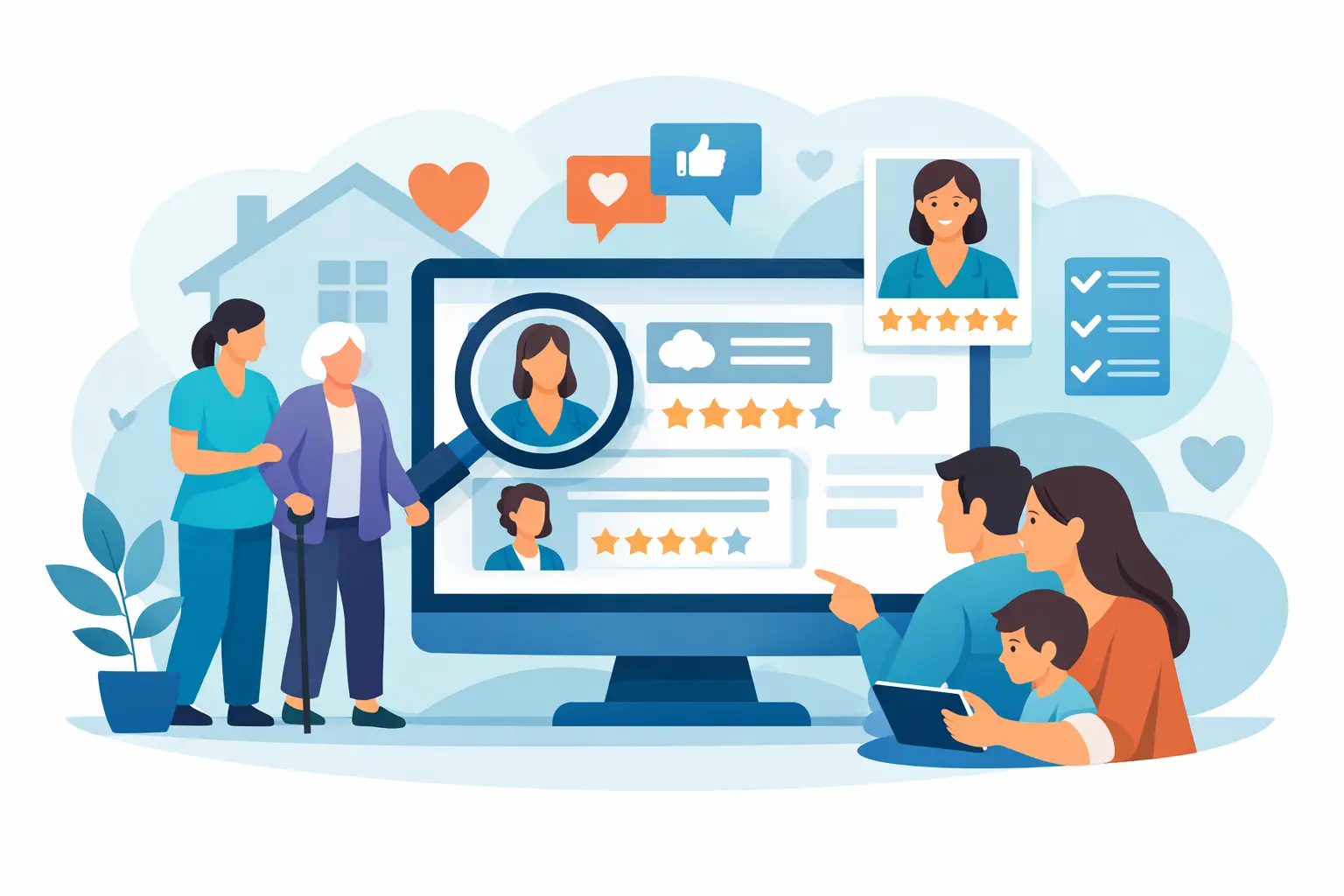
A strong provider should offer clear communication, licensed staff, proper patient screening, and a straightforward booking process. Response time matters, but so does the ability to answer questions before the visit starts. Patients should know what kind of support they are getting, who is arriving, and what happens if the provider determines that IV therapy is not the right fit.
This is where an experienced home healthcare team stands out. Providers such as Your Choice Healthcare are built around the idea that home care should be both fast and clinically dependable. That combination matters in real life, especially when a patient needs support quickly but still wants the reassurance of professional standards.
It depends on the patient, not just the symptom
One of the biggest misconceptions around IV care is that it is always the best answer for fatigue, headaches, or low energy. Sometimes it helps. Sometimes the better next step is a doctor assessment, lab testing, medication review, or a broader care plan.
A patient who feels drained may simply need fluids and rest. Another may be dealing with an infection, anemia, migraine, or another condition that will not be solved by hydration alone. That is why responsible at-home providers do not treat every symptom the same way. They look at the full picture.
This patient-first approach is what makes home healthcare valuable. It is not just about delivering a service to an address. It is about bringing professional judgment into the home, then guiding the patient toward the right level of care.
Why more patients are turning to home-based care
The shift toward care at home is not hard to understand. People want healthcare that respects their time, protects their comfort, and still meets professional standards. IV therapy fits naturally into that model when it is delivered the right way.
For some, it is about urgent support without the hassle of travel. For others, it is part of a larger preference for home nursing, doctor visits, or rehabilitation delivered in one place. Either way, the expectation has changed. Patients are no longer choosing between convenience and quality. They want both.
That is a reasonable expectation, especially in a city where schedules are full, families are balancing multiple responsibilities, and quick access to care can make a stressful day much easier.
If IV treatment is medically appropriate, receiving it at home can be a smart, comfortable option. The difference comes down to who provides it, how carefully they assess you, and whether the care feels tailored to your needs rather than rushed. When home healthcare is done well, it does more than save time – it gives patients the support they need in the place they feel most at ease.