A fever at 2 a.m., a painful fall, a child who will not stop coughing, or an elderly parent who suddenly seems confused can make every decision feel urgent. In the doctor home visit versus ER question, the right answer depends less on convenience and more on the patient’s symptoms, stability, and need for hospital-level testing or treatment.
A doctor at home can bring timely clinical assessment, treatment guidance, and reassurance to your door. An emergency room is built for conditions where minutes matter and advanced equipment, emergency teams, and possible admission may be needed. Knowing the difference can help your family act quickly without delaying essential care.
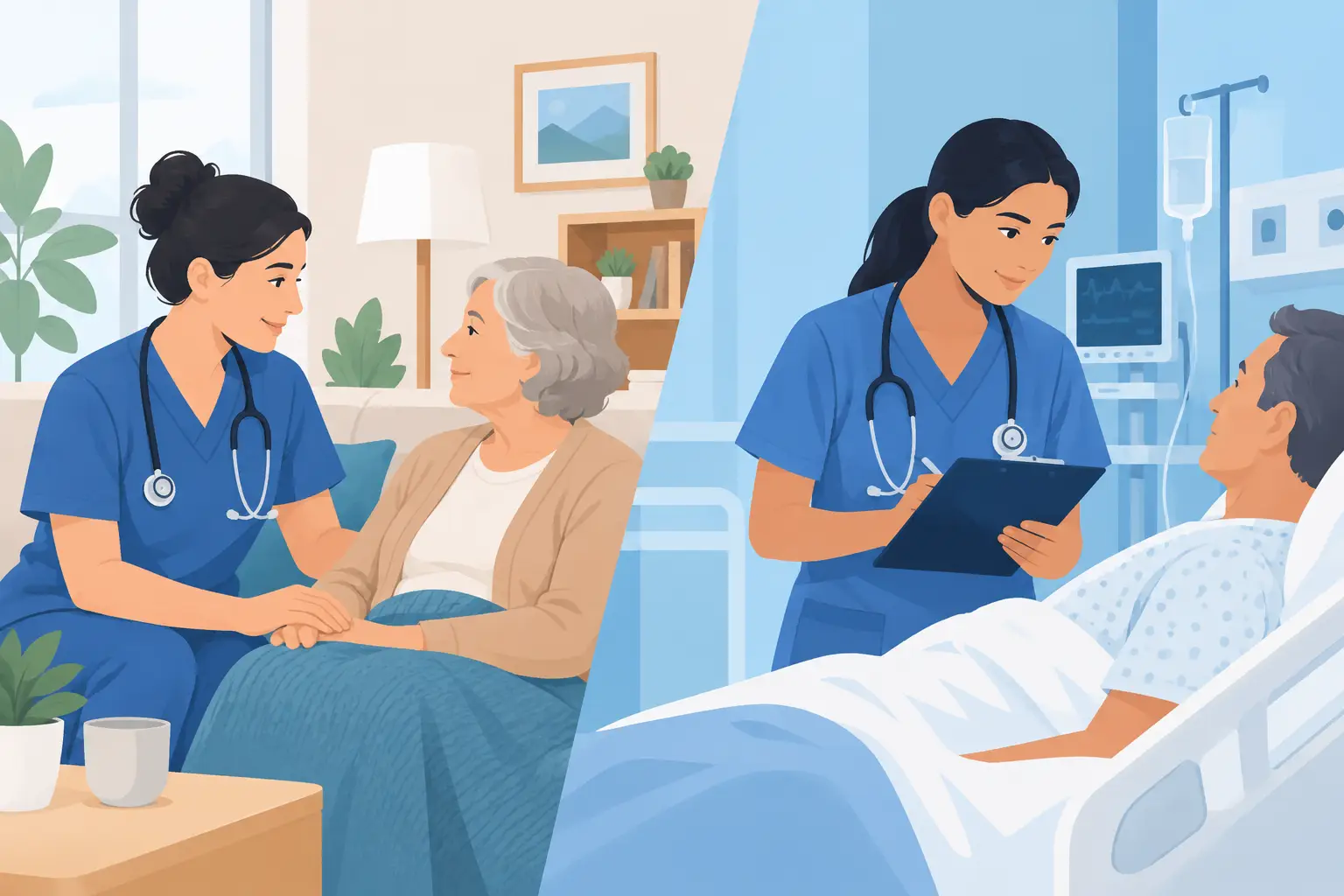
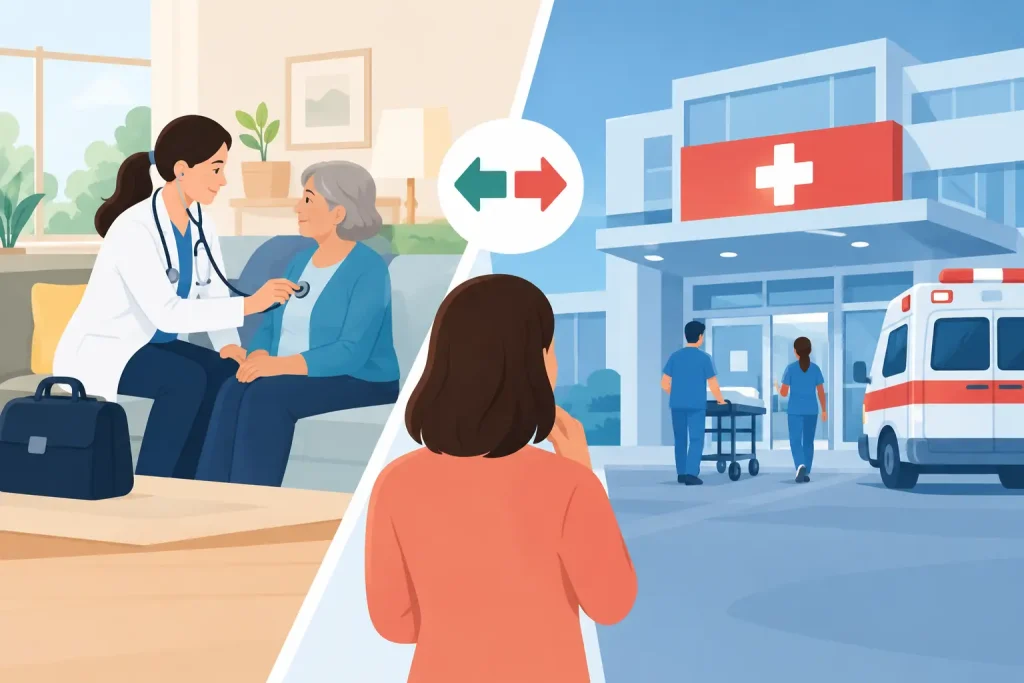
Doctor Home Visit Versus ER: The Main Difference
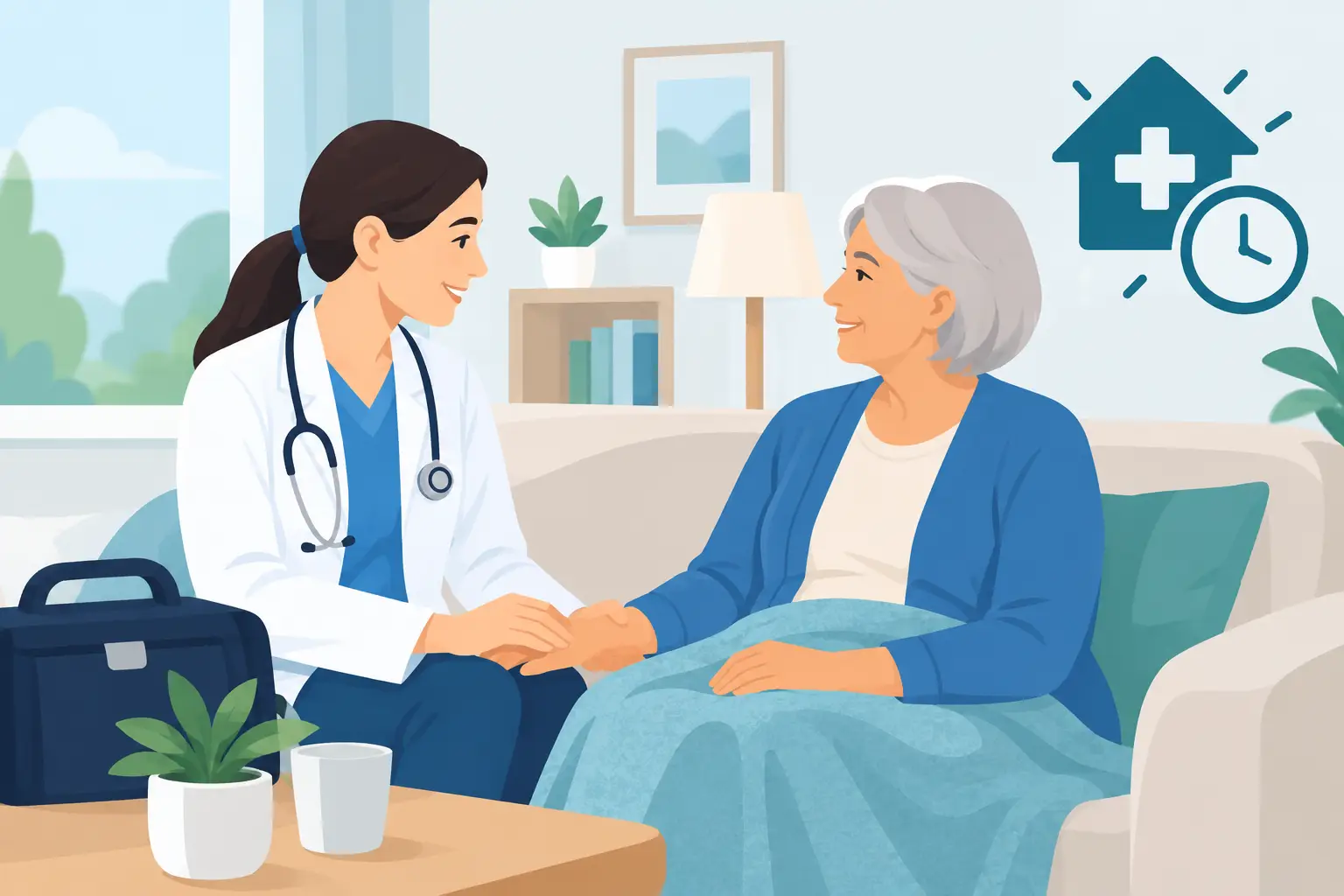
A home doctor visit is often appropriate when a patient needs prompt medical attention but is stable enough to be assessed safely outside a hospital. The physician can review symptoms and medical history, check vital signs, perform a focused examination, recommend medication or supportive treatment, and advise whether additional tests or specialist care are needed.
This can be especially useful for parents managing a child’s non-emergency illness, adults with flu-like symptoms, people recovering from surgery, or older adults for whom travel is difficult. Care at home also avoids the strain of waiting rooms when a patient is tired, contagious, in pain, or unable to move comfortably.
The ER has a different role. It is the right setting for a suspected life-threatening emergency or a condition that may require immediate imaging, blood products, surgery, continuous monitoring, a specialist team, or admission to the hospital. Emergency departments can rapidly manage severe trauma, stroke, heart concerns, serious breathing problems, and major bleeding in ways a home visit cannot and should not attempt to replace.
The safest choice is not always the closest or easiest one. It is the setting equipped for what may happen next.
When a Doctor Home Visit May Be Appropriate
For many common concerns, an experienced physician at home can provide a practical first step. This is particularly valuable when symptoms are uncomfortable or concerning but have not become severe or rapidly worsening.
A home visit may suit a persistent fever in an otherwise alert adult or child, sore throat, cold or flu symptoms, mild dehydration, stomach upset, ear pain, skin rashes, urinary symptoms, migraines without warning signs, or a mild asthma flare in someone whose prescribed rescue medication is helping. It may also be helpful after a hospital discharge, when a patient needs a clinical check but does not need emergency testing.
For older adults, a doctor at home can be a thoughtful option when mobility, dementia, frailty, or chronic conditions make a trip to a clinic stressful. The visit can assess new symptoms, review medications, evaluate hydration and vital signs, and give the family a clear next step. The familiar home setting can make the assessment less distressing for the patient while helping the physician understand the person’s day-to-day care needs.
A home consultation is also useful when you are unsure whether symptoms require a hospital. A qualified physician can assess the patient directly instead of relying only on a phone description. If the doctor identifies red flags, the recommendation may still be immediate ER care. That is not a failed home visit. It is a safer, informed escalation.
At Your Choice Healthcare, DHA-certified professionals provide doctor-on-call care in Dubai with a patient-first focus. A home physician can support families with timely assessment and personalized recommendations when the situation is clinically suitable for care at home.
When You Should Go Directly to the ER
Do not wait for a doctor home visit if symptoms could signal a serious emergency. Call an ambulance in Dubai at 998 or go to the nearest emergency department immediately if the patient has any of the following:
- Chest pain, pressure, tightness, or pain spreading to the arm, back, jaw, or shoulder
- Sudden weakness, facial drooping, speech difficulty, severe confusion, or a new seizure
- Severe trouble breathing, blue lips, choking, or a severe asthma attack not improving with prescribed medication
- Heavy bleeding, vomiting blood, black stools, or a deep wound with uncontrolled bleeding
- Loss of consciousness, a serious head injury, or major trauma after a fall, crash, or accident
- Severe abdominal pain, sudden severe headache, or pain that is rapidly getting worse
- Signs of a severe allergic reaction, such as swelling of the tongue or throat, wheezing, or widespread hives with breathing difficulty
- A baby who is difficult to wake, struggling to breathe, turning blue, or showing other signs of serious illness
Pregnancy concerns also need careful judgment. Heavy vaginal bleeding, severe abdominal pain, seizures, severe headache with visual changes, reduced fetal movement, or suspected labor complications should be evaluated urgently in an ER or maternity hospital. When in doubt, choose emergency care rather than waiting.
The Gray Areas: When It Depends
Not every situation is clearly routine or clearly life-threatening. The details matter, particularly a patient’s age, medical history, medication use, and how quickly symptoms are changing.
A fever, for example, is commonly managed at home, but fever with stiff neck, severe headache, confusion, difficulty breathing, a new rash, or marked drowsiness needs urgent assessment. A simple fall may be manageable with a home evaluation if there is no head impact, severe pain, deformity, or inability to bear weight. But a fall in an elderly person taking blood thinners deserves a lower threshold for ER evaluation, especially after a head injury.
Vomiting and diarrhea can often be assessed at home if the patient is awake, able to drink fluids, and passing urine. The situation changes when there is severe dehydration, fainting, blood in vomit or stool, severe pain, or ongoing vomiting that prevents fluid intake. Similarly, a headache may be suitable for a home doctor if it feels like a familiar migraine, but a sudden “worst headache,” headache after injury, or headache with weakness, confusion, or vision loss is an emergency.
If you are caring for a newborn, elderly relative, or someone with heart disease, diabetes, cancer, kidney disease, or a weakened immune system, seek advice sooner. These patients can deteriorate faster, and seemingly mild symptoms may need closer review.
What a Home Doctor Can and Cannot Do
A home doctor visit provides clinical care, not just convenience. The physician can examine the patient, measure vital signs, assess the urgency of symptoms, prescribe or adjust treatment when appropriate, and coordinate next steps. Depending on the care plan, additional doorstep services such as nursing support, lab testing, IV therapy, or physiotherapy may be arranged for eligible patients.
Still, home care has boundaries. It cannot provide CT scans, emergency surgery, intensive monitoring, or immediate access to every specialist and hospital resource. A responsible home-care provider will never suggest that a home visit is a substitute for emergency medicine when warning signs are present.
Before booking, be ready to describe the patient’s age, symptoms, when they started, current medications, allergies, medical conditions, and any recent hospital treatment. Mention changes in consciousness, breathing, pain level, fluid intake, and mobility. Clear information helps the care team guide you toward the safest option from the start.
Choosing Quickly Without Guessing
Ask one practical question: is the patient stable right now? If they are alert, breathing comfortably, able to communicate, and their symptoms are not rapidly worsening, a doctor home visit may be an appropriate and comfortable route to timely medical care.
If there is any sign of a threat to breathing, circulation, consciousness, severe pain, major injury, or sudden neurological change, go to the ER or call 998. Do not drive a person who is unconscious, severely short of breath, actively seizing, or showing stroke symptoms unless emergency transport is unavailable.
For non-emergency concerns, professional care at home can spare a sick family member an unnecessary trip while still giving you medical direction when you need it most. Trust your instincts, describe symptoms honestly, and choose the level of care that protects the patient, not simply the one that feels most convenient.