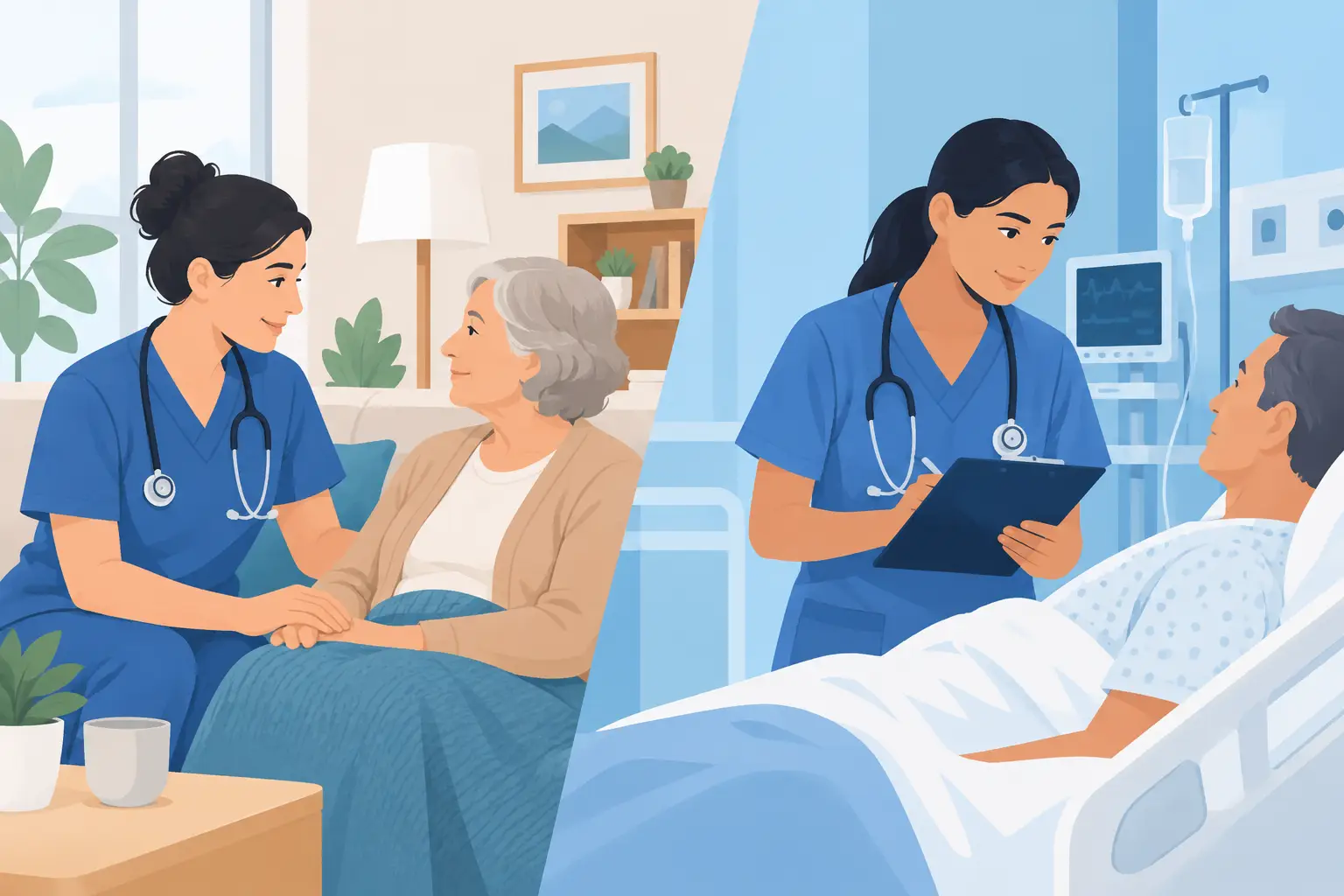
A fever at midnight, a parent recovering after surgery, a newborn needing feeding support, or an elderly relative who cannot comfortably travel to a clinic – these are the moments when healthcare has to fit real life. Home healthcare trends 2026 point toward a more responsive model of care in Dubai: qualified clinicians arriving where patients feel safest, supported by better coordination, remote monitoring, and personalized treatment plans.
For families, this shift is not simply about convenience. It can reduce unnecessary travel, make follow-up care easier to maintain, and give patients more time with a clinician in a familiar setting. The best results still depend on the right service, the right clinical assessment, and licensed professionals who know when home treatment is appropriate and when a hospital visit is needed.
Home Healthcare Trends 2026: Care Comes Closer
The most meaningful trend is the move from occasional home visits to coordinated, ongoing care at home. A doctor-on-call consultation may identify the immediate concern, while a nurse provides follow-up treatment, a physiotherapist supports mobility, and home lab testing helps track recovery. Rather than asking a patient to organize each step alone, care is increasingly planned as one connected journey.
This is particularly valuable after a hospital stay. Patients recovering from surgery, illness, or injury often need wound care, medication support, injections, IV therapy, mobility assistance, and regular clinical observation. Leaving home repeatedly for these services can be exhausting and may interrupt rest. In-home care allows treatment to continue while the patient recovers in a comfortable environment.
For elderly patients, coordinated home care can also help families identify changes earlier. Reduced appetite, new weakness, confusion, swelling, or a medication issue may be easier to notice during consistent home visits than during a brief appointment weeks apart. Home care does not replace specialist or emergency care, but it can provide a valuable clinical bridge between routine appointments and urgent concerns.
Faster Access Will Matter as Much as Treatment
In 2026, patients will continue to expect healthcare to respond at the speed of their daily needs. A busy professional may need a medical assessment without losing an entire workday. A parent may need help for a sick child before symptoms become more distressing. A family caring for an older adult may need a nurse promptly after a fall, a hospital discharge, or a sudden change in condition.
Rapid response is useful only when it is backed by sound clinical judgment. A responsible provider begins with a clear assessment of the patient’s symptoms, medical history, medications, and immediate risks. Some situations can be managed safely at home. Others require emergency services or hospital evaluation, especially chest pain, severe breathing difficulty, signs of stroke, major bleeding, loss of consciousness, or serious injury.
The practical benefit of a responsive home healthcare provider is clarity. Families should be able to explain what is happening, receive guidance on the appropriate service, and arrange qualified support without navigating multiple clinics or waiting rooms. For non-emergency concerns, this can make care feel less stressful at the moment patients need reassurance most.
Remote Monitoring Will Support, Not Replace, Human Care
Remote follow-ups are becoming a more common part of home healthcare. Video check-ins, symptom tracking, medication reminders, and connected devices can help clinicians monitor progress between visits. For a patient with limited mobility, a quick virtual follow-up may be more realistic than repeated travel for brief reviews.
This model works best when it is used thoughtfully. Technology can help track trends, but it cannot always capture what an experienced clinician sees in person: skin color, breathing effort, hydration, balance, wound changes, home safety risks, or a caregiver’s concern. A virtual consultation may be suitable for a stable patient who needs advice or progress monitoring. New, worsening, or unclear symptoms may require an in-person doctor or nurse assessment.
For families, the key question is not whether care is virtual or in person. It is whether the care plan has a clear escalation path. Patients should know who to contact if symptoms change, what warning signs to watch for, and when a clinician will return to reassess them.
Personalized Recovery Plans Will Replace One-Size-Fits-All Visits
Home care is becoming more personalized because no two homes, patients, or recoveries are the same. A post-surgery patient may need short-term nursing and physiotherapy. An older adult may benefit from ongoing mobility exercises, medication support, and companionship. A new mother may need newborn care guidance and clinical support while adjusting to feeding, sleep, and recovery.
Personalization also means respecting the patient’s routine. A physiotherapy plan is more likely to succeed when it fits the patient’s actual home environment. A therapist can see stairs, bathroom access, chair height, walking space, and the daily movements that cause difficulty. Exercises can then focus on practical goals, such as getting safely out of bed, returning to work, walking independently, or managing pain during normal activities.
Speech therapy follows a similar principle. Progress often depends on regular practice between sessions and guidance for family members or caregivers. At-home sessions can make that practice more natural, helping patients use new communication or swallowing strategies in the setting where they need them most.
Mobile Diagnostics Will Make Decisions Faster
Home sample collection and mobile diagnostics are changing how quickly families can move from concern to action. Instead of postponing testing because a patient is tired, unwell, or unable to travel, a trained professional can collect samples at home and support a more timely medical review.
This is especially helpful for older adults, young children, patients recovering from treatment, and anyone managing a demanding schedule. Still, the value of testing depends on what happens next. Results need to be reviewed in clinical context, with a clear plan for treatment, repeat testing, or referral when necessary. Convenient testing should never mean isolated testing.
IV therapy is also likely to remain popular, particularly for hydration and medically indicated treatment. Patients should be cautious about viewing any IV drip as a universal wellness solution. An appropriate service includes a medical assessment, attention to allergies and existing health conditions, sterile technique, and monitoring for side effects. The safest choice is always care that is clinically justified, not simply fast.
What Dubai Families Should Look for in 2026
As demand for doorstep care grows, families will need to choose carefully. The provider’s response time matters, but qualifications and clinical processes matter just as much. Look for DHA-certified professionals, transparent service information, proper patient assessment, infection-control practices, and clear instructions after a visit.
It is also wise to ask how the provider handles follow-up. Will the clinician document the care provided? Can the team coordinate with the patient’s existing doctor when needed? Is there guidance on what to do if symptoms worsen? These details show whether a service is built around continuity of care rather than a single appointment.
Your Choice Healthcare reflects the direction many Dubai families want: professional medical and wellness services delivered at home, with practical access to doctors, nurses, therapists, diagnostics, and recovery support. The goal is not to bring every healthcare need into the home. It is to bring the right level of qualified care home when doing so improves comfort, access, and confidence.
A More Human Standard for Care at Home
The strongest home healthcare trend is simple: patients want to be treated as people, not appointments. They want a clinician who arrives prepared, listens carefully, explains the next step, and recognizes the concerns of the whole family.
In 2026, home healthcare will be defined less by the technology used and more by the reassurance it creates. When a qualified professional can assess a patient promptly, provide personalized care, and help families make informed decisions, home becomes more than a convenient location for care. It becomes a place where recovery can feel safer, calmer, and genuinely supported.