A child develops a fever late at night. An elderly parent is too weak to sit in a waiting room. You have just returned home after surgery and need medical advice without a difficult trip across Dubai. In situations like these, understanding how home doctor visits work can replace uncertainty with a clear next step.
A doctor home visit brings a qualified physician to your residence for an in-person medical consultation. It is designed for many non-life-threatening concerns that need more than a phone call but do not necessarily require a clinic or hospital visit. The goal is simple: timely, professional assessment and treatment where the patient is most comfortable.
How Home Doctor Visits Work in Dubai
The process usually begins with a booking request by phone, WhatsApp, or an online form. You share the patient’s age, location, symptoms, relevant medical history, and whether there are any urgent concerns. This early information helps the care team determine whether a home visit is appropriate and arrange the right level of support.
For a fast-response service, a doctor may be dispatched promptly, often within 30 minutes depending on location, traffic, and clinical availability. For routine needs, such as a follow-up consultation or an assessment for a lingering cough, you can generally schedule a time that works for your household.
Before the physician arrives, keep the patient comfortable and have key details ready. This may include current medications, allergies, previous test results, discharge papers, and a brief timeline of symptoms. These details help the doctor make safer, more informed decisions from the start.
What Happens During a Doctor Home Visit?
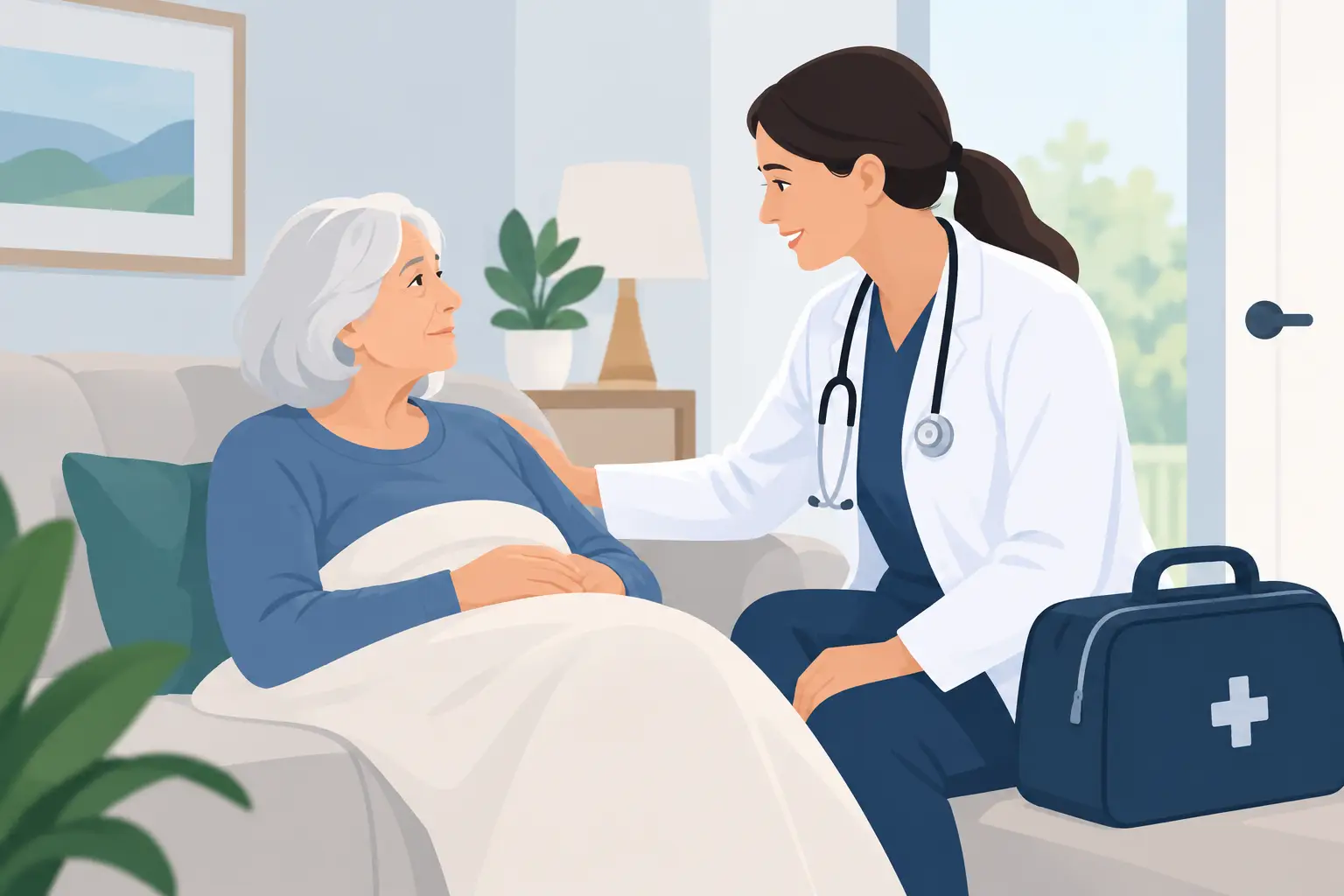
A home visit follows the same clinical principles as a consultation in a medical setting, with the added benefit of seeing the patient in their everyday environment. The doctor begins by listening carefully to the concern, asking questions about symptoms, medical history, and any recent changes in health.
Next comes a focused examination. Depending on the reason for the visit, this can include checking temperature, blood pressure, oxygen levels, heart rate, blood sugar, and other vital signs. The doctor may examine the ears, throat, chest, abdomen, skin, joints, or wound site as needed. For babies and children, the assessment is adapted to their age and symptoms, while family members can remain nearby for reassurance.
The physician then explains what they believe may be happening, what needs to be monitored, and what treatment is appropriate. This could involve medication advice or a prescription, guidance for hydration and rest, wound care instructions, or a referral for further testing or specialist care.
A good home consultation should never feel rushed. You should have the opportunity to ask practical questions: How should the medication be taken? What changes should prompt another call? Can the patient return to normal activities? Clear answers are especially valuable when caring for a child, an older adult, or someone recovering from illness.
Services That May Be Arranged at Home
One advantage of home healthcare is continuity. If the doctor determines that additional support is needed, many services can be coordinated at the residence rather than asking the patient to manage several separate appointments.
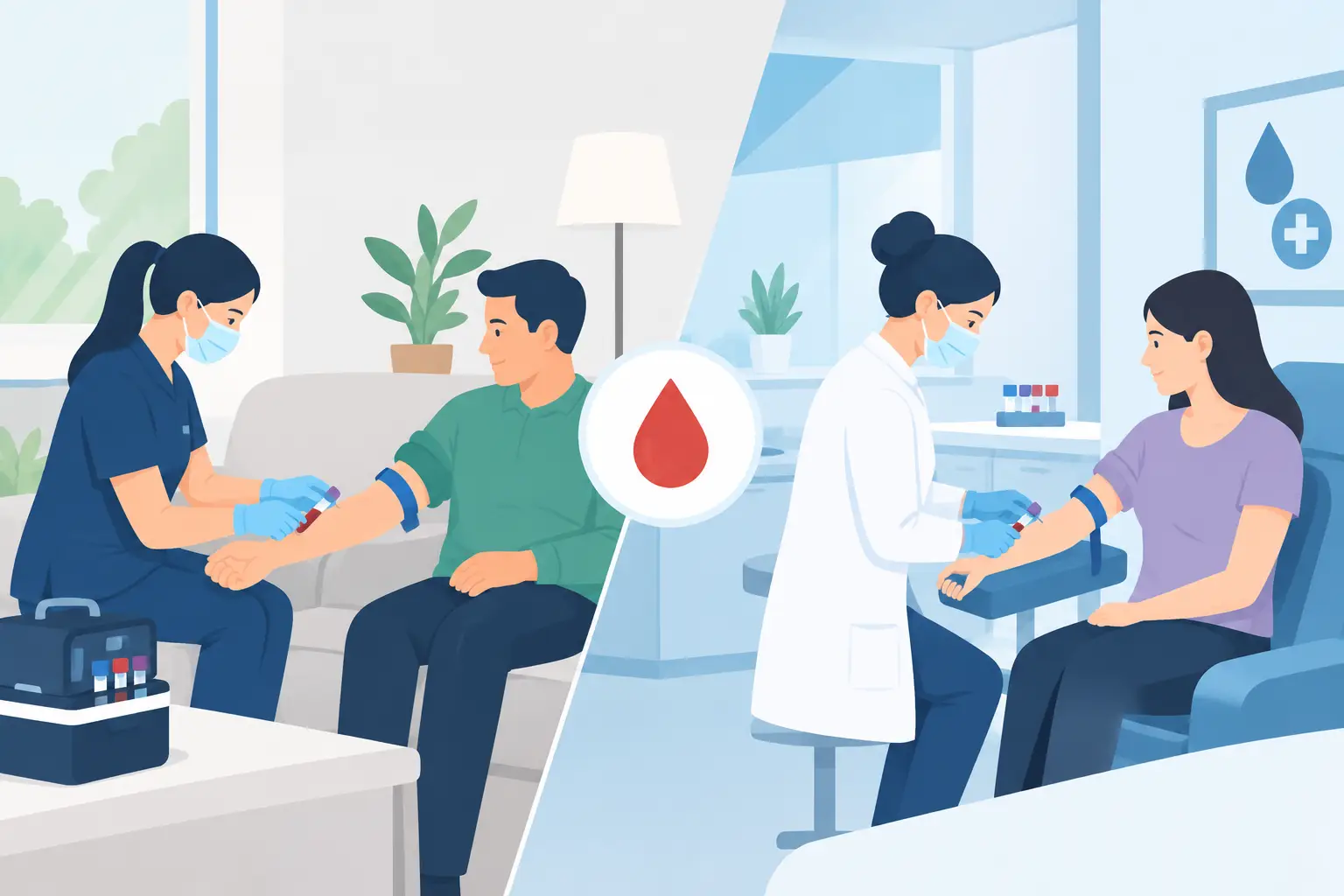
For example, a physician may recommend lab testing at home to investigate an infection, fatigue, vitamin deficiency, or changes in blood sugar. A nurse at home may be appropriate for injections, IV therapy, wound dressing, catheter care, medication support, or monitoring after a medical procedure. Patients rebuilding strength after surgery, injury, or hospitalization may benefit from home physiotherapy.
For families, this connected approach can be helpful when an elderly relative needs ongoing observation or a new mother needs newborn care support. The right care plan depends on the patient’s condition, goals, mobility, and clinician’s assessment. Home care is convenient, but it should remain medically guided and personalized.
When a Home Visit Is a Good Fit
Home doctor visits are often a practical choice for common illnesses and health concerns when the patient is stable. This can include fever, cold and flu symptoms, sore throat, cough, mild stomach upset, minor infections, allergies, dehydration concerns, skin conditions, headaches, body aches, or a review of ongoing symptoms.
They can also be useful for people who face genuine barriers to getting to a clinic. An older adult with limited mobility, a patient on bed rest, a person recovering from surgery, or a parent with several young children may avoid unnecessary strain by receiving care at home. Busy professionals may also prefer a scheduled visit that fits around work and family responsibilities.
There is a meaningful difference, however, between convenient care and emergency care. A home doctor visit is not a replacement for an emergency department when symptoms are severe or rapidly worsening.
When to Seek Emergency Care Instead
Call emergency services or go to the nearest emergency department immediately for chest pain, severe difficulty breathing, signs of stroke such as sudden weakness or slurred speech, loss of consciousness, seizures, severe bleeding, a major injury, or signs of a serious allergic reaction.
Urgent hospital assessment is also appropriate for severe abdominal pain, persistent vomiting with dehydration, confusion, a dangerously high fever with concerning symptoms, or any sudden deterioration in a patient’s condition. For infants, especially very young babies, fever or unusual sleepiness should be treated with extra caution and assessed promptly.
When you book a home visit, be direct about symptoms. A responsible care coordinator should help guide you toward emergency care if the situation sounds unsuitable for an at-home consultation. Speed matters, but choosing the right setting for care matters more.
How to Prepare Your Home for the Visit
You do not need to turn your home into a clinic. A clean, well-lit area with a chair or bed for the patient is usually enough. If possible, reduce noise and keep pets in another room so the consultation can proceed calmly.
Make a short note of symptoms before the doctor arrives. Include when they began, what makes them better or worse, any temperature readings, and medications already taken. If the patient has a chronic condition such as diabetes, high blood pressure, asthma, or heart disease, mention it early in the conversation.
For an elderly patient or someone with complex needs, it helps to have a family member present. They can share medical information, take notes, and understand the care instructions. This is particularly useful if follow-up nursing, laboratory testing, therapy, or monitoring is advised.
What to Expect After the Consultation
Care does not necessarily end when the doctor leaves. You may receive a prescription, written recommendations, a treatment plan, or instructions to arrange a follow-up visit. If tests are collected at home, the next step may be a review of results and an adjustment to the plan.
Follow the instructions exactly, particularly for medication timing, wound care, hydration, and warning signs. If symptoms do not improve as expected, worsen, or new symptoms develop, contact the provider again rather than waiting. A change in condition may require another assessment or a higher level of care.
At Your Choice Healthcare, DHA-certified professionals can bring doctor consultations and coordinated home healthcare support directly to families across Dubai. The focus is not only on reaching the home quickly, but on providing clinically supervised care that gives patients and families a clear path forward.
The best time to understand your home healthcare options is before a stressful moment arrives. Keep a trusted provider’s contact details available, know the patient’s medical history, and act early when something does not feel right.