You usually know the moment a clinic visit becomes one task too many. A parent needs blood work but cannot comfortably travel. A child needs testing but is already exhausted. You have a demanding workday, recovery at home, or an elderly family member who should not be moved unless necessary. In these situations, a lab test at home is not just convenient – it can be the more practical and patient-friendly option.
Home sample collection has become a reliable part of modern care because it removes friction without lowering clinical standards. When handled by trained professionals, testing at home gives patients access to the same essential diagnostics while staying in a familiar environment. For families in Dubai, that can mean faster decisions, less stress, and better follow-through on the tests a doctor has recommended.
What a lab test at home actually includes
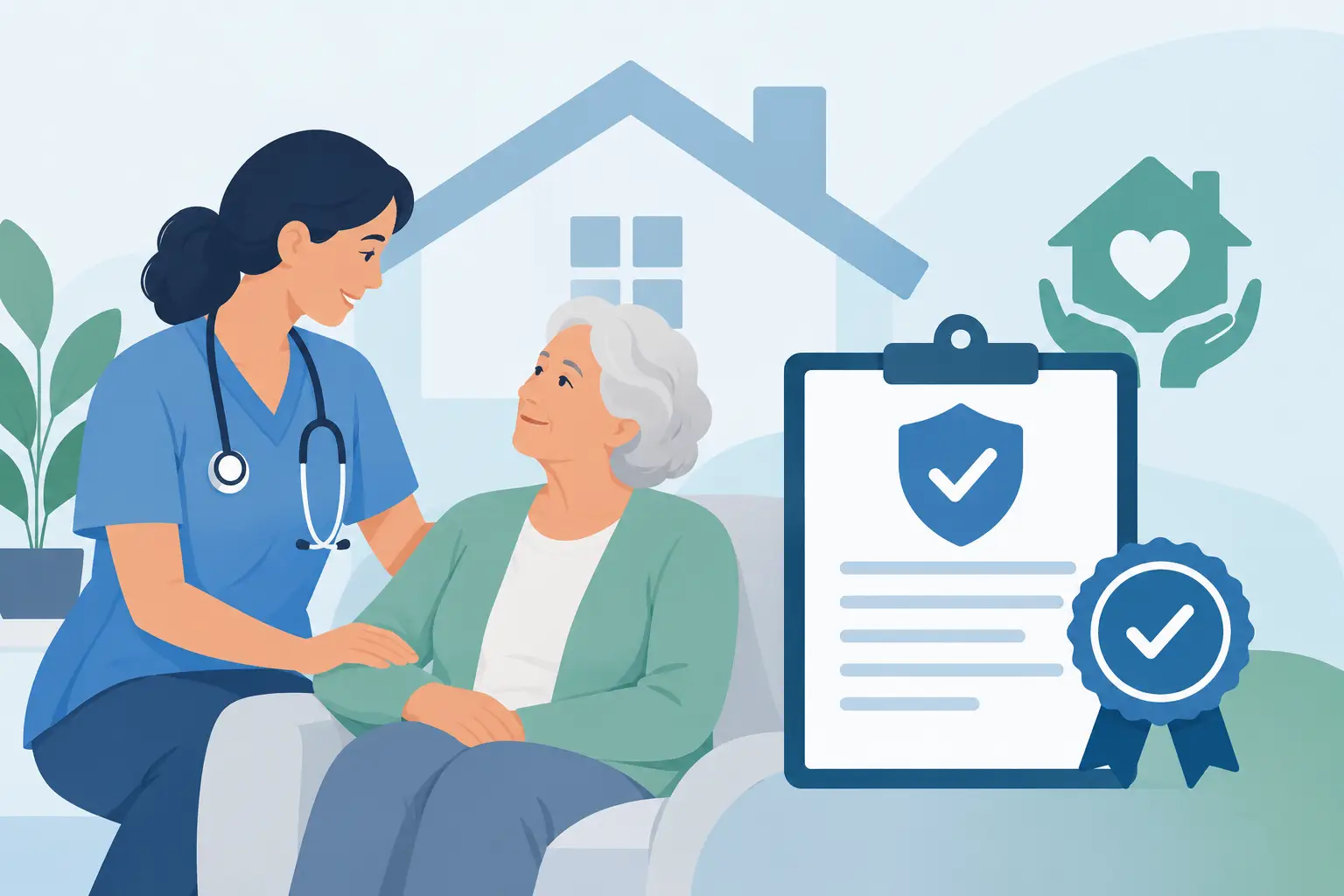
A lab test at home usually means a licensed healthcare professional visits your location, verifies the requested test, collects the sample, and ensures it is labeled, stored, and transported correctly for processing. Depending on the test, that sample may be blood, urine, or another approved specimen.
For many patients, the value is simple. You avoid traffic, waiting rooms, parking, and the challenge of coordinating schedules around a clinic appointment. For others, especially seniors, post-treatment patients, and parents with young children, the bigger benefit is comfort. Being tested at home often reduces anxiety and makes the process easier to manage.
That said, home testing is not the right fit for every case. Some diagnostics still require specialized equipment, imaging, or immediate on-site physician evaluation. The right provider will be clear about that and guide you toward in-clinic care when needed.
When a lab test at home is the better option
The best reason to choose home testing is not convenience alone. It is whether the home setting supports safer, faster, or more realistic care for the patient.
For elderly family members
Older adults often struggle most with clinic-based testing. Transportation can be difficult, mobility may be limited, and long waits can be physically draining. If a senior needs routine monitoring for chronic conditions such as diabetes, thyroid issues, anemia, kidney function, or infection follow-up, home collection can make ongoing care much easier to maintain.
It also helps families stay consistent. Tests that are easy to postpone in a busy week are more likely to happen when the service comes to the patient.
For post-surgery or recovering patients
After surgery or illness, minimizing unnecessary movement matters. A patient recovering from orthopedic treatment, infection, or a hospital discharge may need follow-up labs while still resting at home. In those cases, traveling for a sample collection can be uncomfortable and may interrupt recovery.
Home testing supports continuity of care. It allows the care team to monitor progress while the patient remains in a controlled, familiar setting.
For parents and children
Anyone who has tried to bring a tired or sick child into a waiting room understands the appeal. A home visit can feel calmer and more manageable, especially for younger children who become distressed in unfamiliar medical environments.
Parents also benefit from the logistics. There is no need to organize transport, wait with siblings, or spend half a day around a short appointment. The process becomes more contained and predictable.
For busy professionals
Not every healthcare need is urgent, but many are time-sensitive. People often delay tests because they cannot fit a clinic visit into an already packed schedule. A lab test at home solves that problem by bringing the service to your apartment, villa, or office-approved location, depending on the provider’s policy.
This matters more than it may seem. Delayed diagnostics can lead to delayed treatment decisions. When testing becomes easier to complete, patients are more likely to act on medical advice promptly.
What to expect during the visit
A professional home lab visit should feel organized from the start. Booking is usually based on the prescribed test or the panel you need, along with your preferred time and address details. If fasting is required, you should be told clearly in advance. The same goes for medication instructions or sample timing.
When the clinician arrives, they should confirm the patient identity, review the requested test, explain the process, and collect the sample using appropriate hygiene and safety protocols. Good home care is not casual care. The standards around specimen collection, handling, and documentation matter just as much at home as they do in a clinic.
Most patients are surprised by how quick the appointment is. The actual collection often takes only a few minutes, though preparation and aftercare may vary depending on the patient and the test involved.
Safety, accuracy, and why the provider matters
Patients often ask a fair question: is a home lab test as accurate as one done in a facility? In most routine cases, accuracy depends less on the location and more on the quality of the collection process, the credentials of the professional, and how the sample is transported and processed.
That is why provider standards matter. The person collecting the sample should be properly trained, clinically supervised, and familiar with specimen handling requirements. If a provider is vague about credentials, timing, or how samples are managed, that is a sign to ask more questions.
In Dubai, families are right to prioritize licensed, DHA-certified professionals and providers that follow evidence-based protocols. Fast service is valuable, but speed should never replace proper procedure. The strongest home healthcare services do both – respond quickly and maintain clinical discipline.
Common tests people request at home
Many routine and physician-recommended diagnostics can be arranged through home collection. These often include general blood panels, blood sugar testing, cholesterol checks, thyroid profiles, vitamin deficiency screening, pregnancy-related labs, infection-related tests, and follow-up monitoring after treatment.
The exact availability depends on the provider and the lab network supporting the service. Some tests are straightforward at home, while others may need stricter timing, special storage, or a facility-based setup. That is normal. A trustworthy provider will explain what can be done at home and what should be done elsewhere.
Why families choose home testing in Dubai
Dubai moves fast, but healthcare still needs to feel personal. That is one reason home-based medical services have become such an important option for families, caregivers, and working adults. People want qualified professionals, but they also want care that respects their time, routine, and comfort.
A home lab visit meets that need well because it combines diagnostics with convenience. It reduces disruption on ordinary days and lowers stress on difficult ones. For patients managing long-term conditions, the consistency is especially valuable. For families handling a sudden health concern, the speed can make the next step clearer.
Providers such as Your Choice Healthcare have built around that reality by offering clinically supervised services at home with responsive scheduling and licensed staff. When that model is done well, patients do not have to choose between comfort and medical credibility.
Before you book a lab test at home
A little preparation makes the visit smoother. Make sure you know whether you need a doctor’s request, whether fasting is required, and what time-sensitive instructions apply to your test. Have identification and any prior reports available if the provider asks for them.
It also helps to prepare the patient, especially if the appointment is for a child or an older adult. A quiet, clean space and a few minutes of reassurance can make the sample collection easier. If the patient has a history of fainting during blood draws, mention that in advance so the visiting clinician can plan accordingly.
The real benefit is follow-through
The biggest advantage of home diagnostics is not just that they save time. It is that they make people more likely to complete the care they already need. When testing fits into real life, patients delay less, families worry less, and doctors get the information they need sooner.
That is what good home healthcare should do – remove obstacles without compromising standards. If a test has been recommended and getting to a clinic feels like the reason it keeps slipping, bringing that care home may be the step that keeps everything moving in the right direction.
When healthcare feels easier to access, people tend to act earlier, stay more consistent, and recover with less disruption. Sometimes that alone makes all the difference.