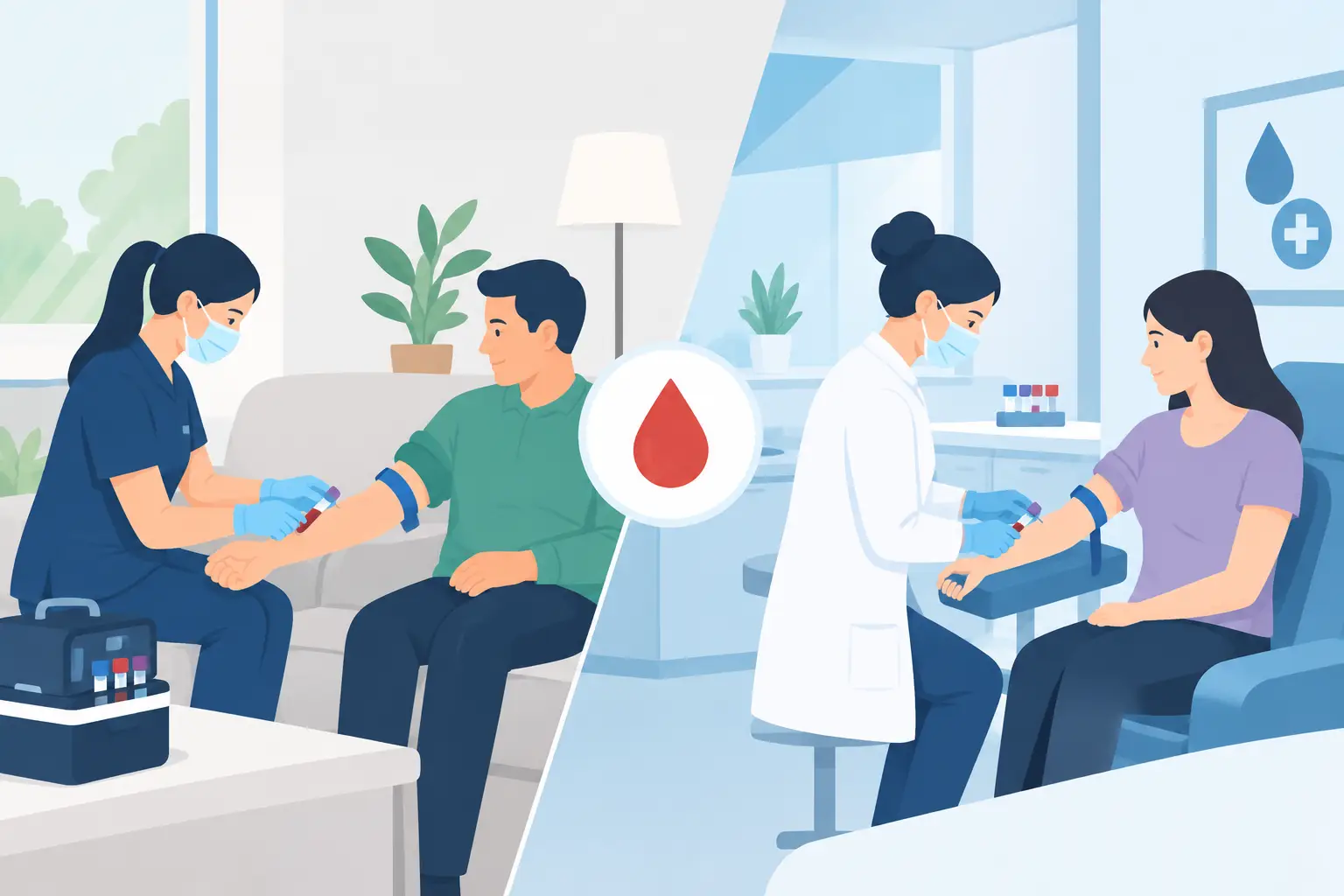
A blood test can feel like one more task in an already full day, especially when you are caring for a child, recovering from treatment, or supporting an older family member. With the right mobile blood draw preparation, the appointment can be calm, efficient, and more comfortable without the trip to a clinic.
At-home blood collection is designed around your schedule and comfort, but the test itself still needs the same level of preparation as a laboratory visit. What you eat, drink, and take before the sample is collected may affect certain results. A few practical steps can help your clinician receive an accurate sample and help you feel ready when the nurse arrives.
Mobile Blood Draw Preparation Starts With Your Test Order
Before changing your routine, check the laboratory request or ask the healthcare team what your specific test requires. Not every blood test needs fasting. Many routine tests can be performed after a normal meal, while others, such as certain glucose and lipid tests, may require you to avoid food for a set period.
The instructions on your order should always take priority over general advice. If you were told to fast, confirm exactly when fasting starts and whether water is allowed. In most cases, plain water is encouraged because good hydration can make veins easier to access. Coffee, tea, juice, gum, mints, and flavored water may break a fast, even if they seem harmless.
If the order is unclear, do not guess. Contact the provider or laboratory before your appointment. Rescheduling is sometimes better than collecting a sample under conditions that could make the results difficult to interpret.
Plan Medications Carefully
Do not stop prescription medication on your own for a blood test. Some medicines need to be taken as scheduled, while others may need special timing around the draw. This depends on why the test was ordered and the medication itself.
Tell the visiting nurse about all prescription medications, over-the-counter products, vitamins, herbal supplements, and injections you use. Supplements such as biotin can interfere with some laboratory tests, including certain hormone and cardiac marker tests. Your physician may ask you to pause biotin or other supplements before testing, but only follow that instruction when it comes from your healthcare provider.
If you have diabetes, fasting requires extra planning. Skipping food while taking insulin or glucose-lowering medication can lead to low blood sugar. Speak with your doctor ahead of time about how to manage your medication, meals, and appointment timing. Keep your glucose monitor and a quick snack nearby in case your care plan calls for eating immediately after the sample is taken.
Hydrate, Rest, and Keep Your Morning Routine Simple
A glass or two of plain water before the appointment can support an easier blood draw. Dehydration can make veins less visible, which may mean more time locating a suitable vein. Water is usually appropriate even when fasting, unless your clinician has given different instructions because of a medical condition or fluid restriction.
Try to avoid strenuous exercise shortly before the blood draw unless your doctor has specifically asked for it. Intense activity can temporarily influence results for markers such as glucose, enzymes, and electrolytes. Alcohol can also affect some results, so it is wise to avoid it for at least 24 hours when your provider recommends it.
Rest matters too. A poor night of sleep, acute stress, or an illness can influence certain readings. You do not need to create a perfect morning, but give yourself enough time to sit quietly for a few minutes before the nurse arrives. This is particularly helpful if you are anxious about needles or have just climbed stairs, rushed through traffic, or managed a busy household.
Prepare a Comfortable Space at Home
Choose a clean, well-lit area with a stable chair, table, or nearby surface for supplies. A dining chair, sofa with firm arm support, or reclining chair often works well. Avoid standing for the procedure, particularly if you have fainted during blood tests before.
Wear a short-sleeved shirt or a top with sleeves that can easily roll above the elbow. Tight sleeves can make access more difficult and may leave you feeling uncomfortable afterward. Have your identification, test request, insurance details if required, and any relevant medical information ready before the appointment begins.
For a child, a familiar setting can make a meaningful difference. Keep a favorite toy, book, video, or comfort item close by. Explain the visit in simple, honest language: a nurse will take a small blood sample to help the doctor understand how the body is doing. Avoid promising that it will not hurt at all. Instead, reassure your child that the nurse will be gentle and you will stay nearby.
Share Relevant Health Information With the Nurse
The nurse should know about anything that could affect the collection process or your safety. This includes a history of difficult blood draws, fainting, bleeding disorders, blood-thinning medication, allergies to adhesive or latex, a mastectomy, dialysis access, lymphedema, or recent surgery.
Let the nurse know if you feel nervous, dizzy, or unwell before the appointment starts. Many people dislike needles, and there is no need to minimize that concern. The nurse can position you safely, allow you to lie back if needed, and talk you through each step. Looking away, using slow breathing, or focusing on a conversation can help reduce discomfort.
For elderly patients or people with limited mobility, make sure the chosen area is easy to reach and free from loose rugs, cords, or clutter. If a family member or caregiver can be present, they can help with paperwork, communication, and post-draw support.
What Happens During an At-Home Blood Draw
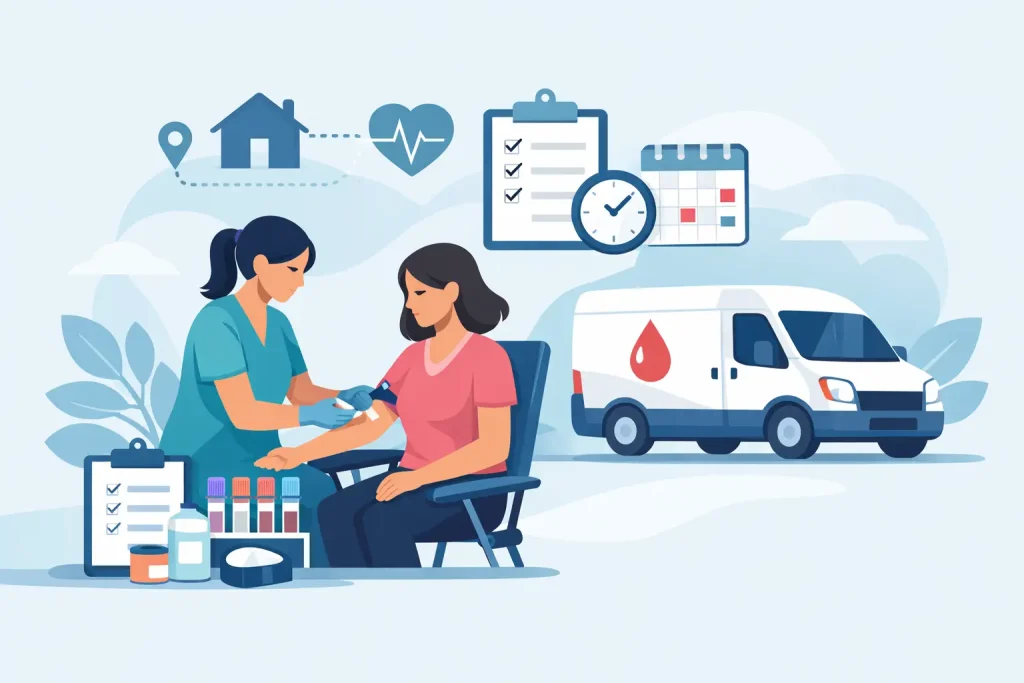
A trained nurse will confirm your identity and test request, review any preparation instructions, and select the best site for collection. They will clean the skin, apply a tourniquet, collect the required tubes, and label the samples according to laboratory procedures.
The needle insertion usually takes only a few seconds. You may feel a brief pinch or pressure. Once the collection is complete, the nurse will remove the needle and apply gentle pressure with gauze. Keep pressure on the site for the time advised, especially if you take blood thinners or bruise easily.
Professional home collection is not simply about convenience. Correct patient identification, proper sample labeling, suitable storage, and timely transport are essential to the quality of the result. A qualified home healthcare provider should follow clinical processes that protect both the patient and the sample from the moment of collection.
Aftercare: Small Steps That Prevent Bruising
Leave the bandage in place for the recommended period and avoid heavy lifting or intense arm exercise for a few hours. A small bruise or mild tenderness can occur, particularly if your veins are delicate or you take anticoagulants. Applying a cool pack wrapped in cloth may help if you develop minor swelling or soreness.
Contact a healthcare professional if bleeding does not stop with firm pressure, if swelling becomes significant, or if you experience increasing pain, redness, warmth, or numbness in the arm. These reactions are uncommon, but they deserve prompt attention.
If you fasted, eat a balanced meal or snack after the blood draw unless your doctor has asked you to continue fasting for another test. Sit for a few minutes before getting up if you are prone to lightheadedness. Children and older adults may benefit from a drink and a quiet rest after the appointment.
When Home Blood Collection Is Especially Helpful
Mobile blood draws can be a practical option for patients who find clinic visits difficult, including people recovering after surgery, busy professionals, parents with young children, and families caring for elderly relatives. It can also reduce unnecessary exposure to crowded waiting areas when someone is unwell or has limited mobility.
For urgent or routine laboratory needs in Dubai, Your Choice Healthcare can arrange professional blood collection at home with patient comfort and clinical handling in mind. The right service should make booking straightforward while still giving you clear instructions about fasting, medications, and test-specific requirements.
A few minutes of preparation can protect the accuracy of your results and make the experience feel far less stressful. Set up your space, keep water and documents ready, and ask questions early so your home appointment begins with confidence.