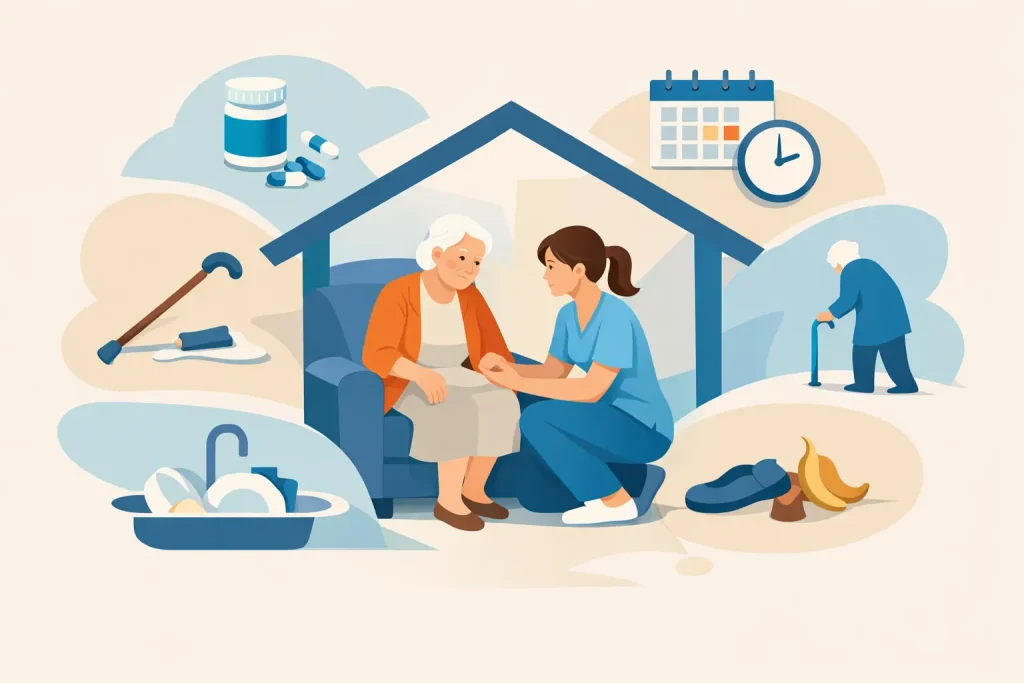
A missed blood pressure tablet, an unsteady walk to the bathroom, or a parent who suddenly stops answering calls can change a family’s routine overnight. Knowing who needs elderly home care helps families respond early, with the right level of support, rather than waiting for a fall, illness, or hospital visit to force a decision.
Elderly home care is not only for seniors with serious medical conditions. It can support older adults who need occasional help after treatment, daily nursing attention, rehabilitation, or simply more confidence managing life at home. For many families in Dubai, it is a practical way to bring professional, patient-focused care into a familiar setting while protecting independence and dignity.
Who Needs Elderly Home Care?
The clearest answer is simple: an older adult may need home care when everyday health needs become difficult, unsafe, or stressful to manage alone. The right care plan depends on the person’s condition, mobility, medical instructions, living situation, and the support already available from family members.
Some seniors need short-term assistance. A person recovering from surgery, a hospital stay, pneumonia, or a fracture may need help with medications, wound care, mobility, and follow-up monitoring for a few days or weeks. Receiving this support at home can make recovery more comfortable and may reduce unnecessary trips to a clinic.
Others benefit from ongoing care. This may include seniors living with diabetes, high blood pressure, heart disease, Parkinson’s disease, arthritis, stroke-related weakness, or dementia. These conditions do not always mean a person must leave home. However, they often require consistent observation, safe routines, and professional guidance that family members cannot provide around the clock.
Home care can also be appropriate when an elderly person is medically stable but becoming less confident with daily activities. Trouble bathing, dressing, preparing meals, using stairs, or remembering appointments can gradually affect health and safety. Early support can help prevent a manageable concern from becoming a crisis.
Signs an Older Adult May Need More Support
Families are often the first to notice small changes. A senior may insist that everything is fine, especially if they worry about losing independence. Looking beyond a single bad day and paying attention to patterns can help you decide whether it is time to arrange an assessment or professional home visit.
Changes in personal care are one sign. Unwashed clothes, missed showers, poor grooming, or unexplained weight loss may suggest that routine tasks have become difficult. So can an empty refrigerator, expired food, unpaid bills, or missed medication refills.
Mobility changes deserve prompt attention. New bruises, frequent stumbling, difficulty standing from a chair, or avoiding parts of the home can signal a higher fall risk. A fall can be particularly serious for an older adult, even when there is no obvious injury at first. A clinician can assess mobility, review medications that may cause dizziness, and recommend safe next steps.
Memory and behavior changes may also call for support. Repeating questions, getting lost in familiar places, confusion about medication, withdrawal from favorite activities, or sudden irritability can have several causes. Some are related to cognitive decline, while others may be linked to infection, dehydration, pain, poor sleep, or medication effects. New or sudden confusion should always be taken seriously and assessed promptly.
Caregiver strain is another important sign. If a spouse, adult child, or relative is skipping work, losing sleep, or feeling unable to manage care safely, the family needs support too. Asking for help is not a failure of commitment. It can make care more consistent and allow loved ones to spend more meaningful time together rather than carrying every medical task alone.
Different Levels of Care for Different Needs
Elderly home care should not be treated as one fixed service. Some families need a doctor to evaluate a new concern at home. Others need a qualified nurse to manage treatment, monitor symptoms, administer prescribed care, or support recovery after discharge. Home physiotherapy may be helpful when strength, balance, walking ability, or joint movement has declined.
For a senior with speech or swallowing difficulties after a stroke, speech therapy at home may be part of the care plan. In these situations, care works best when services are coordinated around the patient’s physician instructions, goals, and changing needs.
The trade-off is that home care is not the right setting for every problem. Severe chest pain, sudden facial drooping, difficulty speaking, major breathing trouble, loss of consciousness, uncontrolled bleeding, or a serious fall require emergency medical attention. Home healthcare can support follow-up and recovery, but it should never delay urgent treatment.
When Home Care Is Especially Helpful
Home-based support can be particularly valuable after a hospitalization. Discharge instructions often involve new medications, diet adjustments, wound monitoring, activity restrictions, and follow-up appointments. For an elderly patient, managing all of this alone can be overwhelming. A nurse or physician home visit can help families understand the plan, identify warning signs, and support safer recovery.
It is also useful for seniors who have limited mobility or find clinic visits exhausting. Traveling in traffic, waiting in a crowded reception area, and moving between appointments may worsen fatigue or pain. Care at home reduces that burden while allowing the clinician to see practical factors that affect health, such as stairs, bathroom access, and medication storage.
For families living in different parts of Dubai or abroad, professional care can provide reassurance. Regular clinical support does not replace family involvement, but it gives relatives a trusted point of contact and helps ensure that care is delivered according to the patient’s needs.
How to Decide What Your Family Needs
Start with a calm conversation with your loved one. Ask what feels difficult, what they would like help with, and what would make them feel safer. The goal is not to take over. It is to build a plan that preserves as much choice and routine as possible.
Next, make a clear picture of current needs. Consider mobility, medication management, chronic conditions, memory, nutrition, sleep, pain, and recent changes in mood or energy. Keep a record of falls, missed doses, unusual symptoms, and questions for the clinician. Specific details lead to a more useful assessment than a general statement that someone is not doing well.
It is equally important to ask what type of professional is needed. A medical concern may require a doctor on call. Clinical procedures, medication support, or post-treatment monitoring may call for a nurse at home. If the main concern is regaining movement and confidence after injury or surgery, physiotherapy may be the priority. The plan can change over time as recovery progresses or needs increase.
What Quality Elderly Home Care Should Feel Like
Professional care should feel respectful, organized, and reassuring. The caregiver or clinician should explain what they are doing, listen to the patient and family, follow proper clinical standards, and communicate clearly about the next steps. Seniors should never feel rushed, dismissed, or excluded from decisions about their own care.
Look for licensed, experienced professionals and a provider that can respond appropriately when needs are urgent. In-home care also works best when there is a clear process for scheduling, care instructions, documentation, and follow-up. Consistency matters, especially for patients managing multiple conditions or recovering from a recent illness.
Your Choice Healthcare provides doctor visits, nursing support, physiotherapy, and other clinically supervised services at home in Dubai, helping families arrange care without adding unnecessary travel and stress to an already demanding time.
A Timely Conversation Can Protect Independence
The best time to discuss elderly home care is often before there is an emergency. A little help with treatment, mobility, and daily health routines can allow an older adult to remain comfortable at home for longer. It can also give families the confidence that they are responding to changing needs with care, respect, and professional support.
If you have noticed repeated falls, medication concerns, new weakness, confusion, or a difficult recovery after treatment, do not wait for the next problem to decide what to do. A thoughtful home care assessment can turn uncertainty into a clear, compassionate plan for the person you love.