A fever that rises after bedtime, a parent recovering from surgery, or an elderly relative too weak for a waiting room can turn a simple clinic visit into a major challenge. Doctor housecalls offer a practical alternative: a licensed physician comes to the patient, assesses the concern in familiar surroundings, and recommends the appropriate next step.
For many families in Dubai, this is not only about convenience. It is about receiving timely, professional care without adding travel, long waits, and unnecessary stress to an already difficult day. Home visits can support everything from common illnesses to recovery planning, provided the patient’s condition is suitable for care outside a hospital.
What Happens During Doctor Housecalls?
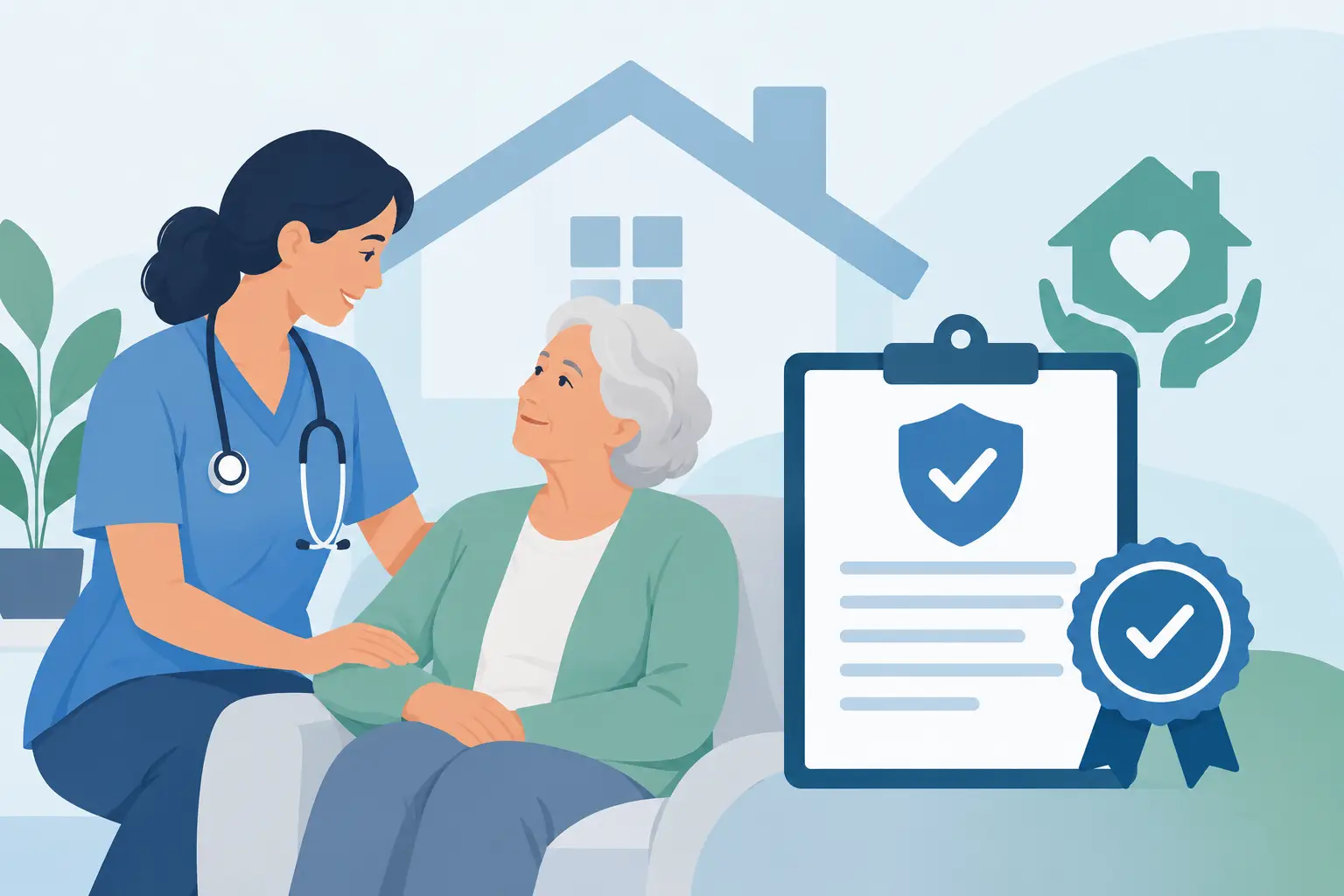
A doctor home visit is a medical consultation delivered at the patient’s residence. The physician begins by discussing symptoms, medical history, medications, allergies, and recent changes in health. They can perform a focused examination, check vital signs, and assess whether the concern can be safely managed at home or needs further testing, specialist review, or emergency treatment.
The value of the visit is the clinical judgment behind it. A home doctor does not simply provide reassurance. They evaluate the patient in context. For an older adult, that may mean seeing mobility limitations, hydration concerns, or medication bottles firsthand. For a child, it can mean examining them while they are calmer in their own room rather than distressed by a clinic environment.
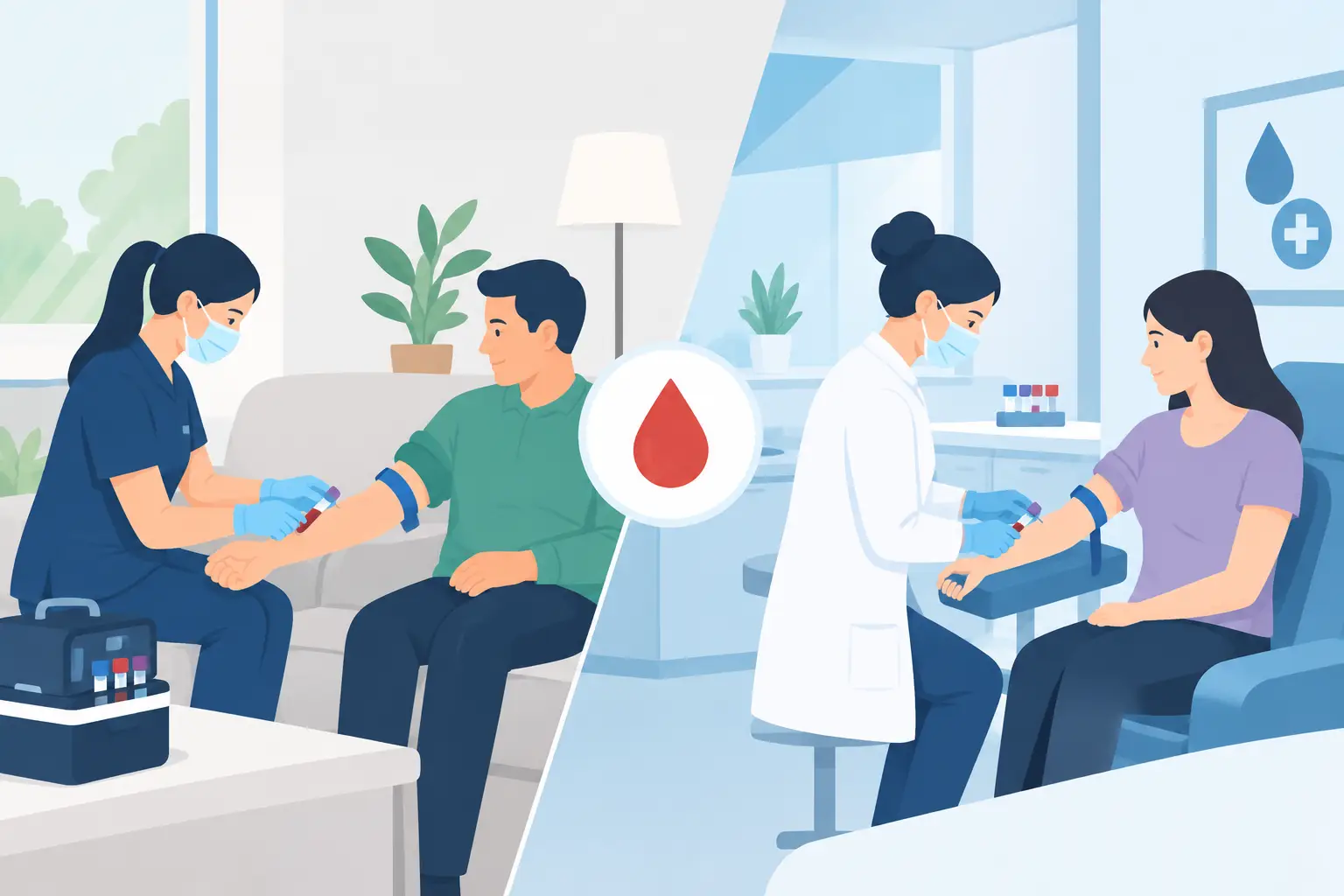
Depending on the assessment, the physician may prescribe treatment, recommend supportive care, arrange follow-up services, or advise a transfer to a clinic or hospital. When lab testing, nursing care, IV therapy, or home physiotherapy is appropriate, these services can often become part of a coordinated at-home care plan.
When a Home Doctor Visit Can Help
Doctor housecalls are particularly helpful when leaving home would be uncomfortable, difficult, or likely to delay care. Parents may request a visit for a child with fever, cough, vomiting, diarrhea, ear pain, or a rash that needs medical assessment. Busy professionals may prefer an at-home consultation for a non-emergency illness when taking time away from work and traveling across the city would make recovery harder.
They can also be valuable after surgery or hospital discharge. Patients recovering from an operation may need medication review, wound monitoring, symptom assessment, or guidance on their next stage of recovery. A physician can determine whether healing appears on track and whether additional support, such as nurse visits or rehabilitation, would be beneficial.
For seniors, home visits can reduce the physical strain and exposure associated with a clinic trip. Chronic conditions such as diabetes, high blood pressure, respiratory concerns, arthritis, and reduced mobility often require close attention, especially when new symptoms appear. Seeing the patient at home may give the doctor a clearer picture of everyday needs and potential safety concerns.
Home visits are also useful for patients who need medical guidance but are unsure which service they need. A doctor can help distinguish between an illness that can be treated conservatively, a concern that needs diagnostics, and a condition that should be escalated without delay.
When Doctor Housecalls Are Not the Right Choice
At-home healthcare is not a replacement for emergency medicine. Some symptoms require immediate hospital-level evaluation, equipment, and specialist support. If someone has chest pain, severe difficulty breathing, signs of stroke such as facial drooping or sudden weakness, uncontrolled bleeding, loss of consciousness, seizures, a serious injury, or severe allergic symptoms, seek emergency help immediately.
The same applies to a rapidly worsening condition, significant confusion, severe dehydration, or a newborn with concerning symptoms. It is always better to act quickly when a medical emergency is possible. A home doctor can provide important care in many situations, but the safest setting depends on the patient’s symptoms and stability.
Why the Home Setting Can Improve the Patient Experience
People often recover better when they feel safe, heard, and comfortable. At home, patients are not rushing through traffic, sitting in a crowded reception area, or trying to explain symptoms while managing fatigue, pain, or an anxious child. The consultation can feel more personal because the doctor has time to understand what has changed and what the family is worried about.
This matters especially for patients who need ongoing support. A senior with repeated falls, for example, may benefit from a conversation that includes caregivers and a look at their living environment. A post-treatment patient may need their pain, mobility, and medication routine considered together. Parents can ask practical questions about feeding, sleep, hydration, and warning signs without feeling hurried.
Convenience should never mean lower standards. The right provider sends qualified, licensed professionals who follow evidence-based practices, document the consultation appropriately, and explain the plan in clear language. Compassion and medical credibility need to work together.
How to Prepare for a Doctor Home Visit
A little preparation can help the consultation run smoothly and help the physician make informed decisions. Before the visit, have the patient’s identification, insurance details if applicable, medication list, previous medical reports, and recent test results available. If symptoms have changed over several days, write down when they began and what makes them better or worse.
For a child, note their temperature readings, fluid intake, appetite, activity level, and any medications already given. For an elderly patient, it is helpful to have a family member or caregiver present who can explain recent changes in behavior, mobility, sleep, appetite, or medication adherence.
Create a quiet, well-lit space where the doctor can examine the patient comfortably. Be direct about symptoms that may feel minor or embarrassing. Changes in bowel habits, confusion, falls, dizziness, pain levels, or missed doses can all be clinically relevant.
Choosing a Provider for Doctor Housecalls
The quality of a home visit depends on more than how quickly someone arrives. Look for a provider with properly licensed physicians, transparent communication, and a clear process for urgent versus routine requests. In Dubai, DHA-certified professionals are an important trust marker, along with a provider that can explain what is included in the visit and what follow-up services are available.
Response time also matters, particularly when a family needs prompt guidance. However, it should be considered alongside clinical triage. A responsible provider will ask questions before confirming a visit and will tell you when emergency care is the safer choice.
It is also useful to choose a service that can support the next step if needed. A medical concern may require home lab testing, a nurse for medication administration or wound care, physiotherapy after an injury, or a follow-up doctor review. Coordinated care avoids the frustration of starting over with a new provider each time the patient’s needs change.
Your Choice Healthcare provides doctor-on-call visits and broader home healthcare support for patients and families in Dubai. With 24/7 availability, the focus is on getting the right qualified professional to the patient while keeping care personal, clear, and responsive.
A Better Way to Handle Everyday Health Needs
The best time to arrange a home doctor visit is before a manageable concern becomes harder to handle. If symptoms are worrying but not clearly an emergency, prompt medical assessment can bring clarity, treatment, and peace of mind. For families balancing work, caregiving, recovery, and daily life, care at home can make it easier to focus on what matters most: helping the patient feel safe and supported.