A guide to elder home support should begin with one practical question: what does your loved one need to stay safe, comfortable, and as independent as possible at home? For many Dubai families, the answer is not simply having someone present. It is a thoughtful care plan that balances companionship, daily assistance, medical oversight, and timely support when health needs change.
Home support can help an older adult remain in familiar surroundings while giving family members confidence that professional care is available. The right level of care depends on the person’s health, mobility, routines, and family support system.
Start With the Person, Not the Service
Elder home support works best when care is built around the individual’s daily life. A parent who is physically well but forgetful may need medication reminders and regular check-ins. Someone recovering from a fall may need nursing support, physiotherapy, and help moving safely around the home. An older adult living with diabetes, heart disease, dementia, or limited mobility may need more frequent clinical monitoring.
Before arranging care, look closely at what is becoming difficult. Pay attention to changes in walking, appetite, sleep, hygiene, memory, mood, and medication routines. These changes are not always dramatic. A missed meal, an unopened prescription bottle, or a reluctance to use the stairs can signal that extra support would make home life safer.
It also helps to ask your loved one what matters most to them. Some people value privacy and want only short scheduled visits. Others feel more secure with regular assistance and companionship. Respecting those preferences helps care feel supportive rather than intrusive.
Know the Different Levels of Elder Home Support
Not every family needs the same kind of help. Understanding the available options makes it easier to choose care that is appropriate now and flexible enough to change later.
Daily living and personal support
Non-clinical assistance can make a meaningful difference for seniors who need help with everyday routines. This may include support with bathing, dressing, meals, mobility, hydration, light movement, and companionship. It is especially valuable when family members work long hours, live in another area, or need help sharing caregiving responsibilities.
Daily support should preserve independence wherever possible. If an older adult can safely complete part of a task, a caregiver can encourage that ability instead of taking over. This approach protects confidence and supports dignity.
Nursing care at home
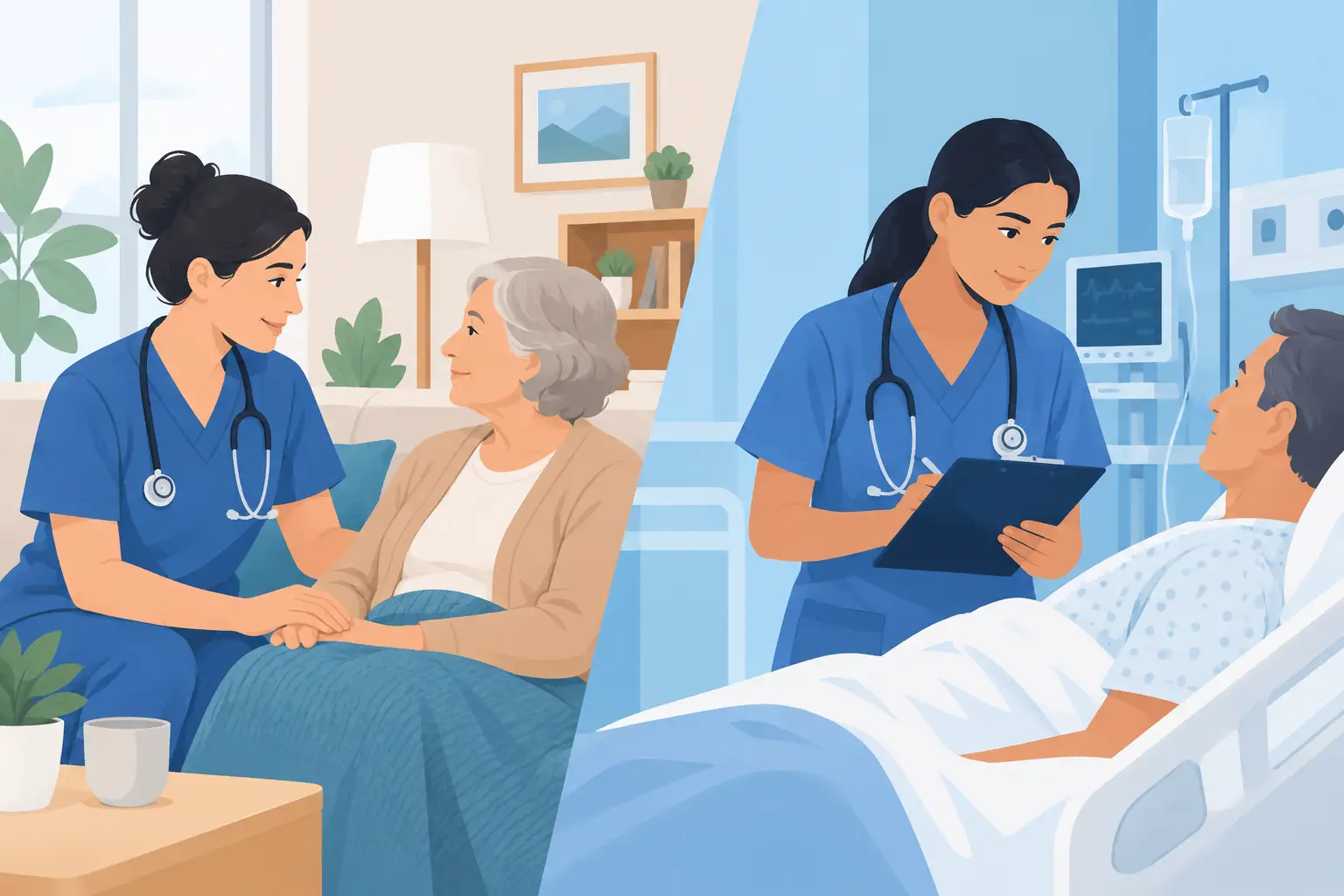
Home nursing is appropriate when a senior needs skilled clinical support. A qualified nurse may assist with medication administration, injections, wound care, catheter care, vital-sign monitoring, post-hospital recovery, and ongoing management plans set by a physician.
For families, nursing care can reduce the stress of repeated clinic visits while ensuring that changes in a patient’s condition are recognized promptly. It is not a substitute for emergency medical care, however. Sudden chest pain, severe breathing difficulty, signs of stroke, serious falls, or loss of consciousness require emergency services immediately.
Doctor visits at home
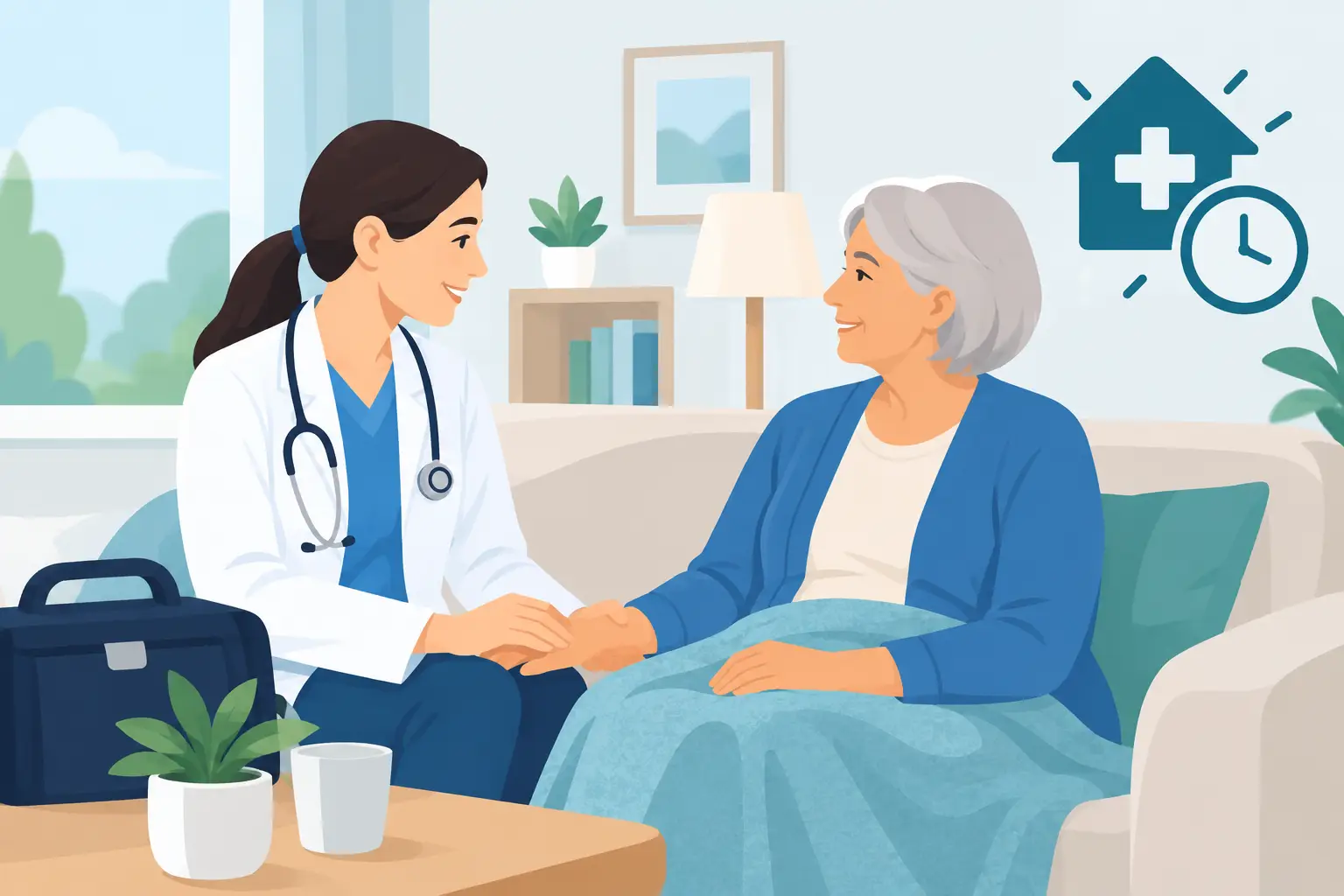
A doctor on call can be helpful when an elderly person is unwell, has a new concern, or cannot comfortably travel to a clinic. In-home medical assessment may be particularly useful after discharge from the hospital, during an infection, or when medication side effects are suspected.
A home visit also gives the physician useful context. They can see the patient’s mobility, home environment, available support, and any practical barriers to following a treatment plan.
Physiotherapy and rehabilitation
Reduced strength, poor balance, joint pain, and fear of falling can quickly limit an older adult’s independence. Home physiotherapy brings rehabilitation into the environment where daily movement actually happens. A therapist can work on safe transfers, walking, balance, range of motion, and exercises suited to the person’s health and goals.
This is often a better fit than a generic exercise plan. Recovery after surgery, stroke, fracture, or hospitalization needs individual assessment. Pushing too hard can cause pain or injury, while too little movement can slow recovery.
Speech and swallowing support
Speech therapy may be recommended after a stroke, with neurological conditions, or when communication and swallowing become difficult. These issues can affect safety, nutrition, and social connection. A qualified speech therapist can assess concerns and create practical exercises and strategies for the home.
Build a Care Plan That Everyone Understands
A care plan should be clear enough for family members and care professionals to follow without confusion. It does not need to be complicated, but it should record medical conditions, allergies, medications, physician instructions, mobility needs, emergency contacts, and preferred routines.
Include details that affect comfort as well as health. What time does your loved one prefer breakfast? Do they need glasses or hearing aids before a conversation? Which foods do they avoid? Who should be contacted first if there is a concern? These details help caregivers provide personalized care rather than a one-size-fits-all routine.
Review the plan regularly. A senior’s needs can change after a hospitalization, illness, fall, medication adjustment, or decline in mobility. A plan that worked three months ago may need more clinical support today.
Make the Home Safer Before a Fall Happens
Home support is more effective when the environment reduces avoidable risks. Falls are a major concern for older adults, but many risks can be addressed with simple changes. Clear pathways of loose rugs, electrical cords, low furniture, and clutter. Make sure frequently used items are within easy reach, especially in the kitchen and bathroom.
Good lighting matters, particularly between the bedroom and bathroom. Install grab bars where needed, use non-slip mats, and ensure shoes fit securely. If stairs are difficult, discuss safe alternatives with a healthcare professional rather than waiting for a near-fall or injury.
Medication safety also deserves attention. Keep an up-to-date medication list and use a consistent system for reminders. Do not assume that over-the-counter medicines, supplements, or herbal products are harmless. They can interact with prescriptions or worsen certain health conditions.
Choose a Provider With Clinical Standards
When medical care is involved, families should look beyond availability alone. Ask whether clinicians are properly licensed, how care plans are documented, who supervises nurses and therapists, and how concerns are escalated. Consistent communication is essential, particularly when several professionals are involved in a senior’s care.
In Dubai, choose a provider that uses DHA-certified healthcare professionals and follows evidence-based clinical practices. You should also understand the booking process, expected visit timing, service scope, and what happens if the patient’s condition changes outside a scheduled visit.
Your Choice Healthcare provides personalized home healthcare services in Dubai, including doctor visits, nursing care, physiotherapy, speech therapy, and diagnostic support. For families managing ongoing elder care, coordinated services can make it easier to respond to both routine needs and unexpected concerns without unnecessary travel.
Keep Family Communication Calm and Consistent
Caregiving can become stressful when family members receive different updates or make decisions separately. Choose one primary contact person, then agree on how information will be shared. A simple shared record of appointments, medication changes, and care observations can prevent misunderstandings.
It is also wise to discuss preferences early. Talk about who can make medical decisions if your loved one is temporarily unable to do so, which hospital they prefer, and who should be called in an emergency. These conversations can feel difficult, but they reduce uncertainty when quick decisions are required.
At the same time, avoid making every interaction about health. Older adults still need conversation, familiar routines, meaningful activities, and a sense of control. Professional support should create more room for those things, not less.
The best elder home support does not remove independence. It protects it with the right people, the right clinical guidance, and care that adapts as needs evolve.