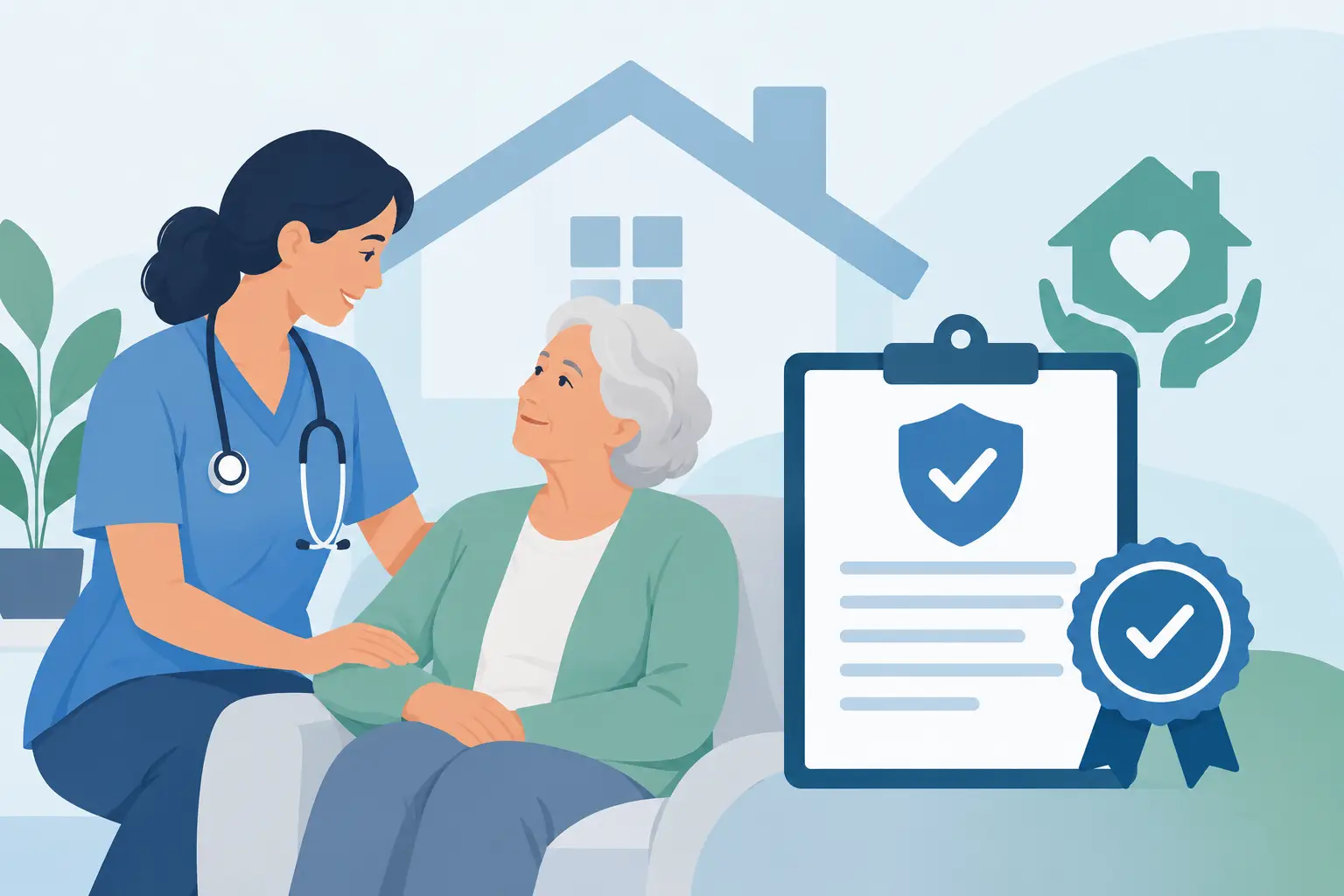
A feverish child at midnight, a parent recovering after surgery, or an elderly relative who cannot comfortably travel to a clinic can turn a routine health concern into a stressful day. Medical services offered at home give Dubai families a practical alternative: qualified clinical support delivered where the patient is most comfortable.
Home healthcare is not a replacement for every hospital or clinic visit. It is a way to receive appropriate medical attention, monitoring, treatment, and rehabilitation without unnecessary travel, long waiting rooms, or disruption to daily family life. For urgent but non-emergency concerns and planned ongoing care, it can make a meaningful difference.
What Medical Services Offered at Home Can Include
The right service depends on the patient’s symptoms, diagnosis, mobility, and care plan. A comprehensive home healthcare provider can coordinate care across several needs, rather than asking a family to manage separate appointments at different locations.
Doctor visits at home
A doctor on call can assess common acute concerns such as fever, flu symptoms, stomach discomfort, dehydration, minor infections, fatigue, or worsening chronic symptoms. During an in-home consultation, the physician reviews the patient’s condition, conducts an appropriate examination, discusses next steps, and may recommend treatment, testing, medication, or referral when needed.
This option is especially helpful for parents with unwell children, adults who are too sick to travel, and people who need timely clinical guidance outside typical clinic hours. It also gives caregivers a chance to ask questions in the setting where they are managing the patient’s daily needs.
Nursing care for treatment and monitoring
A nurse at home can provide clinical support after a procedure, during recovery, or as part of long-term care. Services may include wound dressing, injections, medication administration, vital-sign monitoring, catheter care, IV support, and post-hospital follow-up.
For many families, nursing care is less about a single appointment and more about consistency. A professionally supervised plan can help patients follow discharge instructions correctly, identify changes early, and avoid the strain of repeated travel while healing.
IV therapy at home
IV therapy may be advised when a patient needs fluids, vitamins, or prescribed medication administered intravenously under clinical supervision. It is commonly requested for dehydration, recovery support, or when oral intake is difficult, but it should always start with a proper clinical assessment.
Convenience should never outweigh suitability. Not every tired day, headache, or bout of nausea requires an IV drip. A qualified doctor or nurse should determine whether IV therapy is appropriate, especially for people with heart, kidney, or other chronic health conditions.
Lab testing and mobile diagnostics
Lab testing at home allows patients to have samples collected without scheduling a separate clinic visit. This can be useful for routine health checks, doctor-requested blood work, chronic disease monitoring, pre-employment requirements, and follow-up testing.
For older adults, busy professionals, new parents, and post-treatment patients, mobile diagnostics remove one of the most inconvenient parts of healthcare: traveling simply to complete a test. Results should still be reviewed with a qualified clinician who can explain what they mean in context.
Physiotherapy and rehabilitation
Home physiotherapy supports recovery after surgery, injury, stroke, or prolonged illness. A therapist can assess mobility, pain, strength, balance, and functional goals within the patient’s actual living environment.
That setting matters. Practicing safe movement near a bed, navigating stairs, getting in and out of a chair, or learning how to use a walking aid at home can be more relevant than doing the same exercises in a clinic. Progress often depends on a personalized program and regular follow-through, not one isolated session.
Speech therapy and specialized support
Speech therapy at home can benefit children with communication needs and adults recovering from neurological conditions. Home visits can make sessions more comfortable and can help therapists involve family members in exercises and communication strategies.
Some patients also need broader support through elderly care, newborn care, or caregiver guidance. These services combine practical assistance with clinical awareness, helping families manage daily routines while keeping the patient’s safety and dignity at the center.
When Home Care Is the Right Choice
Home medical care works best when the patient is stable enough to be treated outside a hospital but still needs professional attention. It is often a strong fit for routine acute illness, post-surgery care, rehabilitation, chronic condition monitoring, mobility limitations, and preventive testing.
It can also be valuable for families trying to reduce exposure to crowded waiting rooms, particularly when caring for newborns, older adults, or immunocompromised relatives. The comfort of home may help a patient feel calmer, and it allows clinicians to see practical factors that affect recovery, from medication organization to fall risks.
Speed matters in these situations. A responsive provider that can arrange a doctor or nurse promptly helps families make informed decisions sooner, rather than delaying care because getting to a clinic feels overwhelming. Your Choice Healthcare provides 24/7 home healthcare support in Dubai, with DHA-certified professionals and rapid-response service for appropriate home care needs.
When to Choose Emergency Care Instead
Home healthcare has clear limits. If someone has chest pain, severe breathing difficulty, signs of a stroke, severe bleeding, loss of consciousness, a serious injury, seizures, or sudden confusion, call emergency services immediately. These symptoms may require hospital equipment, imaging, specialist intervention, or intensive monitoring that cannot be safely provided at home.
The same applies when a patient’s condition is rapidly worsening or a caregiver feels something is seriously wrong. A home visit should not delay emergency evaluation. Trusted healthcare means knowing when doorstep care is appropriate and when a hospital is the safer choice.
How to Arrange Safe Care at Home
The booking process should be simple, but the clinical details matter. When requesting a visit, share the patient’s age, symptoms, relevant medical history, current medications, allergies, and whether the concern is new or getting worse. This helps the provider send the right clinician and prepare for the visit.
Before treatment begins, ask who will attend, what qualifications they hold, what the visit includes, and what follow-up may be needed. In Dubai, families should look for licensed, DHA-certified healthcare professionals and a provider that follows evidence-based clinical practices.
It is also reasonable to ask about timing, costs, insurance documentation, and whether laboratory results, prescriptions, referrals, or care notes will be provided after the appointment. Clear communication protects the patient and makes ongoing care easier to coordinate.
Making Home Healthcare Work for the Whole Family
A successful home visit begins before the clinician arrives. Keep a current medication list available, prepare prior test results or discharge papers, and make space for the patient to be assessed comfortably. If a family member is involved in daily care, having them present can help ensure instructions are understood and followed.
For ongoing nursing or therapy, agree on realistic goals. A patient recovering from surgery may want to walk independently again, while an elderly parent may need a safer medication routine and regular monitoring. Small, measurable goals make progress easier to recognize and help the care team adjust the plan when needed.
Home care is most effective when it feels coordinated rather than fragmented. A doctor’s assessment, nursing follow-up, lab testing, and physiotherapy can work together to support recovery without forcing the patient to navigate multiple facilities.
The best next step is not always the most complicated one. When a health concern can be assessed safely at home, timely professional care can bring reassurance, practical guidance, and a clearer path forward for the whole family.