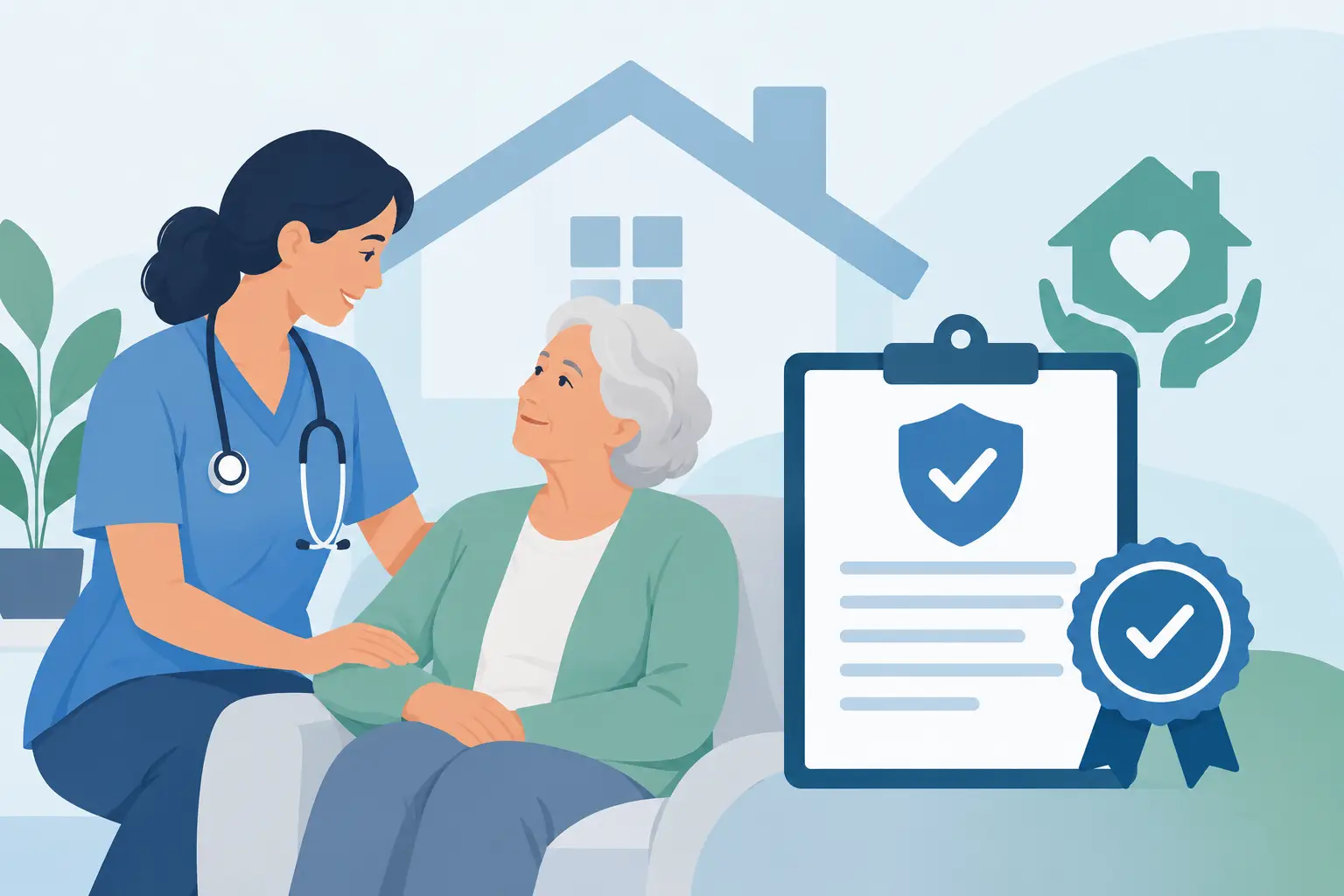
A hospital discharge can feel like a relief until the practical questions begin. Who will monitor medications, support mobility, care for a wound, or notice when recovery is not progressing as expected? Private nursing brings qualified clinical care into the home, giving patients and families professional support without making comfort an afterthought.
For families in Dubai, this can mean a calmer recovery after surgery, reliable help for an elderly parent, or skilled care for a loved one managing a chronic health condition. The right plan is not simply about having a nurse present. It is about receiving the appropriate level of care, at the right time, from a licensed professional who understands the patient’s needs.
What private nursing means at home
Private nursing is personalized, one-on-one nursing support delivered in a patient’s home. Depending on the care plan and clinical requirements, it may be arranged for a few hours, overnight, around the clock, or as scheduled visits over days or weeks.
A private duty nurse may assist with clinical tasks such as medication administration, vital sign monitoring, wound care, injections, catheter care, feeding support, diabetes monitoring, and post-operative observation. Nursing care can also include practical support that protects a patient’s safety, such as mobility assistance, fall-prevention measures, hygiene support, and clear updates for family members.
The scope of care should always match the patient’s condition and the nurse’s professional license and clinical assessment. Home nursing is highly valuable for many needs, but it is not a replacement for emergency treatment. Chest pain, severe breathing difficulty, sudden weakness on one side of the body, uncontrolled bleeding, loss of consciousness, or other serious symptoms require immediate emergency medical attention.
When private nursing can make a real difference
Private nursing is often requested after hospitalization, when a patient is medically stable but still needs more support than family members can safely provide. Recovery can be physically demanding, particularly after orthopedic surgery, abdominal procedures, childbirth complications, or a serious illness. A nurse can help follow the discharge plan while watching for concerns that should be reported to a physician.
Elderly care is another common reason families seek a private nurse. Aging relatives may need assistance with medications, blood pressure or blood sugar checks, personal care, mobility, and maintaining a structured daily routine. For adult children balancing work, travel, and family responsibilities, professional nursing support can reduce uncertainty while preserving the dignity of the person receiving care.
Private nursing may also support patients with long-term conditions. People managing diabetes, neurological conditions, limited mobility, respiratory needs, or complex medication schedules can benefit from consistent observation and skilled assistance. The goal is not to take over the household. It is to make daily care safer, more organized, and less stressful for everyone involved.
For new parents, nursing support can provide reassurance during the demanding first days and weeks at home. Newborn and maternal needs differ from post-surgical or elderly care, so the nurse’s experience should reflect the family’s specific situation.
Choosing the right level of private nursing
Not every patient requires 24-hour care. In fact, selecting more support than necessary can add cost without improving outcomes, while choosing too little can leave a family struggling at the most difficult times. A good care plan starts with an honest assessment of what the patient needs during the day, at night, and between clinical visits.
Hourly and scheduled nursing visits
Short or scheduled visits may suit patients who need specific clinical tasks, such as injections, dressing changes, medication support, or vital sign checks. This option can work well when the patient is mostly independent and has family support available between visits.
Overnight nursing support
Night care may be appropriate for patients at risk of falls, those with disrupted sleep due to discomfort or illness, and families who need rest after several demanding days of caregiving. It can also provide valuable observation during the early stages of recovery.
Live-in or 24-hour care
Continuous support may be needed for patients with substantial mobility limitations, advanced age-related needs, complex chronic conditions, or a high level of dependence. This arrangement requires careful scheduling and clear communication about duties, breaks, privacy, household routines, and escalation procedures.
The best option depends on the patient’s medical needs, level of independence, home environment, and family availability. A reputable provider should ask detailed questions before recommending a schedule instead of treating every request as the same service.
What families should expect from a professional nurse
Clinical skill matters, but good private nursing also depends on communication and consistency. Families should expect a DHA-licensed nurse who arrives prepared, follows hygiene and infection-control practices, respects patient privacy, and documents relevant care observations.
A professional nurse should explain what they are doing in clear language and encourage questions. This is especially helpful when several family members are involved in decisions or when the patient feels anxious about receiving care at home. The nurse should also know when a change in symptoms needs physician input or a higher level of medical care.
Before care begins, share complete and accurate information. This includes discharge instructions, current medications, allergies, diagnoses, recent procedures, mobility limitations, and contact details for the treating physician. If the patient has medical equipment at home, such as oxygen, a feeding pump, or mobility aids, discuss this in advance so the care team can plan appropriately.
It also helps to agree on practical details early. Decide who will receive updates, where medical supplies will be kept, which areas of the home are available for care, and how the family should reach the provider after hours. Clear expectations create a more comfortable experience for both the patient and the care team.
The value of care in a familiar setting
Home can support recovery in ways a clinical setting cannot always provide. Patients are surrounded by familiar routines, their own belongings, and the people they trust. For many older adults and post-treatment patients, this sense of familiarity can make eating, sleeping, and participating in rehabilitation easier.
However, home care works best when the environment is safe. Clear walkways, adequate lighting, accessible bathrooms, stable chairs, and properly stored medications all make a difference. A private nurse can identify practical risks and help families make small adjustments that support safer daily living.
Convenience is another benefit, particularly in a city where clinic visits may mean traffic, parking, waiting rooms, and arranging transport for someone who is unwell. Yet convenience should never be the only consideration. The clinical match, licensing, responsiveness, and quality of oversight matter just as much.
How to arrange private nursing with confidence
Start by describing the patient’s current condition and the support required. Be specific about recent hospital treatment, physician instructions, mobility, equipment, and the hours when help is most needed. If care is urgent, ask about availability and expected response time. If it is planned, ask how the provider assesses needs and whether the schedule can be adjusted as recovery progresses.
Families should also confirm the nurse’s qualifications and understand what services are included in the care plan. Ask how clinical concerns are escalated, how care notes are shared, and whether additional services such as doctor visits, physiotherapy, lab testing, or IV therapy can be coordinated if medically appropriate.
Your Choice Healthcare provides at-home nursing and broader medical support in Dubai, helping families arrange personalized care with licensed professionals and a patient-first approach. The focus should always remain on the individual in the home: their comfort, their safety, and their path toward greater independence.
The most reassuring care is not care that makes a family feel dependent on a service. It is care that gives patients steady support for today while helping everyone feel more prepared for tomorrow.