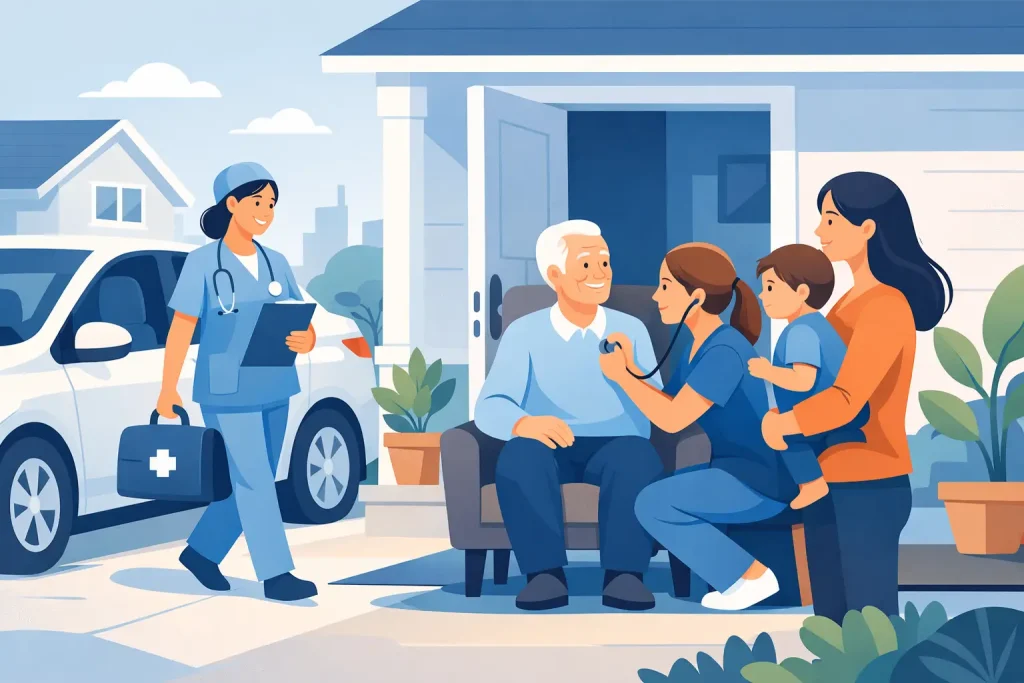
A child develops a high fever after clinic hours. An elderly parent needs help after being discharged from the hospital. A busy professional needs a blood test but cannot spare half a day in a waiting room. These are the moments when home healthcare services at your doorstep can make care feel more practical, personal, and reassuring.
For many families in Dubai, receiving medical support at home is not about replacing every clinic or hospital visit. It is about getting the right level of care in the right setting, without adding travel, waiting times, and unnecessary stress to an already difficult day. From an urgent doctor visit to ongoing physiotherapy, professional home care can help patients receive attention where they are most comfortable.
Why Home Healthcare Services at Your Doorstep Matter
Healthcare needs do not always arrive at convenient times. A patient recovering from surgery may find a car ride painful. A parent with a newborn may need clinical guidance without exposing the baby to a crowded waiting area. An older adult with limited mobility may need regular monitoring that is difficult to arrange through repeated clinic visits.
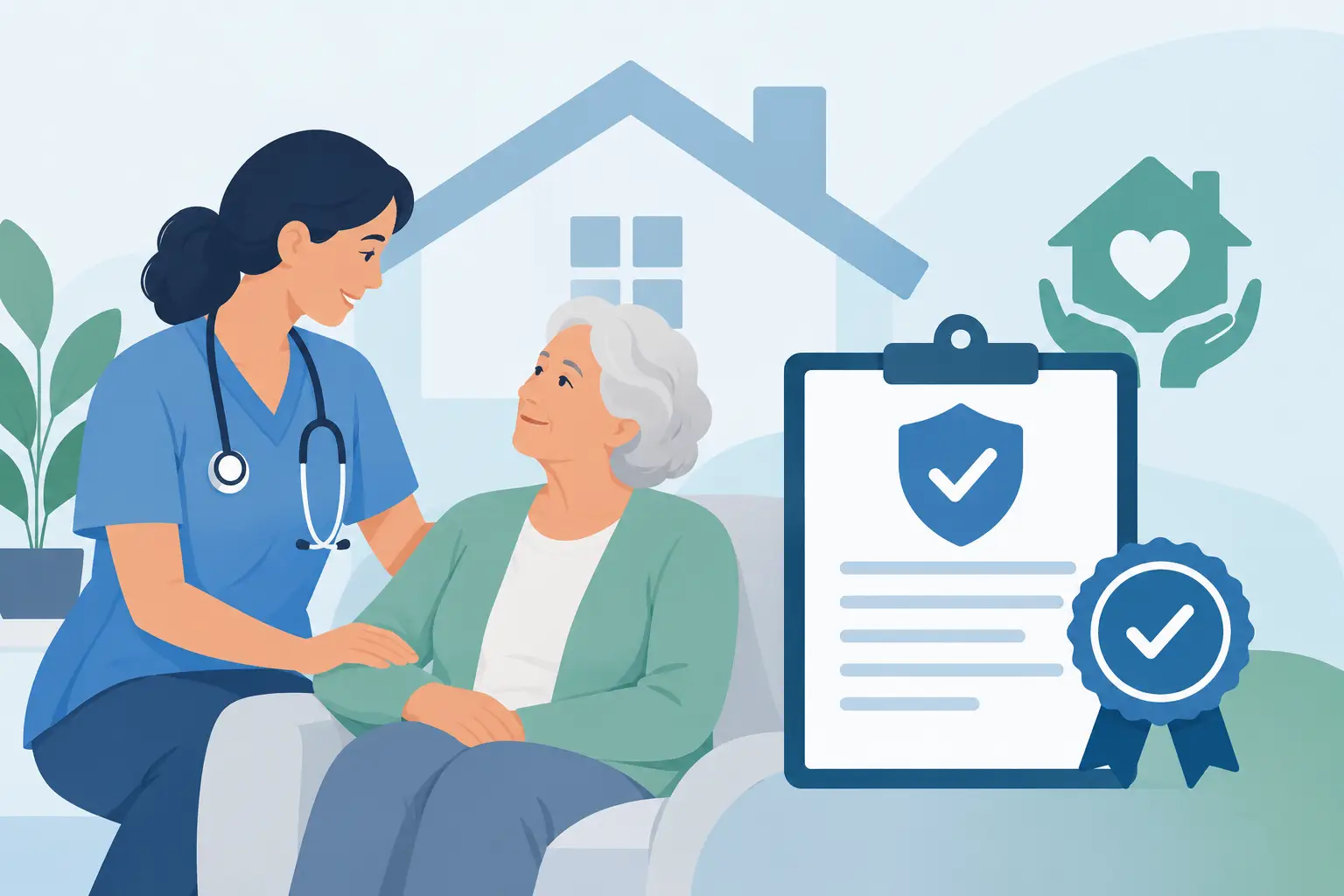
At-home care addresses these practical barriers while preserving clinical standards. A qualified clinician can assess symptoms, review medications, monitor vital signs, provide treatment, and explain the next steps in a familiar environment. For families, this also creates a clearer view of the patient’s day-to-day needs. The care team can see mobility challenges, recovery conditions, and the level of support available at home.
Convenience matters, but it should never be the only reason to choose a provider. The real value comes from receiving appropriate care from licensed, clinically supervised professionals who know when home treatment is suitable and when a patient needs a clinic, emergency department, or specialist.
Care That Can Be Delivered at Home
The scope of home healthcare is broader than many people expect. Depending on the patient’s condition and the provider’s clinical assessment, services can support urgent concerns, recovery plans, preventive testing, and long-term care needs.
Doctor Visits for Urgent and Routine Concerns
A doctor on call can be helpful when symptoms need timely assessment but do not appear to require emergency hospital treatment. Common reasons include fever, flu-like symptoms, stomach discomfort, skin concerns, minor infections, dehydration, medication questions, and follow-up after a recent illness.
The doctor can evaluate the patient, take a medical history, check vital signs, recommend treatment, and determine whether further tests or referral are needed. For parents, this can be particularly valuable when a sick child is uncomfortable and travel would make the situation harder.
Home visits are not appropriate for every emergency. Chest pain, severe breathing difficulty, signs of stroke, heavy bleeding, loss of consciousness, serious injury, or a rapidly worsening condition require emergency medical services. A responsible home healthcare provider will make that distinction clearly.
Nursing Support for Recovery and Ongoing Needs
Nurse at home services are often arranged after hospitalization, surgery, or a change in a patient’s health needs. Skilled nursing may include vital-sign monitoring, wound care, injections, medication administration, catheter care, dressing changes, and support with care plans prescribed by a physician.
For families caring for an elderly relative, nursing support can bring confidence to routines that may otherwise feel overwhelming. It can also reduce the risk of missed medications or poorly managed wounds. The right nursing plan is not one-size-fits-all. Some patients need a single visit, while others benefit from scheduled care over several days or weeks.
Physiotherapy and Rehabilitation at Home
Recovery is often built through small, consistent movements. After orthopedic surgery, injury, stroke, or a period of reduced mobility, home physiotherapy can help patients work toward strength, balance, flexibility, and independence without the strain of traveling to appointments.
A physiotherapist can assess how the patient moves in their actual living space and tailor exercises around practical goals, such as walking safely through the home, managing stairs, getting in and out of bed, or returning to normal activities. Progress depends on the diagnosis, the patient’s commitment, and the treatment plan, but regular guided sessions can make rehabilitation more manageable.
Speech therapy may also be appropriate at home for patients who need support with communication, swallowing, or speech recovery. For many patients, practicing in a calm, familiar space encourages more consistent participation.
Lab Tests and IV Therapy Without the Clinic Visit
Mobile lab testing allows samples to be collected at home for routine health checks, physician-requested tests, and follow-up monitoring. It is a practical choice for patients with mobility challenges, parents managing young children, and professionals with limited time.
IV therapy may be used when clinically appropriate for hydration, vitamins, or physician-directed treatment. It should not be treated as a casual wellness shortcut. A qualified clinician should review the patient’s health history, current symptoms, medications, allergies, and suitability before any infusion is administered. Patients with chronic conditions, pregnancy concerns, or new symptoms may require a more thorough medical assessment first.
What Safe, Professional Home Care Looks Like
Inviting a healthcare professional into your home requires trust. Before booking, families should understand who will provide care, what the visit includes, and how the provider handles changes in a patient’s condition.
Look for DHA-certified professionals and a provider that follows evidence-based medical practices. Credentials alone are not the whole picture, but they are essential. The clinician should listen carefully, explain the care plan in clear language, document relevant information, and give practical guidance on what to watch for after the visit.
Responsiveness also matters. When someone is unwell, vague appointment windows can add anxiety. A provider that offers 24/7 availability and rapid response can be especially helpful for urgent, non-emergency needs. Still, speed should support quality, not replace it. The goal is timely care from a properly qualified professional, not simply the fastest possible arrival.
Families should also ask whether the service can coordinate follow-up needs. A doctor visit may lead to lab testing, nursing support, physiotherapy, or a referral for further treatment. Coordinated care reduces the burden of making multiple calls while a loved one is recovering.
Choosing the Right Service for Your Family
Start with the patient’s immediate need. If the concern is new symptoms, pain, fever, or a health issue that needs diagnosis, a doctor visit may be the right first step. If there is an existing prescription or recovery plan, nursing care, therapy, or laboratory testing may be more appropriate.
Be ready to share the patient’s age, symptoms, medical history, allergies, medications, recent procedures, and any instructions from a treating physician. This information helps the care team prepare properly and identify concerns that may require a higher level of care.
It is also useful to consider whether the patient needs one-time support or an ongoing plan. A single nurse visit can help with a dressing change, while post-surgery recovery may require regular monitoring and physiotherapy. Newborn care may involve guidance for parents over several visits, while elderly care may need a more sustained routine.
Your Choice Healthcare provides home-based medical and wellness support across Dubai, including doctor visits, nursing, physiotherapy, speech therapy, mobile diagnostics, IV therapy, elderly care, and newborn care. With trained professionals and an appointment process designed for urgent and planned needs, care can be arranged around the patient rather than the other way around.
A More Comfortable Way to Stay on Top of Health
The best healthcare experience is not always the one that asks the patient to travel farther or wait longer. For the right medical needs, home care brings qualified support into the place where families can rest, ask questions, and focus on recovery.
If someone in your household needs timely medical attention, rehabilitation support, or a routine test without the clinic visit, choose a provider that combines compassion with proper clinical oversight. A quick call or booking request can be the first practical step toward care that feels close, clear, and centered on the patient.