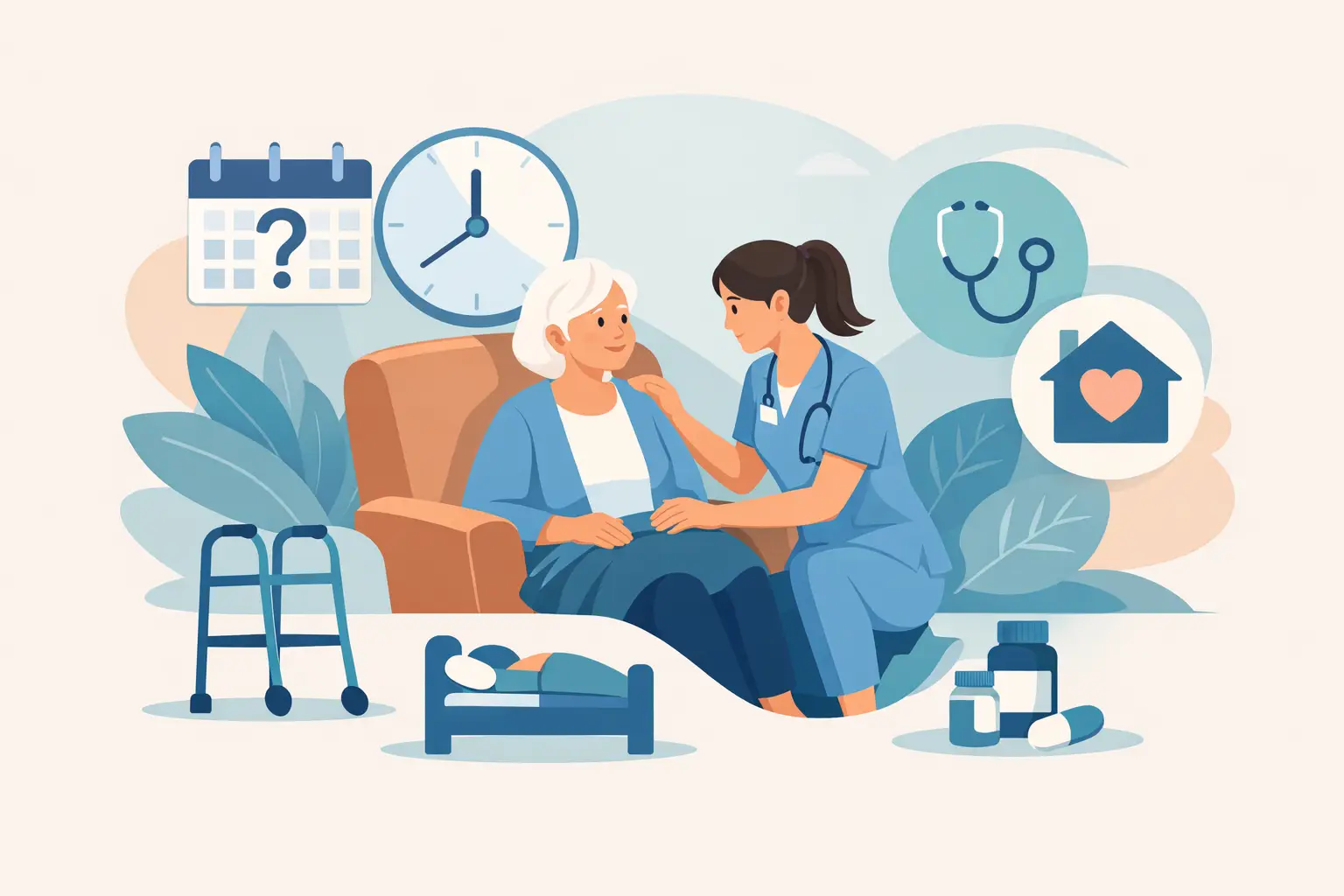
When a loved one is living with a serious illness, the hardest moments often happen between hospital appointments: a pain flare at night, new breathlessness, a missed medication dose, or a family member who is too exhausted to know what to do next. This palliative home care guide is designed to help Dubai families create a safer, calmer plan for comfort-focused care at home.
Palliative care is not about giving up treatment. It is specialized support that aims to relieve pain, symptoms, stress, and practical burdens while respecting the patient’s goals. It can be provided alongside treatment for cancer, heart failure, lung disease, dementia, kidney disease, or other serious conditions. For many families, home care allows that support to happen where the patient feels most secure.
What palliative home care can provide
Palliative home care brings clinical oversight and day-to-day support into the home. The exact care plan depends on the diagnosis, symptoms, mobility, treatment plan, and the level of help available from family members.
A home-based team may help monitor pain, nausea, constipation, fatigue, anxiety, sleep problems, shortness of breath, wounds, nutrition, hydration, and medication effects. A physician can review symptoms and treatment needs, while trained nurses can provide ongoing assessments, medication support, wound care, catheter care, injections, and education for family caregivers. Home physiotherapy may also be appropriate when gentle movement, safe transfers, breathing exercises, or mobility support can improve comfort and independence.
Just as valuable is the human side of care. A nurse who notices that a patient is becoming weaker, a clinician who explains a medication schedule clearly, or a care plan that gives family members a number to call can reduce uncertainty. The goal is not to make every difficult symptom disappear. It is to respond early, reduce avoidable distress, and keep decisions centered on the patient.
Palliative care and hospice care are not the same
These terms are often used interchangeably, but they do not always mean the same thing. Palliative care can begin at any stage of a serious illness and may continue while a patient receives disease-directed treatment, such as chemotherapy, dialysis, or other hospital-based care.
Hospice care generally refers to end-of-life care when the focus has shifted fully to comfort rather than curative treatment. The right approach depends on the patient’s medical condition, prognosis, personal wishes, and treating physician’s guidance. Families do not need to wait for a crisis or for treatment to end before asking whether palliative support would help.
Start with a care plan everyone can follow
A written plan prevents small problems from becoming stressful emergencies. It also helps family members, home nurses, physicians, and specialists work from the same information. Keep it simple enough that any caregiver can use it during a busy or emotional moment.
Your plan should clearly cover these essential areas:
- The patient’s diagnosis, allergies, current medications, and treating physicians
- The symptoms to monitor and the steps to take if they worsen
- Medication times, as-needed medicines, and who is authorized to administer them
- Emergency contacts, preferred hospital, and insurance or identification details
- The patient’s comfort priorities, mobility needs, food preferences, and communication needs
Review the plan after every hospital visit, medication change, fall, infection, or noticeable decline in appetite, energy, alertness, or breathing. A plan that was right two weeks ago may need adjustment now.
Make the medication routine safer
Medication schedules can become complicated quickly, particularly when pain medicine, anti-nausea medicine, blood pressure medication, diabetes treatment, or antibiotics are involved. Use one up-to-date medication list and record the dose, time, reason, and prescribing clinician for each medicine.
Do not stop, double, crush, or share medications without professional guidance. Some medicines require careful timing, and others can affect breathing, blood pressure, kidney function, or alertness. If the patient cannot swallow comfortably, is vomiting, becomes unusually drowsy, or has a new reaction after a dose, contact the treating clinician promptly for advice.
Prepare the home for comfort and safety
The best setup is practical, not perfect. Choose a room with easy access to a bathroom if possible, enough space for a clinician to assess the patient, and a clear path free of loose rugs, cords, and clutter. Keep frequently used items within reach: water, tissues, a phone, prescribed medicines, a call bell if needed, and personal items that help the patient feel settled.
Some patients may benefit from equipment such as a walker, wheelchair, bedside commode, pressure-relieving mattress, or hospital bed. Whether these are necessary depends on the patient’s strength, risk of falls, skin condition, and ability to transfer safely. A nurse or physiotherapist can help assess what will make the home safer without adding equipment the patient does not need.
Recognize when symptoms need urgent attention
Palliative care supports comfort, but new or severe symptoms should never be dismissed as an expected part of illness. Speak with the treating doctor or home care team promptly if pain is not controlled, vomiting continues, confusion increases, a wound changes, the patient has a fall, or there is a major change in urine output, eating, or alertness.
Call emergency services immediately for severe chest pain, major bleeding, seizures, sudden weakness on one side, loss of consciousness, severe breathing difficulty, or any symptom that appears life-threatening. In Dubai, call 998 for an ambulance. If you are unsure whether a symptom is an emergency, it is safer to seek urgent clinical guidance rather than wait and see.
Give caregivers a role they can sustain
Families often feel they must do everything themselves to prove they care. That can lead to exhaustion, resentment, and missed warning signs. Good palliative care includes support for the caregiver, not only the patient.
Share responsibilities realistically. One person may manage appointments and medical updates, another may handle meals or household tasks, and another may sit with the patient while the primary caregiver rests. A trained home nurse can provide clinical support and teach family members how to assist safely with hygiene, positioning, transfers, and symptom observations.
Ask the patient how they want help offered. Some people value privacy and independence, even when they need physical assistance. Others feel safer when a loved one stays close. Respecting those preferences preserves dignity and can make care feel less clinical.
Have honest conversations before a crisis
Comfort-focused care works best when the patient can still share what matters most. This may include wanting to stay at home whenever safely possible, avoiding specific procedures, prioritizing alertness over stronger pain medicine, or ensuring that a particular family member is involved in decisions.
These conversations can be emotional, but they are a kindness to everyone involved. Write down the patient’s wishes, share them with the treating medical team, and revisit them as health needs change. If family members disagree, bring the physician or a qualified clinician into the discussion rather than placing the burden on the patient.
Choosing home care support in Dubai
Look for a provider that can coordinate with the patient’s existing doctors, provide licensed clinical professionals, explain what each visit includes, and offer clear guidance for concerns between scheduled visits. Ask how care plans are updated, how medication questions are handled, and what escalation process is used when symptoms change.
Your Choice Healthcare can help families arrange personalized, clinically supervised home care in Dubai, including doctor visits, nursing support, physiotherapy, and ongoing care coordination where appropriate. The right level of support may be a single assessment, regular nursing visits, or a broader plan that changes as the patient’s condition changes.
A calm home environment does not mean facing serious illness alone. With a clear plan, responsive clinical guidance, and care shaped around the patient’s wishes, families can spend less time scrambling for answers and more time being present with the person they love.