A packed workweek, travel, warm Dubai weather, or recovery from an illness can leave you feeling drained. When drinking fluids and resting are not enough, wellness drips may be considered as part of a clinician-led care plan. The key word is clinician-led: an IV drip is a medical service, not a casual add-on, and the quality of assessment and monitoring matters as much as the infusion itself.
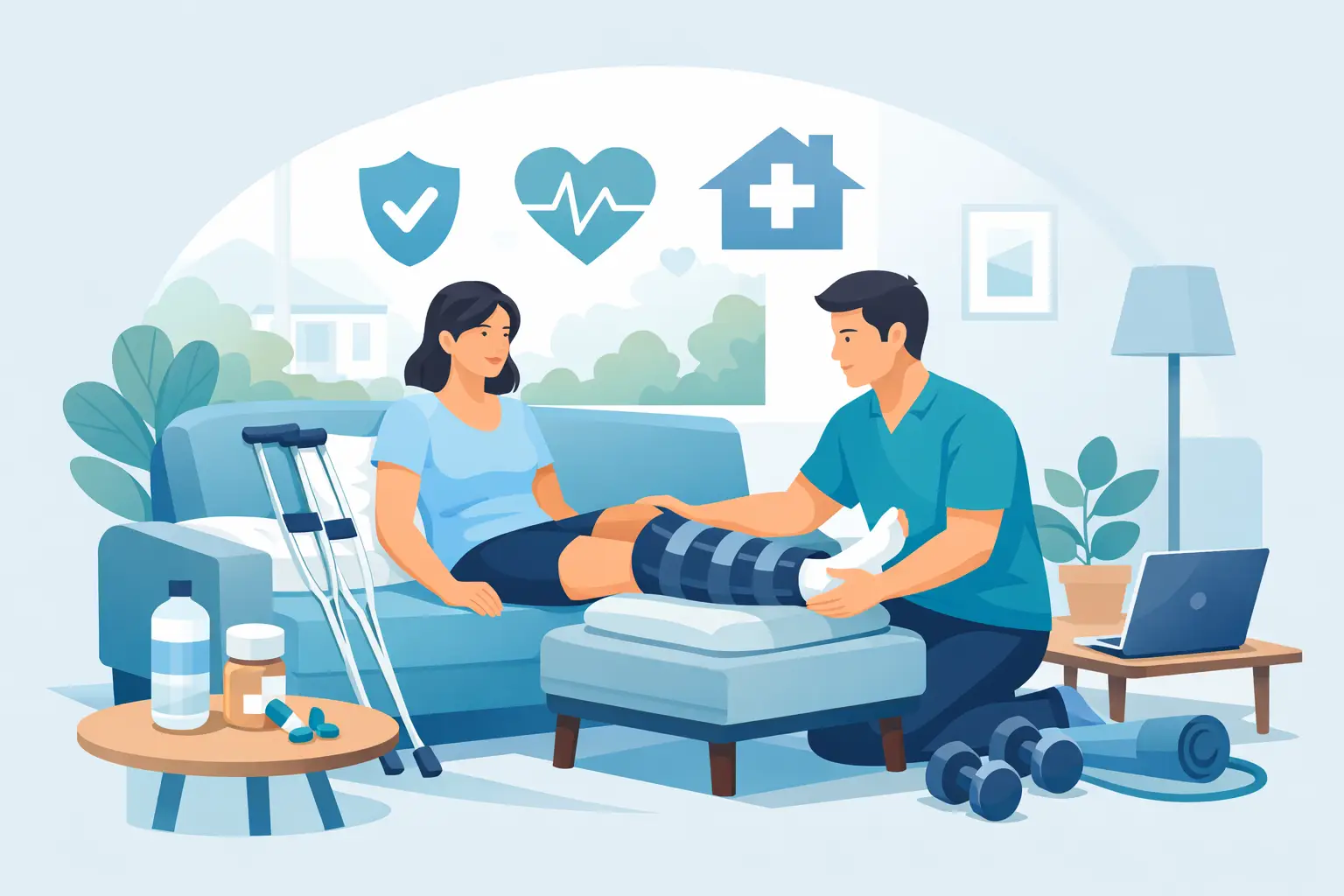
For families and busy professionals, receiving care at home can make the process more comfortable and practical. It removes the need to travel while unwell, wait in a clinic, or arrange transportation for an elderly relative. But convenience should never replace medical judgment. A qualified healthcare professional should first determine whether IV therapy is appropriate for your symptoms, health history, and current medications.
What are wellness drips?
Wellness drips are intravenous infusions that deliver fluids, electrolytes, vitamins, or other prescribed components directly into a vein. Because the body receives the infusion through an IV line, treatment should be tailored to the individual rather than chosen from a generic menu.
Some people seek IV therapy after dehydration related to heat exposure, vomiting, diarrhea, strenuous activity, or reduced fluid intake. Others may be recovering after travel, a minor illness, or a demanding period that has affected their eating and hydration habits. In certain cases, a physician may recommend specific vitamins or medications based on a clinical assessment.
An IV drip is not a substitute for a balanced diet, consistent sleep, or medical care for an ongoing condition. It also cannot diagnose the reason behind persistent fatigue, dizziness, headaches, or weakness. If symptoms are recurring, severe, or unexplained, a medical consultation is the right starting point.
When wellness drips may be appropriate
The right reason for an IV infusion depends on the person and the situation. Mild dehydration may improve with oral fluids, rest, and electrolyte drinks. However, if someone cannot keep fluids down, has significant fluid loss, or needs closer assessment, a home visit from a qualified clinician may be more appropriate.
Wellness drips may be considered when a clinician identifies a genuine need for fluid support or prescribed supplementation. This can be especially helpful for adults recovering at home, older patients who may struggle to maintain adequate hydration, or busy individuals whose symptoms need timely medical attention without an unnecessary clinic visit.
The benefit of at-home care is not simply that it is fast. It is that a licensed professional can assess you in a familiar setting, review your symptoms, and decide whether home IV therapy is suitable or whether you need to be referred for further evaluation. That distinction protects patients from treating a potentially serious condition as ordinary tiredness.
Symptoms that need medical assessment first
Do not rely on an IV drip alone for chest pain, trouble breathing, fainting, confusion, severe abdominal pain, high fever, signs of a severe allergic reaction, or symptoms of heatstroke. These may require urgent medical evaluation.
The same applies to ongoing fatigue, unexplained weight loss, repeated vomiting, persistent diarrhea, or frequent dehydration. These symptoms can have many causes, including infections, hormonal concerns, anemia, medication effects, and chronic health conditions. The safest care plan begins with identifying the cause.
What safe IV therapy at home should include
A professional home IV appointment should feel organized, calm, and medically supervised from the first conversation. Before treatment, the clinician should ask about your symptoms, allergies, existing diagnoses, medications, and any past reactions to infusions or injections. They should also check whether you have health conditions that can affect fluid balance, such as heart disease, kidney disease, or high blood pressure.
A proper assessment may include checking vital signs and discussing when your symptoms started, how much fluid you have been able to drink, and whether you have experienced vomiting, diarrhea, fever, or dizziness. Based on this information, the clinician can determine whether an infusion is suitable and what type of treatment may be indicated.
During the visit, sterile supplies and sound infection-control practices are essential. The healthcare professional should explain what is being administered, how long the infusion is expected to take, and what sensations to report. You should be monitored throughout the treatment, particularly if this is your first IV infusion or you have a complex medical history.
Afterward, you should receive clear guidance on hydration, rest, meals, medication use where relevant, and symptoms that require follow-up. This is part of responsible care, not an optional extra.
The trade-off between convenience and clinical need
Home wellness drips are convenient, but they are not right for every situation. An infusion can take time, requires a safe and clean environment, and involves a small risk of bruising, irritation at the IV site, infection, fluid overload, or an allergic reaction. Those risks are one reason licensed assessment and supervision are essential.
For a healthy person with mild thirst after a busy day, drinking water and eating a balanced meal may be all that is needed. For someone with a medical condition or symptoms of significant dehydration, a tailored IV treatment may offer a more appropriate level of support. It depends on the symptoms, the individual’s health history, and the clinician’s evaluation.
Be cautious of services that promise instant cures, dramatic detoxification, or guaranteed energy from an IV bag. Responsible healthcare providers do not make broad promises. They explain what the treatment is intended to support, what it cannot do, and when a doctor’s evaluation is needed instead.
Choosing a provider for wellness drips in Dubai
When arranging an IV drip at home, look beyond speed alone. Fast access can be valuable when you are unwell, but credentials, communication, and patient safety should guide your choice.
Choose a provider that uses qualified, licensed healthcare professionals and follows evidence-based medical practices. Ask whether a clinician will assess you before treatment, what monitoring is provided during the infusion, and how the team handles complications or a change in symptoms. You should also feel comfortable asking exactly what is in the drip and why it has been recommended.
At Your Choice Healthcare, home IV therapy is approached as clinical care delivered with comfort and convenience. Patients can receive support at home from DHA-certified professionals, with a care plan based on their needs rather than a one-size-fits-all package. For patients who need a doctor’s opinion first, an at-home physician visit can help determine the safest next step.
Preparing for an at-home IV appointment
A little preparation helps your visit run smoothly. Choose a clean, comfortable place where you can sit or recline during the infusion. Have your identification, medication list, and relevant medical information available. If you have recent test results or discharge papers from a hospital visit, keep them nearby for the clinician to review.
Before the appointment, be ready to describe your symptoms clearly. Share when they began, what makes them better or worse, what you have eaten and drunk, and whether you have had fever, vomiting, diarrhea, pain, or changes in urination. Accurate information helps the clinician make a safer decision.
After treatment, give yourself time to rest if needed. Continue following the advice you receive, especially around oral hydration and follow-up care. If you develop worsening symptoms, swelling, rash, shortness of breath, or pain around the IV site, seek medical advice promptly.
A more thoughtful way to support recovery
Wellness support works best when it is connected to the bigger picture: hydration, nutrition, rest, medical follow-up, and care that responds to your actual symptoms. An IV drip may be a useful tool when it is clinically appropriate, but the reassurance comes from knowing a qualified professional has assessed your needs and remains focused on your safety.
When you or a family member needs support at home, choose care that treats convenience as part of good healthcare, not a replacement for it.